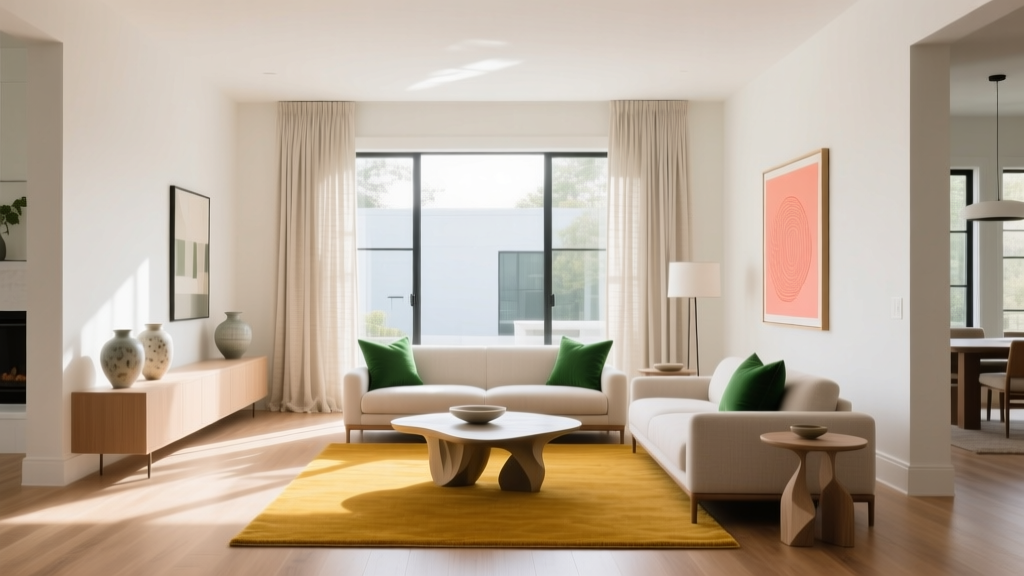
Open Shelving Ideas for Modern Kitchens
The Case for Open Shelving
Open shelving replaces upper cabinets with visible storage that makes a kitchen feel larger and more personal. Done well, it combines daily function with curated display. Done poorly, it becomes a dust-collecting mess. Here's how to get it right.
1. Floating Wood Shelves
Thick wood shelves (1.5-2 inches) on hidden brackets create a clean, modern look. Use reclaimed wood for character or new hardwoods (white oak, walnut) for a polished finish. Install at 18-24 inches above the countertop for easy reach.
2. Bracket Shelves for Industrial Charm
Iron or black steel brackets paired with wood shelves give a kitchen an industrial or farmhouse feel. Choose brackets with clean geometric lines for a modern take, or ornate cast-iron brackets for a vintage look.
3. What to Display
The golden rule: only display items you actually use daily or that bring genuine joy. Everything else belongs in closed storage.
- Everyday dishes: White or neutral plates stacked neatly
- Glassware: Matching drinking glasses or wine glasses
- Cookbooks: A small curated collection, not your entire library
- Plants: Small herbs or succulents in simple pots
- Ceramics: Handmade bowls, mugs, or vases
4. Styling Principles
Treat each shelf as a composition. Use the rule of thirds: group items in odd numbers, vary heights, and leave negative space. Don't overfill — shelves should look edited, not stuffed.
Shelf Styling Formula
- Top shelf: taller items (vases, stacked bowls)
- Middle shelf: daily-use items (plates, mugs)
- Bottom shelf: heavy or frequently used items (cookbooks, cutting boards)
5. Practical Considerations
- Dust: Open shelves collect dust. Wipe weekly or install in low-dust kitchens
- Grease: Avoid placing shelves directly above the stove
- Weight: Anchor shelves into studs, not just drywall
- Depth: 10-12 inches is ideal for most kitchen items
6. Hybrid Approach
You don't have to go all-open. Keep closed cabinets for less attractive essentials (food storage, cleaning supplies) and use open shelving for display areas. This gives you the best of both worlds — visual openness and practical concealed storage.
More Articles
 Design Safety Tips: Practical, Code-Compliant Strategies for Safer Kitchens
 Kitchen Island Design: Heart of Your Working Kitchen
 Warm Color Guides Essentials: Science, Psychology, and Precision in Kitchen Design
 The Best Bedroom Built: Precision, Performance, and Human-Centered Design
 Kitchen Organization Tips: A Place for Everything (2026)
 Open Kitchen Play Area: Designing a Space Where Cooking and Kids Coexist Safely
 Kitchen Island Seating: Layouts That Work
 Choose Care and Maintenance: A Precision Guide to Preserving Your Kitchen’s Performance, Aesthetics, and Longevity
 Cheap vs Premium Space: How Strategic Square Footage Decisions Shape Kitchen Function, Value, and Daily Life
 The Precision Place Checklist: A Kitchen Designer’s Field-Tested Protocol for Flawless Installation