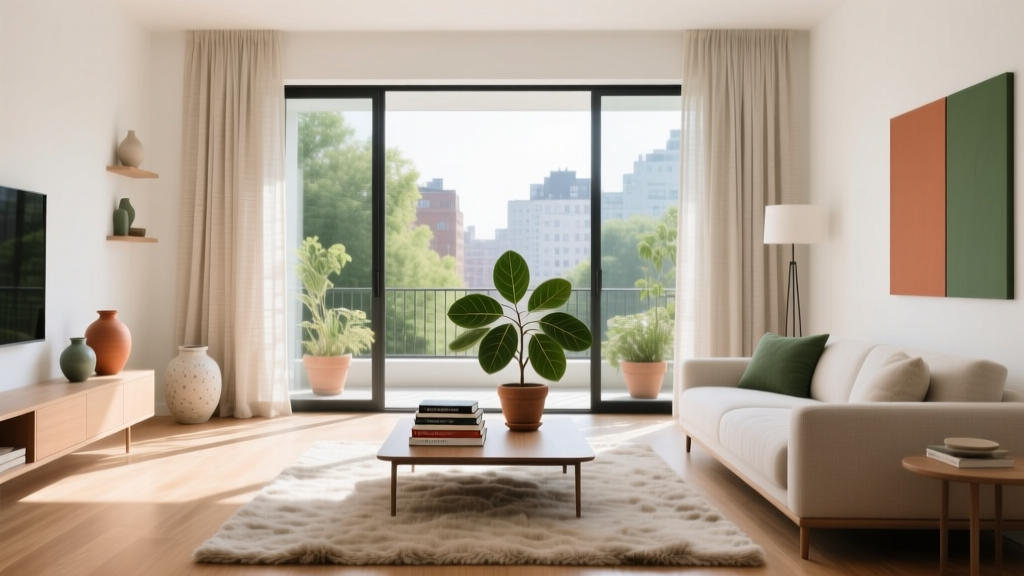
Aging-in-Place Bathroom Upgrades Worth It
Why Bathroom Upgrades Matter Most
Falls in the bathroom account for over 80% of home injuries among adults over 65. It's also the room where independence is most fiercely guarded — nobody wants help with bathing or using the toilet. Smart bathroom modifications can extend safe, independent living by a decade or more.
The best part? Modern aging-in-place design looks nothing like the institutional grab bars and plastic chairs of the past. Today's solutions are genuinely beautiful.
Priority 1: Flooring and Transitions
Before adding any fixtures, address the floor. A zero-threshold entry (no lip between the bedroom and bathroom) eliminates the most common trip point in the home.
- Slip-resistant tile: Choose tiles rated R10 or higher for wet areas. Textured porcelain in wood-look or stone-look patterns offers both safety and style.
- Eliminate bath mats: With proper slip-resistant flooring, you won't need them. They're actually trip hazards themselves.
- Heated floors: Radiant floor heating isn't just luxurious — it keeps feet warm, which improves circulation and reduces the stiffness that contributes to falls.
Priority 2: Shower Modifications
Replacing a tub/shower combo with a walk-in, zero-threshold shower is the single highest-impact aging-in-place upgrade. It eliminates the step-over that causes the majority of bathroom falls.
Essential features:
- Built-in bench (tile or stone, not plastic) for seated showering
- Handheld showerhead on a slide bar for flexible use
- Thermostatic valve to prevent scalding
- Linear drain for minimal floor slope
Priority 3: Grab Bars Done Right
Forget the institutional stainless steel bars. Today's grab bars come in matte black, brushed brass, oil-rubbed bronze, and polished nickel. They look like towel bars and design accessories — but they're rated to hold 250+ pounds.
Placement guide:
- Vertical bar at shower entry (for steadying during entry/exit)
- Horizontal bar on the long shower wall (for seated transfers)
- Diagonal bar near the toilet (for sit-to-stand support)
Priority 4: Vanity and Toilet Height
Standard toilet height (15 inches) requires significant leg strength to use. Comfort-height toilets (17-19 inches) reduce strain on knees and hips by up to 40%. Every major manufacturer now offers comfort-height models in modern designs.
For vanities, consider a seated vanity area — a section of countertop at desk height with knee space underneath. This allows grooming tasks to be done while seated, reducing fatigue and fall risk.
Lighting for Aging Eyes
Aging eyes need three times more light than younger eyes for the same visual acuity. Add layered lighting:
- Overhead ambient light (aim for 75-100 foot-candles at counter level)
- Task lighting at the mirror (sconces on both sides, not above — overhead creates shadows)
- Night lights with motion activation for nighttime bathroom trips
ROI and Home Value
Aging-in-place bathroom renovations typically return 60-70% of their cost at resale. More importantly, they can delay or prevent a move to assisted living — which averages $4,500 per month nationally. Even a $15,000 bathroom renovation pays for itself in under four months of delayed facility costs.
Final Thought: Plan Early, Benefit Longer
The best time to make aging-in-place modifications is before you need them. Incorporating these features during a routine bathroom remodel adds minimal cost but provides decades of safety and comfort. Don't wait for a fall to motivate change.
More Articles
 Bathroom Design Styleguides: Standards & Specs 2026
 Stylish Bathroom Ideas & Trends for 2026
 Smart Kitchen Organization Alternatives for 2026
Bathroom Vanity Styles: How to Pick the Right One
 Bathroom Storage Ideas: Smart Solutions for 2026
 Cheap vs Premium Small Bathroom Fixtures (2026)
 Global Living Room Design: Climate-Smart Layout Ideas
 Bedroom Layout Guide: Storage, Lighting & En-Suite
Small Bathroom Hacks That Maximize Every Inch
 Walk-In Shower Benches: 8 Stylish Designs for 2026