Bathroom Grout Cleaning: Tips That Actually Work
Why Grout Gets Dirty Fast
Grout is porous by nature, which means it absorbs water, soap residue, and bacteria over time. In high-moisture environments like bathrooms, this creates the perfect conditions for mold, mildew, and discoloration. Understanding why grout degrades helps you choose the right cleaning approach.
The Baking Soda and Vinegar Method
This classic combination remains one of the most effective DIY grout cleaners. Make a thick paste with baking soda and water, apply it directly to grout lines, then spray with white vinegar. The fizzing action helps lift embedded dirt. Let it sit for 10 minutes before scrubbing with a stiff-bristled brush.
- Mix 3 parts baking soda to 1 part water for optimal paste consistency
- Use an old toothbrush for tight corners and edges
- Rinse thoroughly with warm water to prevent residue buildup
Steam Cleaning for Deep Stains
For stubborn stains that resist DIY methods, a handheld steam cleaner delivers pressurized hot vapor that penetrates deep into grout pores. The heat kills bacteria and loosens mineral deposits without any chemical products. Most hardware stores rent these units for around $30 per day.
Hydrogen Peroxide for Mold and Mildew
When you spot black or green discoloration, hydrogen peroxide (3% solution) is a safer alternative to bleach. Apply directly to affected areas, wait 15 minutes, then scrub and rinse. Unlike bleach, hydrogen peroxide breaks down into water and oxygen, leaving no toxic residue.
Sealing Grout After Cleaning
Clean grout is only half the battle. Applying a penetrating grout sealer every 6 to 12 months creates a water-resistant barrier that prevents future staining. Choose a solvent-based sealer for shower areas and a water-based formula for bathroom floors. Allow 24 hours of drying time before exposing sealed grout to moisture.
Prevention Tips for Daily Maintenance
After each shower, run a squeegee over tile walls to remove standing water. Keep bathroom exhaust fans running for at least 20 minutes after bathing. Weekly wipe-downs with a mild pH-neutral cleaner prevent the buildup that makes deep cleaning necessary. These small habits extend the time between major grout restoration sessions.
More Articles
 Bathroom Tile Trends 2026: What Designers Pick
Small Bathroom Hacks That Maximize Every Inch
 Best Bathroom Flooring Options Ranked
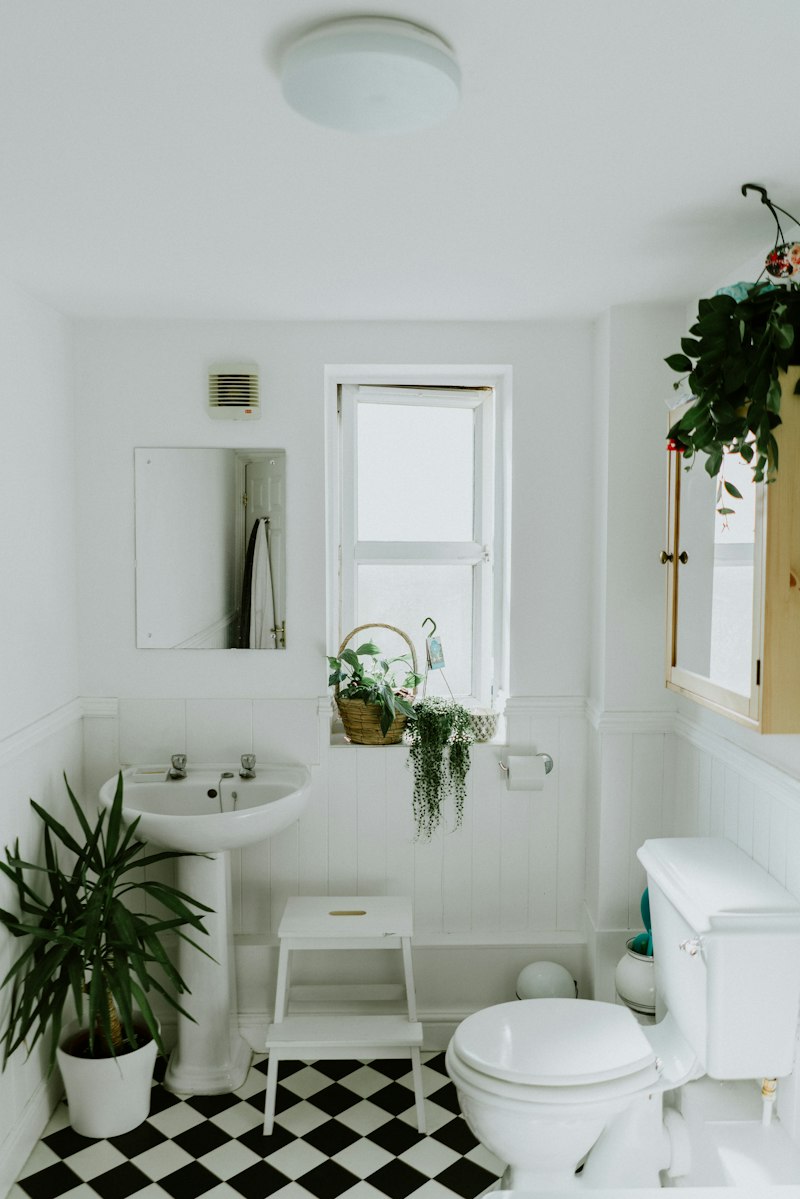 Small Bathroom Storage Hacks to Double Space in 2026
 Small Bathroom Vanity Ideas to Maximize Space
 Family Shower: Curtain Rod vs Glass Door for Kids (2026)
 The Minimalist Bathroom: 7 Swaps That Replace 20 Products
 Kids' Bathroom Design 2026: Safe & Stylish Ideas
 Walk-In Shower Benches: 8 Stylish Designs for 2026
 Science-Backed Bedroom Design Ideas for 2026