Bathroom Tile Trends 2026: What Designers Pick
What's Changing in Bathroom Tile Design
Bathroom tile in 2026 is moving away from the all-white subway tile aesthetic that dominated the last decade. Designers are embracing warmth, texture, and personality. The shift reflects a broader trend toward bathrooms as personal wellness spaces rather than purely utilitarian rooms.
Organic Textures and Natural Stone Looks
Textured tiles that mimic natural materials — travertine, limestone, honed marble — are the biggest trend this year. Unlike polished surfaces, textured tiles add depth and tactile interest. They also hide water spots and soap residue better than glossy finishes, making them practical for high-use bathrooms.
Porcelain tiles with realistic stone-look finishes offer the beauty of natural materials without the maintenance. They resist staining, don't require sealing, and cost significantly less than genuine stone. Large-format versions (24x48 inches or larger) minimize grout lines for a seamless, spa-like appearance.
Warm Terracotta and Earth Tones
Terracotta tiles are having a major moment. Their warm, sun-baked color brings Mediterranean character to bathrooms of any size. Modern terracotta-look porcelain comes in consistent sizes and colors, avoiding the irregularity of handmade clay tiles while keeping the organic warmth.
Pair terracotta floor tiles with white or cream walls for a balanced look. Or go bold with terracotta on both walls and floors, balanced by natural wood vanities and brass fixtures. The key is letting the warmth of the color do the heavy lifting — keep accessories minimal.
Earth Tone Palettes That Work
- Sand + sage green: Warm and calming, works in both modern and traditional bathrooms
- Clay + cream: Classic Mediterranean feel with plenty of brightness
- Olive + warm white: Sophisticated and grounding without feeling dark
- Rust + charcoal: Bold and dramatic for powder rooms and ensuites
Large-Format Porcelain: Less Grout, More Impact
Tiles measuring 24x48 inches, 36x36 inches, or even larger are becoming standard for bathroom floors and shower walls. Fewer grout lines mean less cleaning and a more expansive visual effect. In small bathrooms, large tiles actually make the space feel bigger because the eye isn't broken up by a busy grid pattern.
Installation requires a perfectly level subfloor and experienced tile setters. Large-format tiles are less forgiving of uneven surfaces — any lippage (height difference between adjacent tiles) is immediately visible. Budget for professional installation rather than DIY.
Patterned Floor Tiles as Statement Pieces
Geometric and encaustic-look tiles are being used as bathroom floor statements while walls remain simple. This approach grounds the room with pattern without overwhelming the senses. Think of it as a rug made of tile — it defines the space and adds character.
Popular patterns include Moroccan-inspired geometrics, Art Deco fans and arcs, and modern abstract designs. The trick is to keep wall tiles and fixtures neutral so the floor pattern becomes the focal point rather than competing with other visual elements.
Zellige and Handmade-Look Tiles
The imperfect, organic quality of zellige tiles continues to appeal. These Moroccan-origin tiles have slight color variations and irregular surfaces that catch light beautifully. Modern porcelain and ceramic versions replicate this handmade quality at a fraction of the cost and with easier installation.
Use zellige-look tiles on shower walls or as a backsplash behind the vanity. Their reflective quality amplifies light, making them ideal for bathrooms with limited natural light. Stick to a single color family — varying shades of white, cream, or sage — for a cohesive look.
Mixing Tile Sizes and Orientations
Designers are breaking the rule of using one tile size throughout. Instead, they're combining large-format floor tiles with smaller wall tiles, or running rectangular tiles vertically on one wall and horizontally on another. This creates visual interest and can manipulate the perception of space.
Vertical tile placement draws the eye upward, making ceilings feel higher. Horizontal placement makes narrow rooms feel wider. Use these tricks strategically based on your bathroom's proportions.
What to Avoid in 2026
Overly busy mosaic patterns, cool gray tones, and basic white subway tiles with white grout are feeling dated. If you love subway tiles, try them in a herringbone pattern, use colored grout, or choose a beveled edge version for more visual interest. The goal is a bathroom that feels considered and personal, not generic.
More Articles
 Bathroom Tile Trends 2026: What Designers Pick
 Bathroom Mirror Ideas That Transform Spaces
 Senior Bathroom Remodel: Grab Bar Guide
 Stylish Bathroom Ideas & Trends for 2026
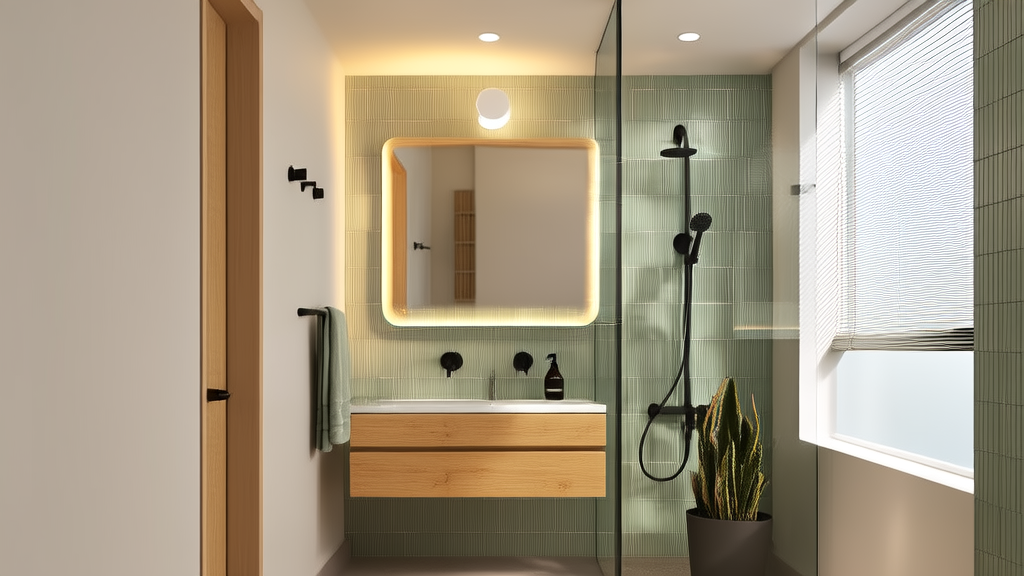 Eco-Smart Bathroom Design for Studio Apartments
Bathroom Vanity Styles: How to Pick the Right One
 Walk-In Tub vs Curbless Shower: Aging-in-Place Bath (2026)
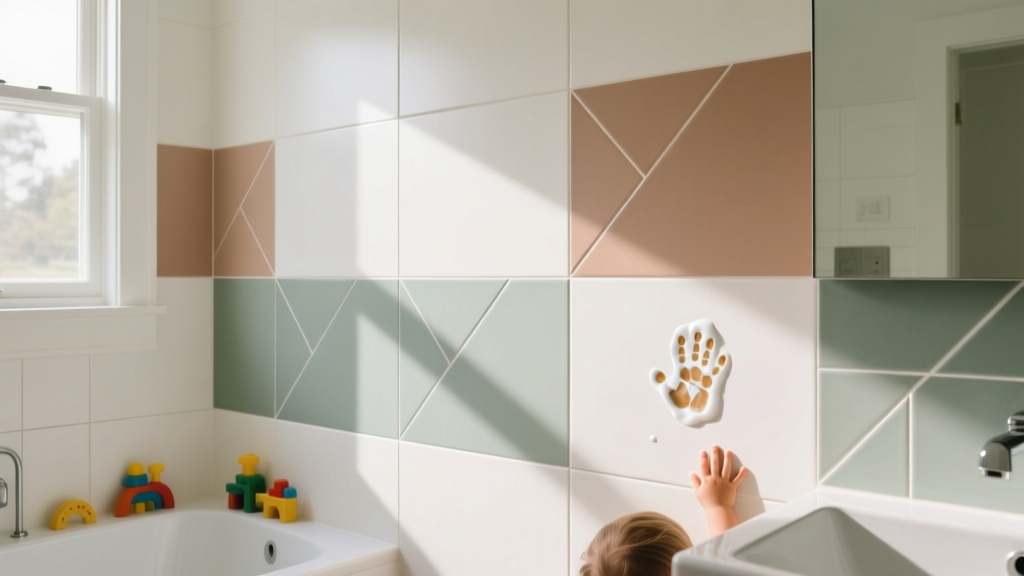 Best Family Bathroom Tiles for Kids & Water in 2026
 Bathroom Accessibility: Smart & Safe Solutions
 Small Bathroom Storage Hacks That Actually Work