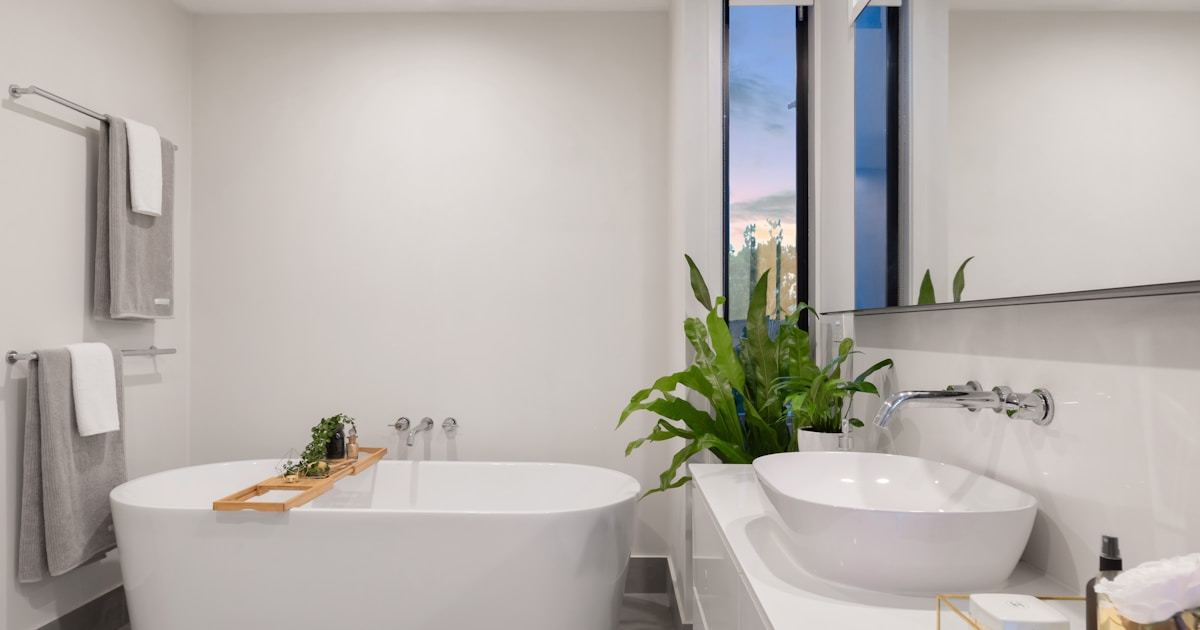
Thermostatic Shower Valves for Safe Aging-in-Place Bathrooms
The Hidden Danger in Every Aging-in-Place Bathroom
Scalding injuries in the shower are one of the most preventable — and most common — bathroom injuries among older adults. A sudden flush of a toilet can spike shower water temperature from comfortable to dangerous in under two seconds. Thermostatic shower valves solve this problem permanently.
How Thermostatic Valves Work
Unlike standard pressure-balancing valves (which react after the temperature changes), thermostatic valves use a wax element or bimetallic strip to continuously monitor the mixed water temperature. When cold water pressure drops, the valve instantly reduces hot water flow to maintain the set temperature. The response time is under one second.
Temperature Limiting
Most thermostatic valves include a maximum temperature stop that physically prevents the handle from turning past a set point. Setting this to 120F (49C) eliminates scald risk.
Choosing the Right Valve
Flow Rate Considerations
Choose a valve rated for at least 2.5 GPM to avoid restricted flow. If you plan to add body jets, look for valves rated at 5+ GPM.
Installation Requirements
Thermostatic valves require access from behind the wall for maintenance. Factor $200-$500 into your budget for an access panel.
Design Options That Look Residential
Modern thermostatic valves come in finishes that match standard bathroom hardware: brushed nickel, matte black, chrome, and oil-rubbed bronze.
Recommended Models by Budget
Budget ($150-$300): Grohe Concetto. Mid-range ($300-$600): Kohler Rite-Temp with thermostatic trim. Premium ($600-$1,200): Hansgrohe Axor with digital temperature display.
Installation Tips
Hire a licensed plumber. Expect 3-4 hours of labor plus the valve cost.
More Articles
 Bathroom Lighting vs Styling: Function First in 2026
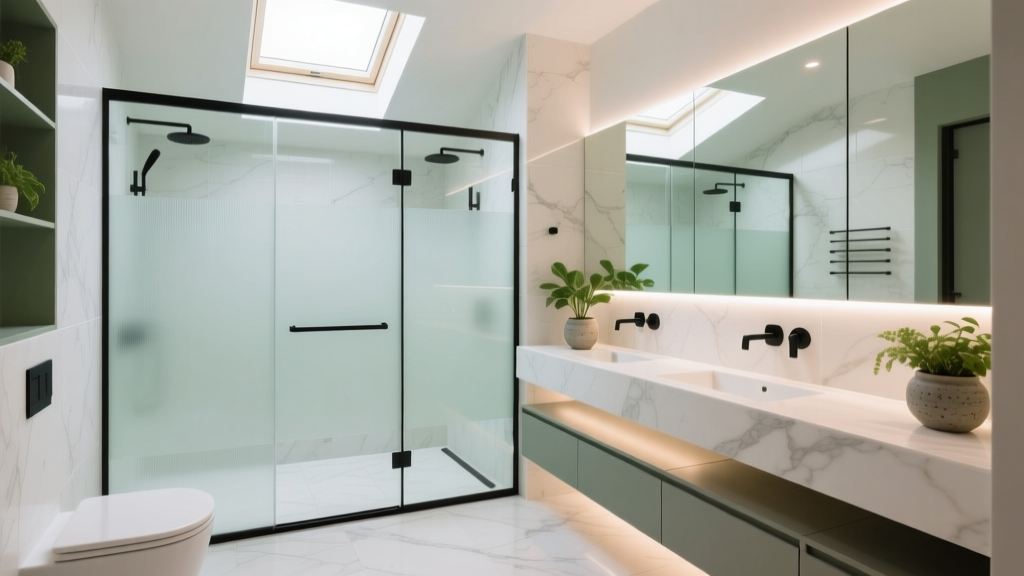 Small Bathroom Shower Ideas for 2026
Small Bathroom Storage: Smart Solutions for 2026
 Family Shower: Curtain Rod vs Glass Door for Kids (2026)
Bathroom Grout Cleaning: Tips That Actually Work
 Small Bathroom Layout Ideas That Maximize Space
 Global Living Room Design: Climate-Smart Layout Ideas
Bathroom Lighting Ideas: Layered Light for Spa Vibes
 Eco-Friendly Bathroom Upgrades That Save Water
 Toddler-Proof Bathroom Upgrades for 2026