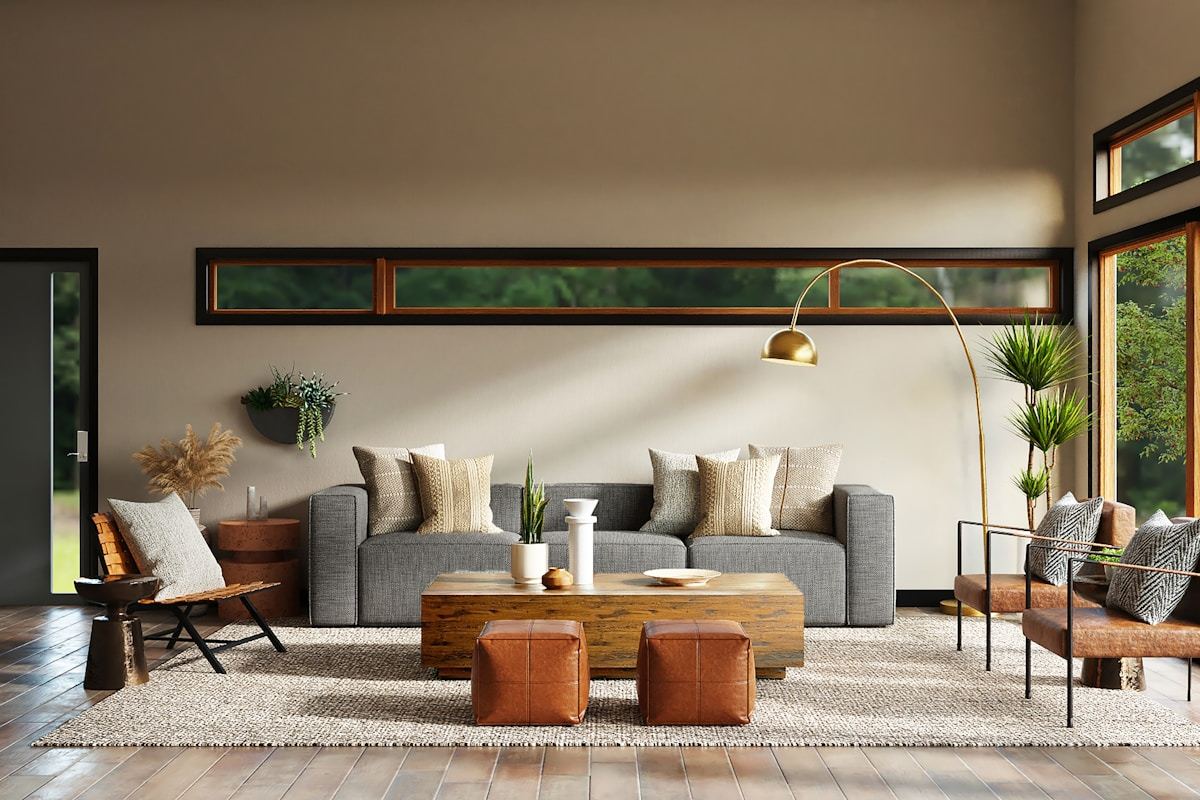
Bedroom Closet Organization: Chaos to Curated (2026)
Bedroom Closet Organization: From Chaos to Curated
 Olivia Hart

Most people open their closet every morning to a scene of controlled chaos. Clothes hang at different heights, some folded on shelves in piles too tall to retrieve anything from the bottom. Shoes live wherever they landed. Accessories exist in a state of permanent search-and-rescue. This is not because people do not care about organization. It is because most closets were never designed as systems -- they are empty boxes that we fill without a plan.
Transforming a bedroom closet from chaos to curated requires three things: honest editing of what you actually wear, intentional design of how things are stored, and simple habits that keep the system functioning. The investment pays back every single morning when you open the door and know exactly where everything is.
The Case for Closet Organization
A disorganized closet creates decision fatigue before your day even begins. Studies on decision-making show that the more options you face without clear structure, the more mentally draining each choice becomes. An organized closet reduces the number of visible options and presents them in a logical order, making getting dressed faster and less stressful.
There is also the financial angle. The average person owns significantly more clothing than they regularly wear. A well-organized closet reveals what you actually use, making it easier to identify gaps, avoid duplicate purchases, and recognize items that have not been worn in over a year. That last category should be donated or sold, freeing up space for the clothes you actually reach for.
Before buying any organizational products, complete the editing phase. No storage system can fix the problem of too many items competing for too little space.
The Purge: Editing Your Wardrobe
The editing process is the most important step, and it is the one most people skip. Remove everything from the closet. Every hanger, every shelf item, every shoe, every accessory. Lay it all out on the bed or floor where you can see the full scope of what you own.
Sort items into three categories:
- Keep: Items you have worn in the past year, fit properly, and make you feel confident. These go back into the closet.
- Maybe: Items you are emotionally attached to but have not worn recently. Place these in a labeled box and store them out of sight. If you have not retrieved anything from the box within three months, donate the entire box without reopening it.
- Release: Items that do not fit, are damaged beyond repair, or have not been worn in over a year. Donate, sell, or recycle these immediately.
This process is often uncomfortable. People feel guilty about unworn purchases or sentimental about clothing from a different season of life. Acknowledge the feeling, then let the item go. The space it frees up is more valuable than the guilt it generates.
Designing a System That Actually Works
A functional closet system divides the space into zones based on how you use it, not how it looks in a magazine. Think about your daily routine: what do you reach for first, what do you need at eye level, and what can live up high or down low?
The most effective closet systems follow the frequency principle:
- Eye level (48 to 60 inches): Daily-wear clothing -- the shirts, blouses, and pants you grab most often
- Above eye level: Seasonal items, extra bedding, and items used infrequently
- Below waist level: Shoes, bags, and storage bins for accessories
- Within arm's reach of the door: Items you grab as you leave -- coats, bags, keys if stored here
| Zone | Height | Contents | Storage Type |
|---|---|---|---|
| Upper | 72-84 inches | Seasonal, occasional | Shelves or bins |
| Primary hanging | 48-72 inches | Daily-wear tops and dresses | Rod at 66 inches |
| Secondary hanging | 36-48 inches | Pants, skirts, folded items on hangers | Double rod at 42 inches |
| Lower | 0-36 inches | Shoes, bags, drawers | Shelves, cubbies, or pull-out drawers |
Shelving, Hanging, and Folding: The Three Zones
Every closet benefits from a mix of storage types. Relying on a single rod and a shelf above wastes enormous amounts of usable space.
Hanging storage is essential for wrinkle-prone items: dress shirts, blouses, dresses, suits, and structured jackets. Use matching hangers -- slim velvet or wooden -- to create a uniform look and maximize rod capacity. Uniform hangers also prevent items from slipping off and creating piles on the closet floor.
Shelving handles items that do not need hanging: sweaters (which stretch on hangers), jeans, activewear, and bags. Adjustable shelving is preferable to fixed shelving because your needs change. A modular shelving system from a home organization retailer allows you to reconfigure as seasons shift.
Folding comes into play when shelf space is limited. The KonMari folding method -- folding items into small, upright rectangles that stand on their own -- allows you to see every item on a shelf at once without digging through piles. This single technique transforms a shelf from a mystery pile into a visible inventory.
The best closet system is the one you actually use. If a system requires more effort than your current chaos, it will not last. Start with the simplest arrangement that solves your biggest pain point, then build from there.
-- Lisa Torres, Professional Organizer and Author, Los Angeles
Small Closet, Smart Solutions
Not everyone has the luxury of a walk-in closet. Reach-in closets and compact spaces require creative thinking but can still achieve impressive organization with the right approach.
Maximize a small closet with these strategies:
- Double the hanging rod: Install a second rod below the existing one to double hanging capacity for shorter items like shirts and folded pants.
- Over-the-door storage: Hooks, pockets, and racks that attach to the inside of the closet door add storage without consuming interior space.
- Tension rod shelving: Adjustable tension rods create instant extra shelves without drilling or permanent installation.
- Vacuum storage bags: For seasonal clothing that must live in a small closet, vacuum bags compress bulky items by up to 75%.
The Back-of-Door Opportunity
The inside face of a closet door is one of the most underutilized storage surfaces in any home. A simple over-the-door organizer with clear pockets can hold belts, scarves, jewelry, and small accessories that would otherwise clutter shelves and drawers.
Maintaining Order: Habits That Stick
An organized closet stays organized only if you build habits around it. The most effective habits are small, consistent, and tied to existing routines.
Three habits that make a lasting difference:
- The one-in, one-out rule: Every new clothing item that enters the closet means one item leaves. This prevents the gradual creep of over-accumulation.
- The seasonal reset: Four times a year, when you switch out seasonal clothing, take 20 minutes to reassess what is staying and what should go. This is the perfect time to edit because you are already handling everything.
- The nightly reset: Before bed, return any items that are out of place. Hang tomorrow's outfit. Place shoes back in their designated spot. This takes two minutes and ensures you wake up to an organized closet every morning.
Organization is not a project you complete once. It is a system you maintain consistently. The reward for that maintenance is a bedroom closet that feels calm, functional, and genuinely pleasant to use every single day.
More Articles
 Placement for Actually: The Science-Backed Bedroom Layout Guide That Optimizes Sleep, Safety, and Daily Function
 Bedroom Safety & Comfort Trends: Evidence-Based Updates for 2024
 Headboard Styles That Transform Bedrooms
 Small Bedroom Inspiration: 2026 Compact Trends
 Ultimate Modern Guide to Bedroom Comfort: Science-Backed Design, Ergonomic Sleep Systems, and Sustainable Materials
 Modern Minimalist Bedroom: Less Is More Guide
 Best Furniture Wood: Strength, Sustainability, and Style Compared for Bedroom Comfort
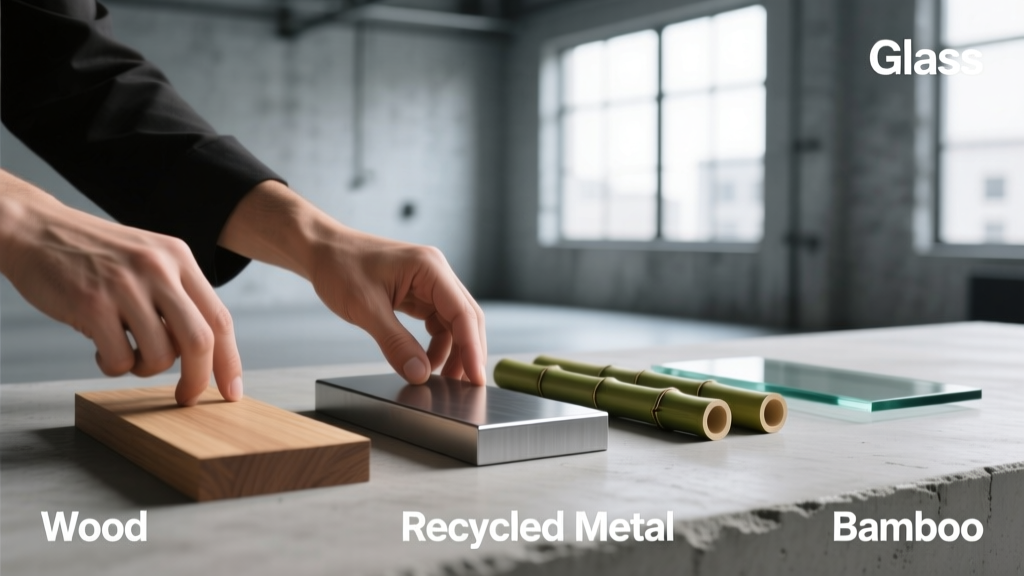 How To Choose Bedroom Materials for Optimal Comfort, Durability, and Sleep Quality
 Family Bedroom Ideas Kids and Adults Love
 Pet Bed Placement: Creating a Shared Bedroom That Works for Humans and Pets