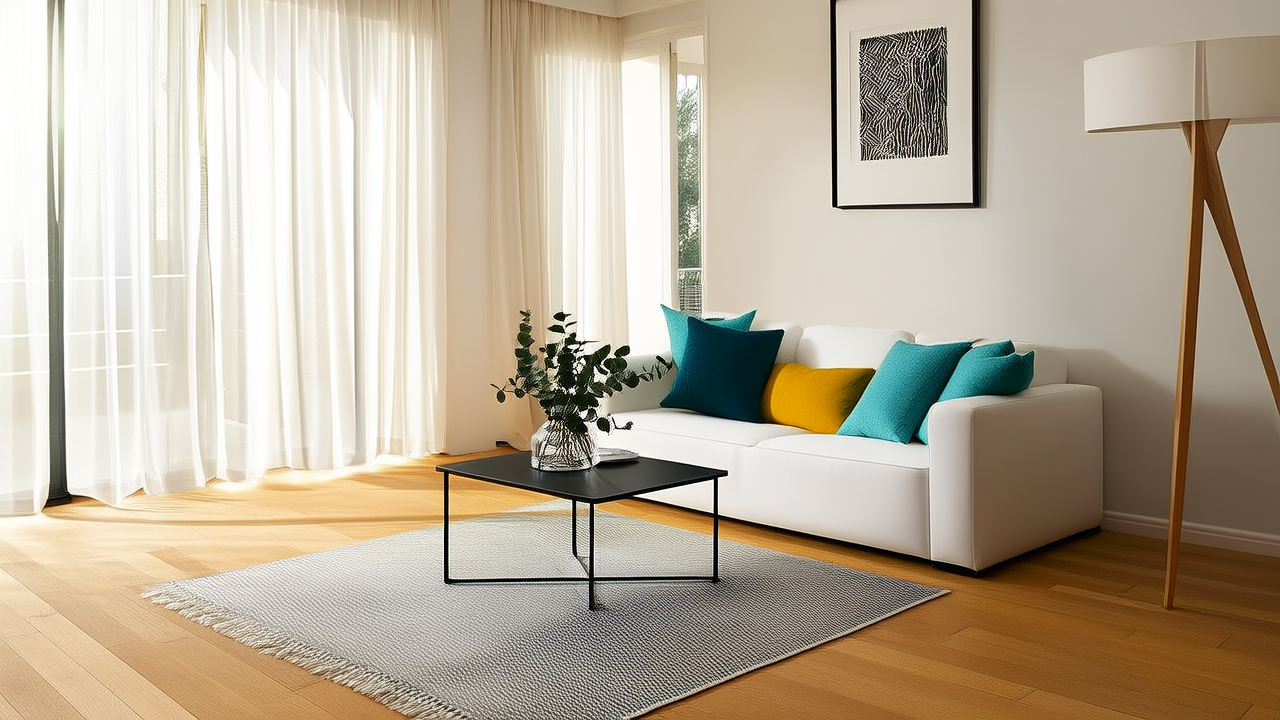
Functional Checklist: Bedroom Moves That Work
This functional checklist helps you evaluate the bedroom as a living system, not just a styled room. It covers circulation, mattress placement, storage, charging, lighting layers, temperature, textiles, and maintenance. Each item includes measurable targets such as 30-inch walkways, 24- to 30-inch bedside clearance, 12- to 18-inch outlet placement, and 65- to 68-degree sleep temperatures. Use it before buying furniture, during a refresh, or when a room feels cramped, dim, noisy, or visually cluttered. The goal is a bedroom that is comfortable, quiet, easy to clean, and adaptable to sleep, dressing, reading, and charging.
Start With the Room’s Working Shape
A functional bedroom begins with movement. Before choosing a headboard, rug, or bedding color, confirm that the bed can be made, the doors can open, the dresser drawers can extend, and someone can walk around the mattress without turning sideways. Many rooms look tidy in photos but fail daily use because furniture was bought for visual balance rather than measured clearance. A tape measure, a pencil sketch, and painter’s tape on the floor can reveal problems faster than a mood board.
Clearance and Circulation Measurements
Use standard mattress dimensions as your baseline: a queen measures 60 inches by 80 inches, a king measures 76 inches by 80 inches, and a California king measures 72 inches by 84 inches. Allow at least 24 inches of side clearance for one person to pass, but aim for 30 inches for a more comfortable nightstand reach. If two people share the bed, keep one walkway at 36 inches where possible. For a dresser across from the bed, leave 36 to 42 inches so drawers open fully and someone can stand while using the mirror. Door swing, thermostat, and outlet positions should also be marked before furniture placement.
| Zone | Minimum | Comfortable | Function Check |
|---|---|---|---|
| Bedside walkway | 24 in | 30 in | Can you walk to the nightstand without stepping on the rug edge? |
| Foot-of-bed passage | 30 in | 36 in | Can you move with laundry, a vacuum, or a folded blanket? |
| Dresser clearance | 36 in | 42 in | Do all drawers open without hitting the bed or wall? |
| Closet reach | 24 in | 30 in | Can you access hanging clothes without a step stool? |
| Chair and ottoman | 24 in | 30 in | Can legs move when sitting or standing? |
When the room is small, consider a bed frame with a slim profile, such as a low platform from IKEA or CB2, or a floating nightstand from Pottery Barn. A storage bed from Brooklyn Bedding or Crate & Barrel can recover floor space, but only if the mechanism is easy to open and the mattress remains breathable. If a California king makes the room feel tight, a queen or split queen may improve circulation without sacrificing sleep quality.
Make Storage Serve the Real Routine
Storage in a bedroom should answer a simple question: where does each item go the moment it is out of use? If clothes, cords, shoes, books, and chargers have no obvious home, surfaces will collect clutter. Start with the items you touch every day, then work outward. A nightstand should hold essentials only. A dresser should separate tops, bottoms, underwear, and socks. A closet should have dedicated zones for hanging clothes, folded shelves, accessories, and laundry. Use labels, bins, and dividers when visual cues are needed, especially in shared bedrooms or guest rooms.
Nightstand and Surface Function
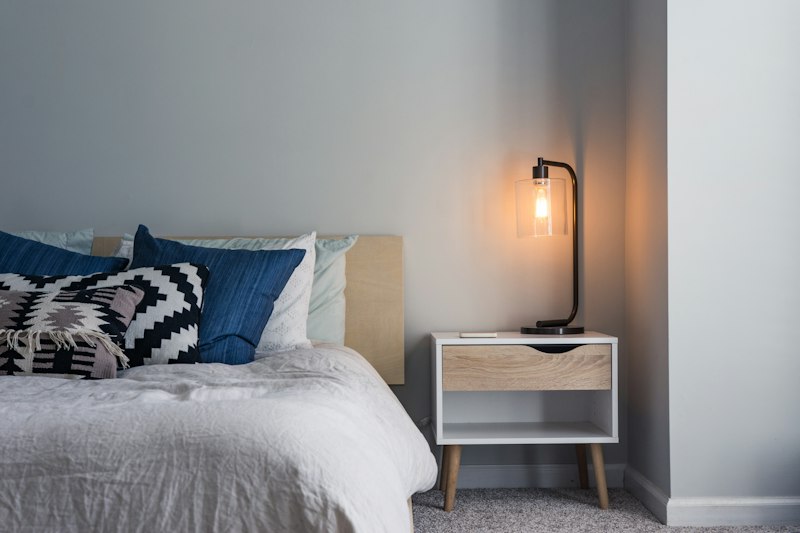
A practical nightstand is 18 to 22 inches wide, 16 to 20 inches deep, and 2 to 4 inches above the top of the mattress. If your mattress sits 25 inches high, a nightstand around 27 to 29 inches keeps the lamp at a comfortable level. For a lower platform bed, a smaller bedside table from IKEA LACK, West Elm, or Crate & Barrel can work, but test that a phone, book, glass of water, and lamp fit without crowding. Add a small tray for keys and a cord clip under the edge for charging cables. If the nightstand has drawers, use one for sleep aids and one for daily items; do not let it become a junk drawer.
Dressers and closets need depth and rod heights that match clothing. Standard dresser drawers are 16 to 20 inches deep, which accommodates folded jeans, shirts, and towels. For hanging clothes, set rods at 66 inches for shirts and jackets, 72 inches for long dresses or robes, and 84 inches for double-hang systems. IKEA PAX wardrobes, Elfa shelving, Kalon furniture, and The Container Store systems can be configured to these measurements. Add shallow shelves at 12 to 16 inches for bins, shoes, or accessories. If you use a bench at the foot of the bed, choose a model with 15 to 18 inches of storage depth and avoid overloading it with items you rarely wear.
- Keep one clear surface at the bedside for a lamp, phone, glass, and book.
- Use drawer dividers for socks, underwear, and accessories so each category has a fixed spot.
- Install a valet hook or over-door rack for clothes worn twice but not dirty.
- Place a hamper near the closet, not in a corner that requires a full walk.
- Store off-season clothing in under-bed bins only if the bed has at least 8 inches of clearance.
Control Light and Power Before You Buy Decor
Lighting and charging are among the most common sources of bedroom frustration. A room may feel cozy with one overhead fixture, then become hard to use when someone needs to read, fold laundry, find a charger, or get up at night. Build lighting in layers: ambient light for general movement, task light for reading or dressing, and low accent light for evening comfort. Use dimmers where possible, and choose bulbs between 2700K and 3000K for a warm, sleep-friendly tone. Philips Hue, GE Cync, Lutron Caseta, and smart plugs from TP-Link Kasa can help create schedules, but avoid adding complexity unless the controls are simple for every user.
Layered Light Control
For bedside reading, aim for 100 to 300 lumens on the lower dimming setting and enough reach to illuminate a page without shining into a partner’s eyes. A swing-arm sconce from Artemide, a compact table lamp from Crate & Barrel, or a rechargeable clip light from Olight can be useful. For the whole room, ambient lighting should spread evenly from ceiling fixtures, wall sconces, or a floor lamp. If the bedroom has a TV or computer corner, add bias lighting behind the screen from Philips Hue or Govee to reduce contrast glare. Nightlight paths should be under 10 lumens and placed low, around 4 to 6 inches above the floor, so they do not disrupt melatonin production.
Power planning matters as much as light quality. Outlets are often 12 to 18 inches above the floor, but bedside USB ports or charging plates can be mounted 24 to 30 inches high for easier access. Use a surge-protecting power strip with 3 to 6 outlets and at least one USB-C port rated 30 to 45 watts for phones, tablets, and headphones. Route cords with adhesive clips, a cord raceway, or a bedside organizer to prevent tripping. If you use a Sleep Number adjustable base, Casper, Purple, or Tempur-Pedic mattress with a frame that has motorized features, confirm the outlet load and plug location before the bed is placed. A dedicated charging station near the door, such as an Umbra or simple dock, can stop phones from disappearing under pillows.
Choose the Sleep Surface and Height With Intent
The mattress is the largest functional object in the room, yet it is often chosen without considering frame height, firmness, edge support, and household storage. A standard mattress thickness ranges from 10 to 14 inches, while adjustable-base models can raise total sleep height to 20 to 25 inches from the floor. Measure the total height before buying bedding, a bed skirt, or a nightstand. If you need edge support, compare innerspring and hybrid models such as Saatva Classic, Brooklyn Bedding Aurora Luxe, and Purple Hybrid Premier. If you prefer motion isolation, memory foam from Tempur-Pedic, Nectar, or Casper may feel more stable. If you share the bed and have different firmness preferences, a split king with two Twin XL mattresses from Sleep Number or Helix can solve both sleep and movement issues.
Bed frames should be stable, quiet, and compatible with the mattress warranty. A platform frame from Zinus, Tuft & Needle, or IKEA should have slats no more than 3 inches apart for foam and hybrid mattresses. If you choose a storage frame from Pottery Barn or Wayfair, test how much lift force is required to raise the mattress. For a small bedroom, a bed with shallow drawers can replace a dresser, but avoid overstuffing; drawers that stick make the room feel heavier. Add a mattress protector from Parachute, Brooklinen, or Target Threshold, and if the mattress sleeps warm, consider a cooling pad or breathable bamboo sheeting. The goal is not to buy the most expensive bed, but to choose one that supports your body, fits the room, and stays accessible for cleaning.
Build Comfort With Textiles and Temperature
Textiles affect comfort more than most decorative choices. Sheets, duvets, blankets, rugs, and curtains create sound, warmth, privacy, and tactile calm. Start with the climate and your sleep preferences. Cotton percale from Parachute or Brooklinen feels crisp and breathable, while sateen gives a smoother hand but can retain more heat. Linen from Cultiver, Quince, or Pottery Barn becomes softer over time and works well in warm rooms. For winter, flannel or brushed cotton from Target Threshold can add warmth, but only if the duvet allows airflow. Choose a duvet insert that matches your comforter dimensions: queen duvets are commonly 90 by 92 inches, king duvets 104 by 92 inches, and California king duvets 104 by 94 inches.
Bedding and Temperature Layers
Layer bedding so the room can adapt without changing the whole bed. A fitted sheet, a flat sheet or lightweight blanket, a duvet or comforter, and a throw can cover seasons from 50 to 80 degrees Fahrenheit. Maintain a bedroom temperature between 65 and 68 degrees for many sleepers, while people with medical conditions, infants, or older adults may need different settings. A portable air conditioner from Honeywell, a Dreo fan, or a Vornado can improve airflow without freezing the room. Add blackout curtains from R.H. Collection, Eclipse, or Pottery Barn for light control; 90 to 95 percent light blocking is often enough for daytime sleepers. Use a rug to reduce hard-floor echo and keep feet warm: an 8 by 10 foot rug works well beside a queen bed, while a 9 by 12 foot rug can anchor a king bed in a larger room.
Sound and smell should also be treated as functional layers. A white-noise machine from LectroFan or Hatch Restore can mask traffic, HVAC, or partner movement. If you prefer natural airflow, use a ceiling fan with a quiet motor from Hunter or Minka-Aire, but set it to reverse in winter to move warm air gently. Avoid strong scents near the bed; a mild candle from Diptyque or Jo Malone can be pleasant in the evening, but keep it away from curtains and use it only when supervised. For allergy concerns, wash bedding every seven to fourteen days, vacuum with a HEPA filter, and choose pillow encasements from SafeSleep or AllergyCare.
Add Small Details That Reduce Daily Friction
Functional bedrooms feel easy because small details remove repeated annoyances. A doorstop prevents a door from hitting a wall or nightstand. A valet hook near the closet stops clothes from landing on a chair. A full-length mirror placed on a wall or door saves floor space while making outfit choices faster. A small step stool helps children or shorter adults reach hanging clothes. A laundry hamper with a removable liner from Simplehuman or The Container Store makes sorting easier. A weighted blanket from Bearaby or Gravity can help some sleepers feel grounded, but choose 10 percent of body weight, roughly 15 to 25 pounds for many adults, and avoid it if heat or mobility is an issue.
Keep decorative objects limited to items that add calm or serve a purpose. A tray on the dresser, a small plant from a hardy variety such as pothos or snake plant, a framed photo, and a soft lamp can create warmth without creating dust traps. If the bedroom also serves as a workspace, define the zone with a compact desk from IKEA, CB2, or Fully, and add a task lamp from BenQ or Logitech. Keep laptop power cords away from the bed, and use a cable box or sleeve to hide adapters. If the room has a TV, mount it at eye level while sitting or lying at a 30-degree angle, and use a soundbar from Sonos or Vizio if built-in speakers are thin.
Use a Weekly and Seasonal Maintenance Routine
A checklist is only useful if it becomes a routine. Set aside ten minutes each day to reset the bed, return items to their homes, and clear the nightstand. Once a week, vacuum, dust surfaces, check cords, and rotate pillows. Each season, review bedding, lighting schedules, and storage zones. The following routine keeps the room functional without adding a major project.
- Every morning: pull the duvet straight, fold the throw, return cups and books to the kitchen or shelf.
- Every evening: test the bedside lamp, dim the overhead light, and place phones on the charging dock.
- Weekly: vacuum the rug and floor edges, wipe the nightstand, and check for loose screws on the bed frame.
- Monthly: wash sheets and pillowcases, inspect blackout curtains for light leaks, and test dimmer switches.
- Quarterly: rotate the mattress if the manufacturer allows it, declutter one drawer, and update lighting schedules.
- Annually: check smoke and carbon monoxide detectors, replace battery backups, and reassess whether the bedroom layout still matches your daily habits.
When you review the checklist, mark each item as pass, adjust, or replace. A pass means the space works without thinking about it. Adjust means the item can stay if you change a small detail, such as moving the lamp, adding a cord clip, or lowering the thermostat. Replace means the object is fighting the room’s function, such as a bulky nightstand that blocks a walkway, a dresser with shallow drawers, or a single bright fixture that makes the space uncomfortable. Keep notes for one week, then make changes in order of impact: clearance first, power second, storage third, comfort fourth, and decoration last.
A functional bedroom does not need to be perfect. It needs to make sleep easier, movement safer, and daily routines less annoying. When you measure clearances, create dedicated storage, layer lighting, choose the right mattress height, and maintain the space, the room becomes more than a place to look good. It becomes a reliable environment that supports rest, recovery, and everyday life.
More Articles
 Bathroom Tools Checklist 2026: Ergonomic & Spa-Ready
 Bedroom Reading Nook Ideas You'll Actually Use
 Best Bathroom Color Ideas for 2026: Vibrant & Calming
 Cozy Bedroom Tips 2026: Science-Backed Comfort Strategies
 Cozy Bedroom Reading Nook Ideas for Small Spaces (2026)
 Pet Bed Placement Tips for Shared Bedrooms in 2026
 Guest Bedroom Essentials: The Complete Host Checklist
 Bedroom Style Guide Tools Checklist for Comfort-First Design
 Best Bedroom Kitchens 2026: Compact, Safe & Stylish
 Headboard Styles That Transform Bedrooms