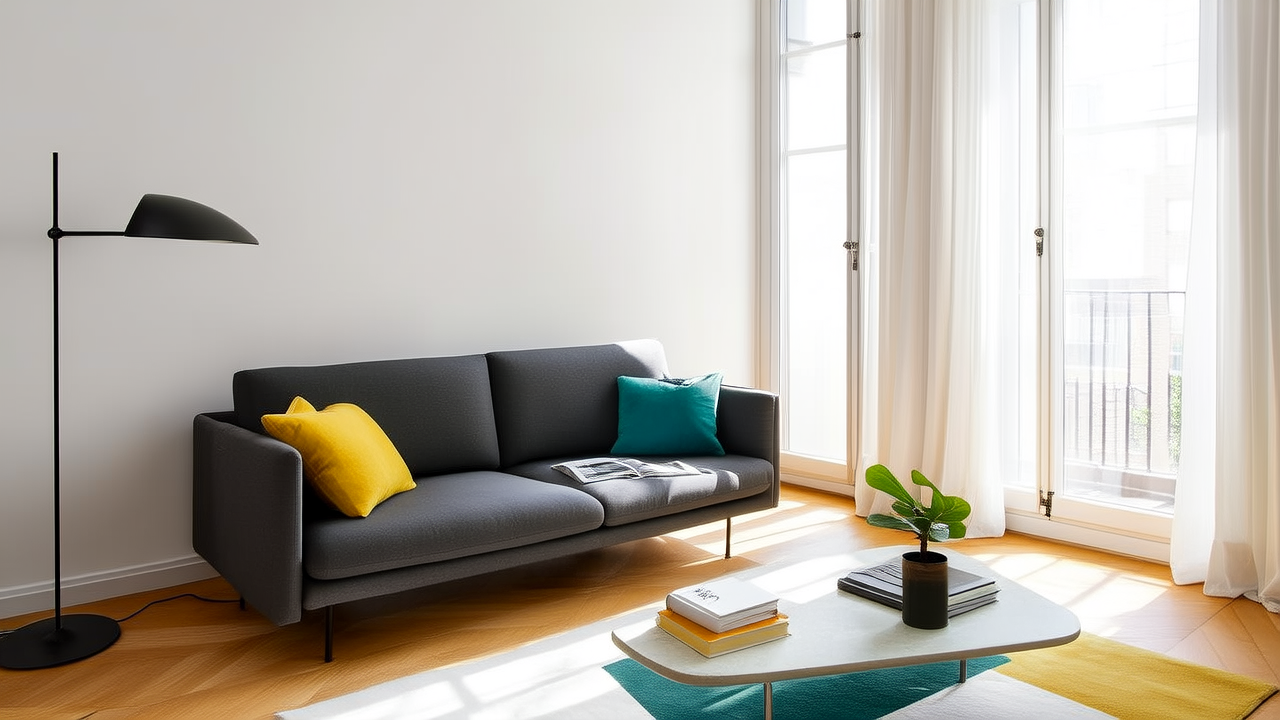
Bedroom Style Guide Tools Checklist for Comfort-First Design
Why Style Guides Matter for Bedroom Comfort Design
A bedroom style guide is a small operating manual for taste, sleep comfort, and daily use. It records approved colors, materials, lighting levels, bed dimensions, storage rules, and maintenance standards so a room feels calm without repeated guessing. For bedroom comfort, the guide is not only visual. It protects circulation, noise control, temperature, and texture decisions that affect rest. A useful checklist pairs design intent with measurable facts, such as a queen mattress at 60 by 80 inches, nightstand tops 2 to 4 inches above the mattress, and warm lighting at 2700 to 3000 Kelvin. This article shows how to build that guide, which tools help, and how to keep decisions consistent across textiles, furniture, and sleep surfaces.
A good guide also reduces friction after move-in. When a homeowner wants a new throw, a rug, a lamp, or a duvet cover, the checklist answers whether the item fits the approved palette, the right scale, and the comfort standard. Without that reference, rooms drift into mismatched whites, overly bright bulbs, noisy ceiling fans, and furniture that blocks pathways. The goal is not perfection. It is repeatable comfort, where every purchase supports sleep, ease, and a calm visual rhythm.
The Core Components of a Bedroom Style Guide
The best bedroom style guide balances four layers: visual mood, physical comfort, functional storage, and maintenance. Visual mood includes color families, finishes, and textile patterns. Physical comfort includes mattress firmness, pillow loft, bedding weight, temperature control, and sound. Functional storage includes closet organization, bedside reach, and circulation. Maintenance includes wash cycles, lamp bulb replacement, rug cleaning, and seasonal bedding swaps. When these layers are written down, the style guide becomes a decision filter instead of an abstract mood board.
Color, Light, and Material Balance
Color should support rest, not stimulate it. A practical starting ratio is 60 percent calm background, 30 percent supporting texture, and 10 percent accent. For a serene bedroom, background tones might include Benjamin Moore White Dove, Sherwin-Williams Agreeable Gray, or Farrow and Ball Elephant's Breath. Accents can come from a duvet, pillow, rug, or curtain. Keep the palette narrow: two neutrals, one soft color, and one material accent such as walnut, linen, or brushed brass.
Lighting is equally important. A bedroom should have at least three light sources: overhead or ceiling, bedside, and task or ambient. Use 2700K to 3000K bulbs for evening warmth. For reading, aim for 300 to 500 lux at the bedside, roughly 400 to 800 lumens from a focused lamp. Dimmers from Lutron Caseta or smart bulbs from Philips Hue make it easier to lower light without changing fixtures. Avoid a single bright overhead source because it flattens texture and can make the room feel clinical.
Scale, Circulation, and Sleep Hygiene
Scale problems are common in bedrooms because furniture is bulky and expectations vary by mattress size. A queen bed is 60 by 80 inches, a king is 76 by 80 inches, and a California king is 72 by 84 inches. Leave at least 24 inches of clearance on walkable sides, with 30 inches preferred for shared rooms. Nightstands should sit 2 to 4 inches above the mattress top, and a headboard should be tall enough to anchor the bed without crowding the ceiling, often 48 to 54 inches above the floor for standard beds.
Sleep hygiene belongs in the style guide because it changes material choices. Target a bedroom temperature of 65 to 68 degrees Fahrenheit, humidity between 40 and 50 percent, and ambient noise below 40 decibels. A Saatva Classic in firm or luxury firm, a Casper Original with zoned support, or a Fohr 10-inch hybrid can address different body weights and sleep positions. Pair a medium-firm mattress with breathable cotton or percale bedding from Brooklinen, Coyuchi, or Parachute, and choose a quilt weight based on season, not decoration alone.
A Practical Styleguide Tools Checklist
A styleguide tools checklist is the list of instruments, documents, and tests that let you make room decisions with confidence. It is not a shopping list. It is a quality-control list. The tools help you verify that a color reads correctly at different light levels, that a rug clears a bedroom door, that a lamp is warm enough, and that a mattress is not too soft for a pillow. In bedroom design, small errors become visible every night, so the checklist should be used before ordering and after installation.
- Measurements: room length, width, ceiling height, window placement, door swing, bed footprint, clearance zones.
- Color tools: paint swatches, fabric chips, finish samples, daylight and evening light tests.
- Comfort tools: mattress spec sheet, pillow loft guide, bedding thread count or weave, duvet weight, topper thickness.
- Lighting tools: bulb color temperature, lumens, dimmer compatibility, lamp height, blackout curtain transmittance.
- Storage tools: closet rod height, drawer depth, under-bed clearance, nightstand surface area.
- Maintenance tools: wash instructions, stain resistance, rug pad type, bulb replacement access, filter size.
Essential Tools for Building and Applying Bedroom Style Guides
Physical tools remain important even with digital planning. A 25-foot tape measure, a laser distance meter, painter's tape, a level, and a set of fabric swatches are still the fastest way to test real spaces. Digital tools help organize decisions: a spreadsheet, a room planner, a color palette app, and a saved spec sheet for furniture. For lighting, a phone light meter app can approximate lux, but a dedicated meter is more reliable when testing bedside reading light. For sound, a decibel app is useful, but a quiet night's sleep is the final test.
- Measurement kit: tape measure, laser tool, painter's tape, floor plan, level.
- Material kit: paint samples, fabric swatches, rug tiles, wood finish chips, curtain lining.
- Lighting kit: bulb tester, dimmer, lux meter, blackout fabric sample.
- Sleep kit: mattress sample, pillow loft chart, thermometer, humidity monitor, decibel app.
- Documentation kit: style guide template, purchase log, maintenance calendar, vendor contact list.
Step-by-Step Checklist for a Comfort-First Bedroom Style Guide
Use the following sequence when starting a bedroom project. It prevents the common mistake of buying furniture before knowing how the room will function. The checklist works for a guest room, primary bedroom, or small apartment room.
- Measure the room and mark the bed footprint with tape.
- Confirm circulation: 24 inches minimum, 30 inches preferred.
- Choose the mattress size and firmness based on sleep position and weight.
- Set the color palette: one background, two neutrals, one accent, one material finish.
- Select lighting: overhead dimmable, two bedside sources, and optional ambient.
- Choose bedding by season: lightweight percale, flannel, or weighted alternative.
- Plan storage: nightstand drawers, dresser, closet organizer, under-bed bins.
- Test fabrics and finishes at morning and evening light.
- Record maintenance rules and replacement schedules.
- Review the guide before buying rugs, curtains, artwork, or extra furniture.
Pre-Purchase Audit: Measure Before You Decorate
Before ordering anything large, create a one-page audit. List the exact bed size, mattress height, headboard height, nightstand height, rug size, curtain drop, dresser length, and clearance around the bed. For a 12 by 14 foot bedroom, a queen bed with a 12-inch mattress and 4-inch legs may have a total bed height of 16 inches, while a king may require checking whether 30-inch side clearance is still possible. If the room is 10 by 12 feet, a queen often fits better than a king, especially when two nightstands and a dresser are needed.
Measure windows from ceiling to floor if curtains are intended to read taller. A good default is a rod 4 to 6 inches above the window frame, with curtains 8 to 10 inches above the frame for a lifted look, and hem 1 inch from the floor for a crisp finish. For blackout curtains, check the side gap: a 2-inch overlap on each side can reduce light leakage. A Hunter Douglas or CB2 curtain setup should be tested against the actual window reveal, not just the wall color.
Procurement Checklist by Comfort Priority
When budget is limited, order purchases by sleep impact. Start with the mattress, then pillows, then lighting, then bedding, then rugs and decor. This protects comfort before aesthetics. A Saatva Classic or Fohr 10-inch hybrid may be a bigger long-term investment than a decorative throw, and it affects rest every night. After the sleep system is secure, choose Brooklinen bedding, Coyuchi blankets, or Parachute sheets because fabric hand feel changes perceived warmth and sleep quality.
For furniture, choose pieces that serve the room's circulation. A bedside table with a 16-inch surface can hold a lamp, phone, water, and book without crowding. A dresser should allow drawer opening with clearance. If the room is narrow, consider Article or West Elm pieces with lower visual bulk. For storage, under-bed boxes work when the bed is at least 14 inches high, but they should not block airflow if the mattress needs ventilation.
Common Style Guide Mistakes and How to Avoid Them
The most frequent bedroom mistake is treating the room like a showroom. A bed with 4 pillows may look styled but may not support side sleeping or hot sleepers. Another mistake is buying a rug too small. In a queen bedroom, an 8 by 10 foot rug often feels balanced under the bed, with the front legs on the rug. In a king bedroom, a 9 by 12 foot rug is safer. A 5 by 8 foot rug can make the bed look stranded unless it is a tight guest room or small apartment bedroom.
Lighting errors are also common. A single 5000K bulb can make evening feel harsh. A bedside lamp that is too high can create glare when reading. Curtains that are too short or too narrow can make a window feel small. Storage mistakes, such as a nightstand that is too shallow, cause clutter that undermines calm. A style guide prevents these by requiring dimensions, light temperature, material tests, and clearance checks before purchase.
| Style Guide Section | Tool or Document | Specific Target | Brand or Material Example |
|---|---|---|---|
| Bed Size | Floor plan and tape measure | Queen 60 by 80 inches; King 76 by 80 inches | Casper Original, Saatva Classic, Fohr 10-inch hybrid |
| Circulation | Clearance checklist | 24 inches minimum, 30 inches preferred | West Elm, Article, CB2 nightstands |
| Color | Paint and fabric samples | 60 percent background, 30 percent texture, 10 percent accent | Benjamin Moore White Dove, Sherwin-Williams Agreeable Gray |
| Lighting | Bulb and dimmer spec sheet | 2700K to 3000K; 400 to 800 lumens for bedside | Lutron Caseta, Philips Hue |
| Textiles | Seasonal bedding matrix | Percale for warm sleepers, flannel for cool rooms | Brooklinen, Coyuchi, Parachute |
| Sound and Air | Decibel and humidity monitor | Noise below 40 dB; humidity 40 to 50 percent | Sonos with sleep sounds, Honeywell humidifier |
Real-World Example: A 12-by-14-Foot Bedroom Style Guide
Imagine a primary bedroom that is 12 by 14 feet with a 9-foot ceiling. The owner sleeps on their side, sometimes gets hot, and wants a calm space for reading. The style guide begins with a queen bed at 60 by 80 inches, leaving 30 inches of clearance on both sides and 36 inches at the foot for a bench or open floor. The mattress is a Fohr 10-inch hybrid for moderate firmness and edge support, or a Saatva Classic in luxury firm if the owner wants stronger support. A Casper Original could also work if motion isolation is a higher priority.
For bedding, the guide selects White Dove by Benjamin Moore on the walls, a linen duvet cover from Parachute, and a Brooklinen percale sheet set for warm nights. A Coyuchi wool blanket adds texture without heat. Nightstands are 22 inches high, matching a mattress height of 18 inches including the base. Each bedside has a lamp with a 2700K bulb and a Lutron Caseta dimmer. A 9 by 12 foot rug from West Elm or Article anchors the bed, with the front legs on the rug and enough edge clearance near the closet door.
Storage includes a dresser with four drawers for folded clothes, a slim bench at the foot only if circulation remains above 30 inches, and blackout curtains from CB2 or Hunter Douglas for early light. The maintenance page records that the mattress protector is washed monthly, sheets weekly, wool blanket by hand or cold cycle, and bulbs replaced annually. The final check is a night test: the room should be dim enough for winding down, quiet enough below 40 decibels, and cool enough near 65 to 68 degrees Fahrenheit.
Template for a Printable Bedroom Style Guide Checklist
A printable template keeps the guide usable during shopping. It should fit on one page, with blanks for measurements, approved materials, lighting targets, and comfort notes. A good template avoids vague words like cozy or modern and replaces them with specifics: 2700K, 30-inch clearance, linen duvet, walnut legs, blackout lining, 8 by 10 rug. This is the difference between a room that looks good in photos and a room that supports sleep in daily life.
- Room name and date.
- Bed size and mattress model.
- Clearance measurements for both sides and foot.
- Wall color and accent colors with paint codes.
- Approved materials: wood, metal, linen, cotton, wool, velvet.
- Lighting targets: color temperature, lumens, dimmer setting.
- Textile plan: summer sheets, winter blankets, duvet cover.
- Storage plan: closet, dresser, under-bed, bedside.
- Comfort targets: temperature, humidity, noise.
- Maintenance schedule: wash, vacuum, filter, bulb, rotate.
- Approved vendors and budget ranges.
- Items to reject: 5000K bulbs, thin rug pad, shallow nightstand, bulky headboard.
Use the template as a gatekeeper. Before buying a new throw, check whether it introduces a color outside the approved palette. Before adding a lamp, verify its height and bulb temperature. Before ordering a rug, confirm that the bed legs and door swing are considered. The style guide tools checklist should be reviewed each season, because bedding, light levels, and storage needs shift over time. When the guide is clear, the bedroom becomes easier to maintain, and comfort stops depending on last-minute decisions.
More Articles
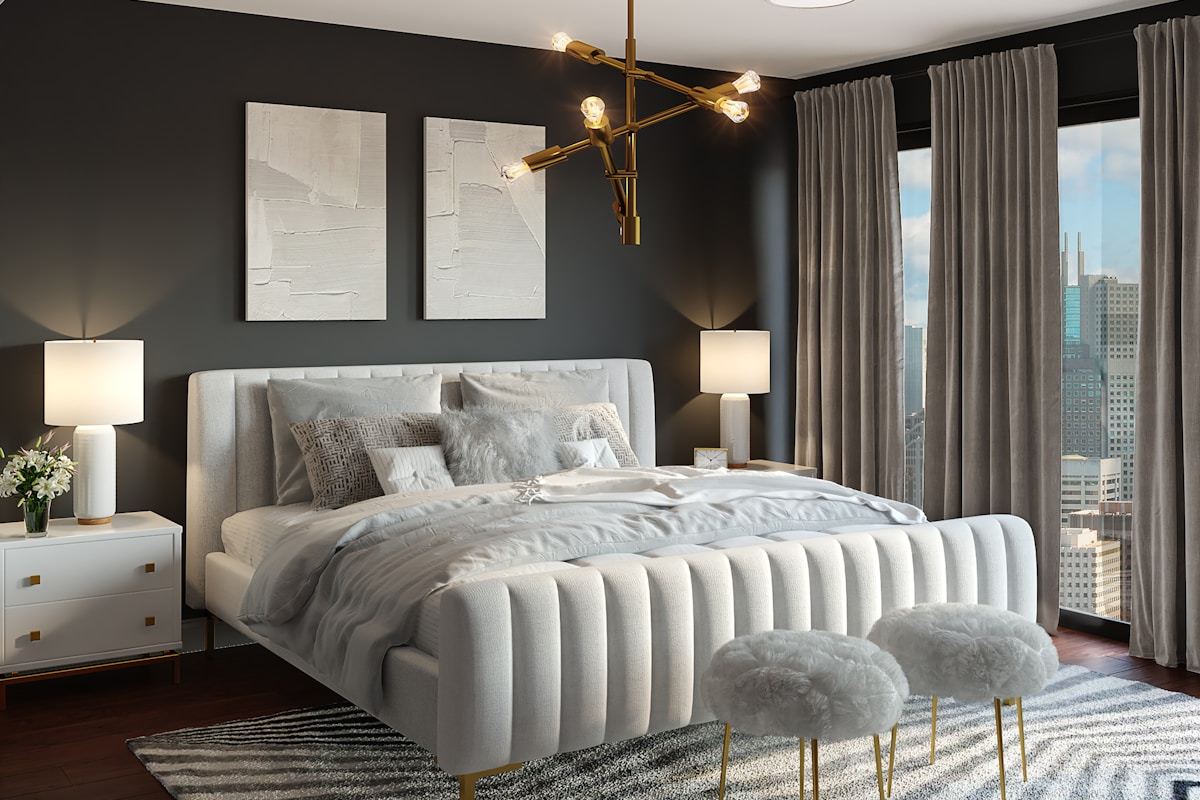 Bedroom Color Ideas: Restful Palettes (2026)
 Bedroom Textures: Layering for Cozy Nights
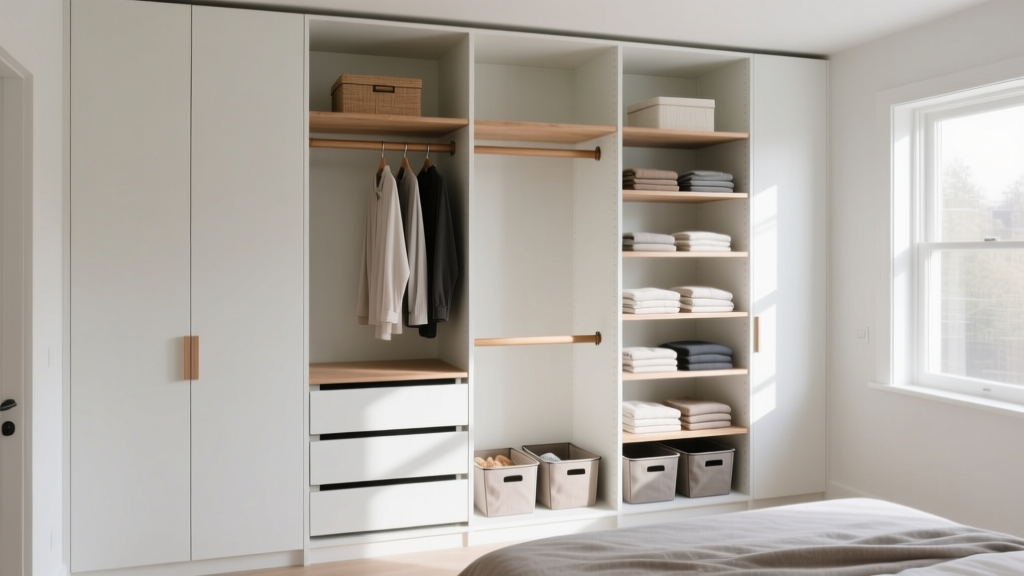 Bedroom Closet Design for Limited Mobility
 Bedroom Colors That Promote Better Sleep
 Bedroom Lighting Ideas: Beyond the Bedside Lamp (2026)
 Bedroom Wall Color Trends for 2026
 Calming Bedroom Color Palettes for Better Sleep
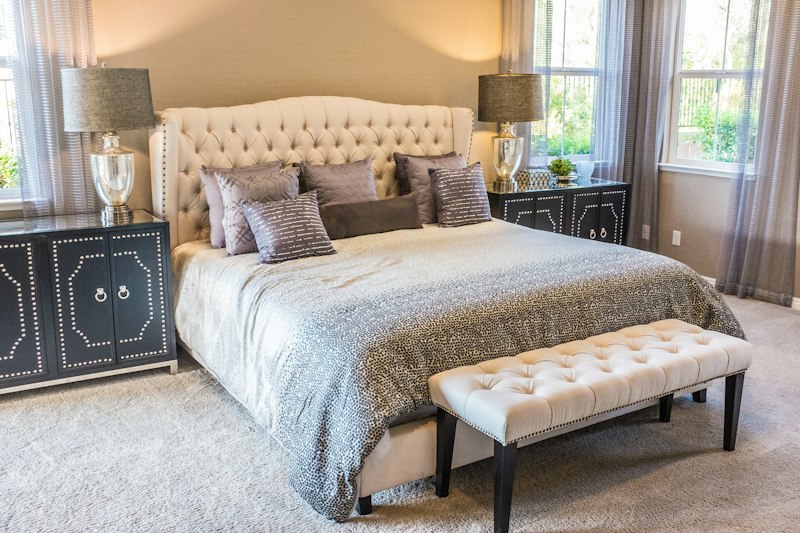 12 Bold Headboard Wall Ideas That Transform Bedrooms
 Small Bedroom Minimalist Makeover
 Small Bedroom Closet Organization Hacks