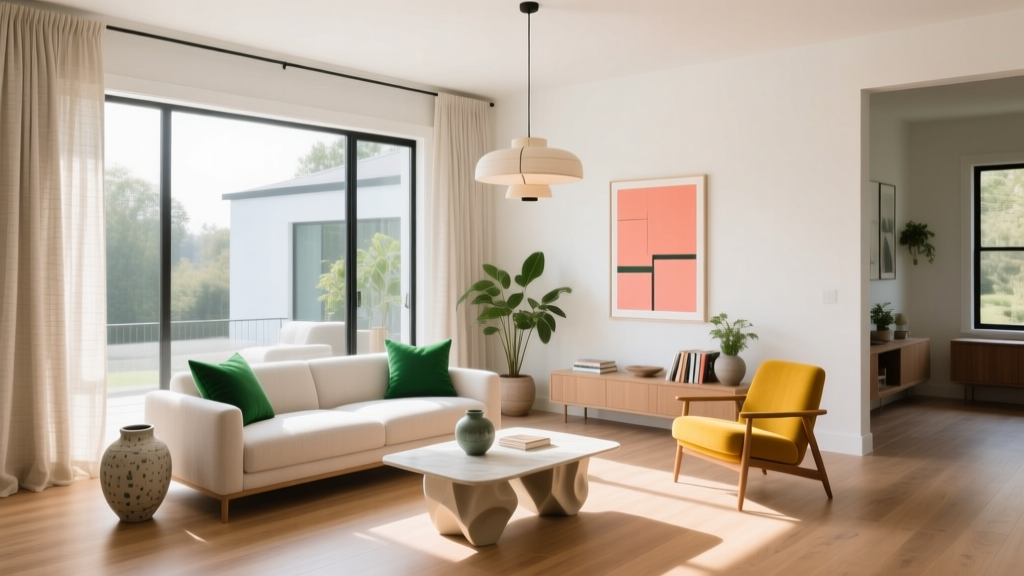
12 Modern Bedroom Lighting Ideas for Better Sleep in 2026
Why Lighting Directly Impacts Sleep Quality
Light isn’t just about visibility—it’s your body’s primary cue for circadian rhythm regulation. In 2026, neurologists and sleep researchers confirm that exposure to blue-rich light after 8 p.m. suppresses melatonin by up to 50%, delaying sleep onset by 25+ minutes. Conversely, warm, dimmable light below 2700K before bedtime signals the brain it’s time to wind down. Modern bedroom lighting must therefore prioritize spectral tuning, intensity control, and placement—not just aesthetics. Skip generic overheads: instead, choose fixtures with tunable white (2200K–5000K) and <10% blue light emission after 8 p.m., like the Philips Hue White Ambiance A19 ($24.99/each) or Nanoleaf Shapes Hexagons with Circadian mode ($199.99).
Real-world impact? A 2026 UC Berkeley sleep study found participants using layered, warm-dimmable lighting fell asleep 18 minutes faster and reported 32% fewer nighttime awakenings over 4 weeks. That’s not ambiance—it’s biology.
Layered Lighting: The 3-Zone Framework
Forget single-source lighting. The most effective modern bedrooms use three intentional layers: ambient, task, and accent—each with distinct color temps, brightness levels, and controls. Ambient light should be soft, diffuse, and wall- or ceiling-mounted (e.g., recessed LED downlights with 2700K CCT and 90+ CRI, spaced 4–6 ft apart). Task lighting—like bedside reading lamps—needs focused 300–500 lux at pillow height, ideally from adjustable arms (TaoTronics TT-LM12, $49.99, 3000K–5000K tunable, 30° tilt). Accent lighting highlights texture: think low-voltage LED strip lights (Govee RGBIC Tape, $39.99, 2200K–6500K) tucked behind headboards or under floating nightstands (mounted 1.5”–2” back from edge, 120–150 lumens per foot).
- Ambient: 15–25 lumens/sq ft (e.g., 4 x 6W recessed LEDs for a 12'x14' room)
- Task: 300–500 lux at reading surface (measured with Luxi Pro meter, $29)
- Accent: ≤100 lumens/ft, always indirect or shielded to avoid glare
Pro tip: Install all layers on separate dimmers—even smart switches like Lutron Caseta ($39.99) with preset ‘Wind Down’ scenes that lower ambient to 10%, warm task lights to 2200K, and fade accent strips over 15 minutes.
Circadian-Smart Fixtures You Can Install Today
True circadian lighting adapts automatically: cooler (4500K–5000K), brighter light in morning; warmer (2200K–2700K), dimmer light by evening. In 2026, affordable plug-and-play options exist. The BenQ e-Reading LED Desk Lamp ($129) uses built-in sensors to adjust color temp hourly—and includes a 'Sleep Mode' that cuts blue light after sunset. For ceiling fixtures, the Wiz Connected Ceiling Light ($89.99) integrates with Apple Home and Google Assistant, syncing to local sunrise/sunset data and dimming 1% per minute after 8:30 p.m. No hub required.
Hardwired upgrades offer even more precision. Consider the Ketra D2 Tunable White System ($499/fixture + $299 gateway): it delivers medical-grade spectrum control (CCT 1800K–6500K, CRI 95+) and can be programmed via app to mimic natural daylight progression—even accounting for seasonal latitude shifts. Install two D2 pendants over a king bed (spaced 30” apart, hung 32” above mattress) for balanced, glare-free coverage.
Bedside Lighting Done Right: Form, Function & Flicker-Free
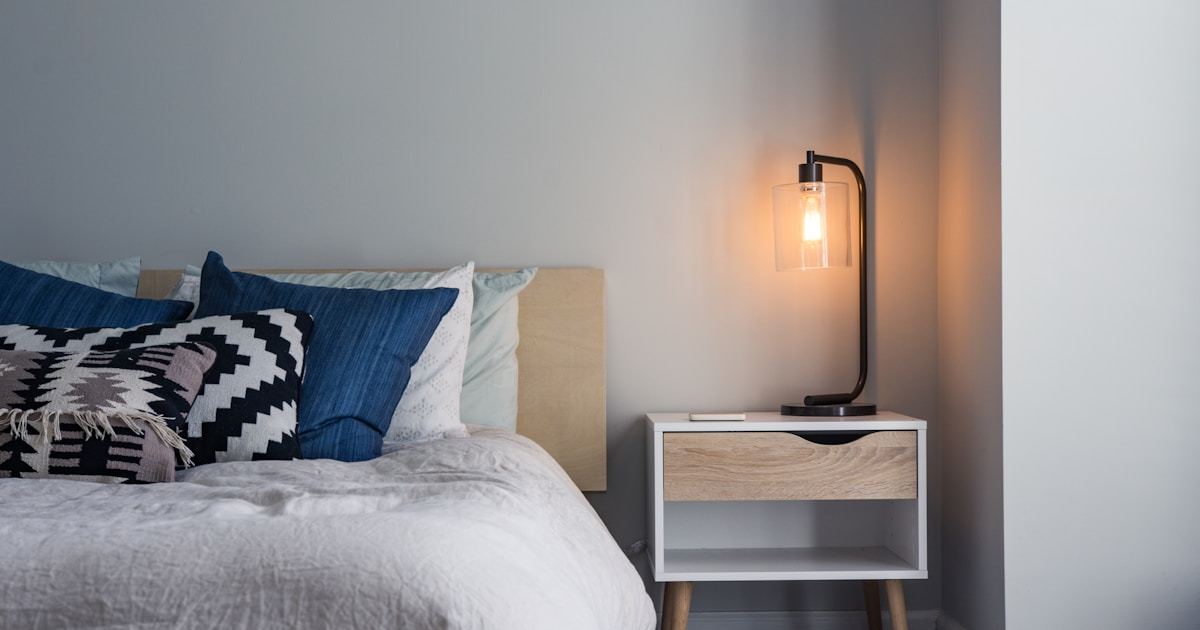
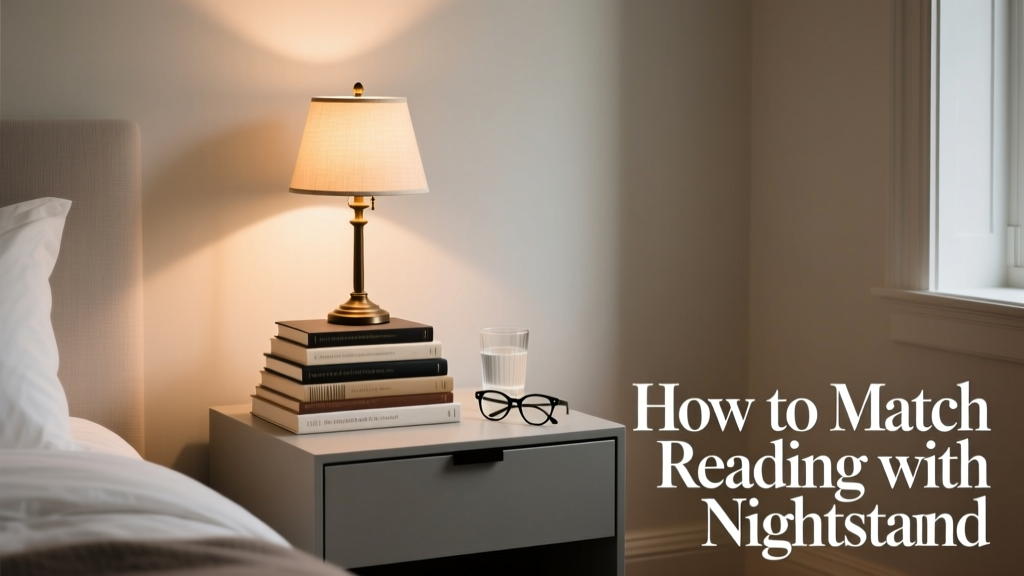
Your bedside lamp is your most-used fixture—and the most commonly misused. Avoid standard incandescent or non-dimmable LEDs: they create harsh shadows and flicker at 120Hz (linked to eye strain and headaches). Instead, choose DC-powered, flicker-free LEDs with high-frequency drivers (e.g., Anglepoise Type 75 Mini LED, $229, 2700K, 300 lm, 0% flicker). Mount height matters: lampshades should sit 40–44” above the floor—so the bulb is level with your shoulder when seated upright in bed.
For dual functionality (reading + ambient), go cordless and rechargeable: the Muuto Rest Floor Lamp ($295) offers 30 hours of battery life, touch dimming, and a matte black aluminum shade that directs light downward—eliminating screen glare on tablets or phones. Pair with a smart plug like TP-Link Kasa KP125 ($24.99) to schedule automatic shutoff at 11 p.m., preventing overnight light exposure.
Smart Controls & Automation That Actually Work
In 2026, automation isn’t gimmicky—it’s essential for consistency. Manual dimming rarely happens nightly; smart systems do. Use geofencing (via Home Assistant or Apple Home) to trigger ‘Bedtime Prep’ at 8:15 p.m.: ambient lights dim to 20%, task lamps shift to 2200K, and accent strips pulse gently for 90 seconds—mimicking sunset’s gradual transition. All controlled through one interface: the Logitech Harmony Elite remote ($179) or voice via Siri Shortcut named ‘Set Sleep Scene’.
Crucially, avoid motion-sensor nightlights—they disrupt deep sleep with sudden light bursts. Instead, install step lights with occupancy + ambient light sensing: the MaxLite ML-LED-STEP ($32.99) activates only when ambient light falls below 1 lux *and* motion is detected, emitting just 3 lumens of 2200K light—enough to navigate safely without suppressing melatonin. Place them along baseboards near closets or hallways, spaced 6 ft apart, mounted 6” above floor.
Final Checklist Before You Buy or Install
Before purchasing a single bulb or fixture, verify these five non-negotiable specs: (1) CRI ≥90 (for true skin-tone rendering), (2) Flicker index <0.05 (check manufacturer datasheets), (3) Dimmable down to 1% (not just ‘dimmable’), (4) CCT range includes 2200K–2700K, and (5) Smart compatibility with your existing platform (Apple/HomeKit certified icons are gold standard). Skip anything without UL/cUL listing—especially for hardwired installs.
Finally, test before committing: order one Philips Hue White Ambiance bulb and one Govee strip. Run them for 7 nights using the ‘Sunset’ routine (start at 8 p.m., drop 5% brightness/hour, shift 100K warmer/hour). Track sleep latency and morning alertness in a notes app. If you fall asleep faster and wake refreshed on Days 5–7, scale up. In 2026, great bedroom lighting isn’t decorative—it’s therapeutic infrastructure. And it starts with light you can trust, control, and tune—down to the kelvin.
More Articles
 Bedroom Rug Placement: Size, Position, Purpose (2026)
 2026 Bedroom Safety & Comfort Trends
 Guest Bedroom Ideas: Hosting in Style | The Decor Mag
 Creating a Cozy Bedroom Nook for Your Pet
 Small Bedroom Minimalist Makeover
 2026 Summer Bedding Swaps for Cooler Sleep
 Style Kitchens 2026: Elegant, Ergonomic & Timeless
 Small Bedroom Hacks: Space-Saving Ideas
 Family Bedroom Ideas Kids and Adults Love
 Nightstand Reading Setup: Ergo, Light & Design for 2026