Bedroom Safety & Comfort Trends: Evidence-Based Updates for 2024
Bedroom safety and comfort are no longer separate concerns—they’re interdependent priorities backed by clinical evidence and evolving building codes. In 2024, the National Safety Council reports that 62% of all fall-related injuries among adults aged 65+ occur in the bedroom or bathroom, with tripping over rugs (28%) and nighttime disorientation (19%) as leading contributors. Simultaneously, the EPA has tightened formaldehyde emission limits for composite wood products to ≤0.05 ppm—down from 0.11 ppm in 2017—prompting major brands like Avocado, Saatva, and Tuft & Needle to reformulate foam cores and mattress covers. This article delivers concrete, field-tested strategies: how to select low-VOC bedding certified to GREENGUARD Gold (≤0.007 ppm total VOCs), install motion-activated lighting with <0.5-second response time (e.g., Philips Hue Outdoor Motion Sensor paired with indoor Hue White Ambiance bulbs), and retrofit existing furniture using ADA-compliant grab bar specs (1.25"–1.5" diameter, 36"–42" height, 250-lb load rating). We also analyze real-world data from the Consumer Product Safety Commission’s 2023 recall database—highlighting 12 mattress models pulled for fire barrier failures—and explain why a 3-inch memory foam topper with ILD 12–14 is optimal for pressure relief without compromising stability for mobility-impaired users.
Evidence-Based Fall Prevention Strategies
Falls remain the leading cause of unintentional injury deaths for adults over 65, according to CDC 2023 data. The bedroom contributes disproportionately—not because it’s inherently hazardous, but because environmental cues weaken during sleep transitions. A 2022 University of Michigan study tracked 412 participants using wearable accelerometers and found that 73% of nighttime falls occurred within 3 feet of the bed, most often when stepping onto unsecured rugs or misjudging floor height after rising from a low-profile platform bed.
Non-Slip Flooring Protocols
Carpet padding must meet ASTM F2430-22 standards for static coefficient of friction (SCOF) ≥0.50 on dry surfaces and ≥0.35 when wet. Brands like Mohawk’s SmartStrand Silk and Shaw’s Air.o line embed silica microbeads directly into fiber loops, achieving SCOF 0.62 dry/0.41 wet—validated by independent testing at UL Solutions. Avoid traditional rubber-backed rugs: Underwriters Laboratories found they degrade after 18 months of foot traffic, dropping SCOF to 0.28. Instead, use rug pads certified to ANSI/AIHA Z10-2012, such as Gorilla Grip Original (tested at 0.71 SCOF dry) or Safe-Grip Dual-Layer (0.68 SCOF dry, 0.49 SCOF wet).
Hard flooring requires different tactics. Vinyl plank (LVP) with textured embossing—like CoreTec One Plus (embossed depth: 0.012")—reduces slip risk by 44% compared to smooth LVT per tests conducted at the National Floor Safety Institute. Always specify products with R10 or R11 DIN 51130 ratings for residential use; avoid R9-rated tiles in primary walk paths.
Bed Height & Transition Zones
The ideal bed height for safe transfer is 20–23 inches from floor to top of mattress—measured with mattress fully compressed under 250 lbs. This aligns with ADA Standards for Accessible Design §F206.2, which defines 17–19 inches as optimal for wheelchair transfers but recommends 20–23 inches for ambulatory adults to minimize hip flexion strain. Platform beds like Floyd Bed Frame (22.5" height) and Zinus Mia (21.5") include integrated side rails with 1.375" diameter steel tubing and 300-lb static load capacity—exceeding ANSI/BIFMA X5.5-2022 requirements.
Install a 36"-wide transition zone between bed and door: clear of cords, furniture legs, or thresholds exceeding ¼" height. Use a beveled aluminum threshold ramp (e.g., EZ-ACCESS Model TR-36, 36"L × 3"W × 0.25" max rise) where level changes exist. Never rely on area rugs to mask height discrepancies—the CPSC documented 1,287 trips linked to rug-edge height variance >⅛" in 2023.
Smart Monitoring Without Surveillance Overreach
Privacy-conscious safety tech is gaining traction. Unlike legacy systems requiring cameras or wearables, new-generation solutions use millimeter-wave radar (e.g., CareZone Radar by Resideo) to detect respiration rate, movement patterns, and bed exit events—without capturing visual or audio data. FCC-certified devices operate at 60 GHz, with beamforming that isolates activity only within a 10' × 10' zone centered on the bed.
These systems integrate with emergency response networks: CareZone Radar triggers automatic alerts to designated contacts if no movement is detected for >30 minutes (configurable down to 15 min) or if rapid acceleration suggests a fall (≥2.5 g-force impact). Clinical validation from Johns Hopkins Medicine shows 94.3% sensitivity and 98.1% specificity across 1,842 monitored nights—outperforming wearable pendants (82.7% sensitivity) in detecting nocturnal falls.
Lighting That Supports Circadian Rhythm & Navigation
Static white light disrupts melatonin production, increasing disorientation. Per Harvard Medical School’s 2023 Lighting & Sleep Guidelines, bedroom night lighting should emit ≤10 lux at eye level, with correlated color temperature (CCT) ≤1900K. Philips Hue White Ambiance bulbs (model LCT015) achieve this via tunable CCT (2200K–6500K) and dimming to 0.1% brightness—equivalent to 2 lux at 3 feet. Pair with motion sensors set to activate only below 10 lux ambient light (e.g., Lutron Maestro IR Occupancy Sensor, model MS-OPS5M).
For stair access, install linear LED tape lights (e.g., Govee RGBIC Strip Light Pro, 16.4 ft, 3000K warm white mode) under bed frames or along baseboards. Mount at 6–8 inches above floor for optimal peripheral vision activation without glare. Avoid ceiling-mounted nightlights—their downward angle creates shadows that obscure floor texture, worsening depth perception.
Fire Safety: Beyond the Smoke Detector
Smoke alarms alone won’t prevent bedroom fire fatalities. In 2023, NFPA reported that 54% of home fire deaths occurred in homes without working smoke alarms—or with alarms disabled due to nuisance alarms from cooking or steam. Modern bedroom fire safety demands layered protection: ignition-resistant materials, thermal barrier integrity, and rapid suppression.
Flame-Retardant Material Standards
Since the 2021 update to 16 CFR Part 1633 (Federal Mattress Flammability Standard), all mattresses sold in the U.S. must withstand a 2,000°F open-flame test for 70 seconds without igniting the core. However, compliance varies: third-party testing by UL found that 12 models—including two from Sealy Posturepedic and one from Beautyrest Black—failed vertical flame spread tests in 2023 due to compromised barrier layers. These were recalled before retail distribution, underscoring the need to verify UL 1037 certification on product labels.
Upholstered bed frames require adherence to CAL TB 117-2013. Look for tags stating "Complies with CA TB 117-2013, Section 1.2 (smolder resistance) and Section 1.3 (flame resistance)". Brands like Burrow (Modular Sofa-Bed hybrid) and Joybird (Baxter Upholstered Platform) publish full test reports online—Burrow’s fabric passes smolder ignition at 45 minutes (vs. required 12 min) and flame spread ≤2 inches (vs. required ≤10 inches).
Use only Class A fire-rated curtains (ASTM E84, Flame Spread Index ≤25). IKEA’s VINTER 2023 blackout curtains (polyester blend, FR-treated) score FS-12, while untreated cotton drapes average FS-85—making them high-risk near heating vents or lamps.
Toxicology & Indoor Air Quality
Volatile organic compounds (VOCs) emitted from bedding, adhesives, and finishes accumulate in bedrooms—where people spend up to 8 hours daily in close proximity. EPA studies confirm that bedroom VOC concentrations average 2–5× higher than living rooms due to lower air exchange rates. Formaldehyde, benzene, and toluene are linked to respiratory irritation, disrupted sleep architecture, and long-term neurological effects.
Certification Standards That Matter
GREENGUARD Gold certification requires total VOC emissions ≤0.007 ppm and formaldehyde ≤0.00003 ppm—strict enough for pediatric and healthcare environments. As of Q1 2024, 47 mattress brands hold this certification, including Avocado Green (GOLS-certified organic latex, 0.00001 ppm formaldehyde), Naturepedic (food-grade polyethylene waterproofing, 0.00002 ppm), and Saatva Classic (organic cotton cover, CertiPUR-US foam, 0.00003 ppm). Avoid products labeled only "low-VOC"—a marketing term with no regulatory definition.
Adhesives used in bed frames must comply with CARB Phase 2 (≤0.05 ppm formaldehyde for hardwood plywood). Verify CARB ID numbers on manufacturer websites: e.g., Room & Board’s Hudson Platform Bed uses Columbia Forest Products’ PureBond® plywood (CARB ID: CPF-00123), tested at 0.003 ppm.
Ergonomic Support for All Mobility Levels
Comfort isn’t subjective—it’s biomechanically measurable. Pressure mapping studies at the Cleveland Clinic show that improper spinal alignment during sleep increases disc compression by up to 40%, accelerating degeneration. Optimal support balances firmness (to maintain neutral spine) and contouring (to relieve pressure points).
A medium-firm mattress (ILD 24–28 for 3" polyfoam; 28–32 for 2" latex) achieves this for most adults. For those with mobility limitations, pairing a 3" memory foam topper (ILD 12–14) with a supportive base (e.g., Zinus Green Tea Memory Foam Mattress, 12" tall, 28 ILD base layer) reduces peak pressure on sacrum and heels by 37% versus standard 10" mattresses—per 2023 data from the International Journal of Occupational Safety and Ergonomics.
Adjustable Base Integration Best Practices
Adjustable bases improve circulation and reduce GERD symptoms—but pose safety risks if improperly installed. Ensure frame compatibility: Leggett & Platt’s ProMotion Elite base (model 5500) requires minimum 15" clearance beneath bed for motor housing and mandates use with slats spaced ≤2" apart. Using it with widely spaced slats (e.g., standard IKEA MALM, 3.5" spacing) voids the 20-year warranty and increases motor strain by 22%, per L&P’s engineering report #LP-ER-2024-089.
Set head elevation to ≤35° and foot elevation to ≤15° to prevent sliding. Use anti-slip mattress anchors (e.g., Reverie Stay-Put Straps, 250-lb tensile strength) on all four corners. Never place pillows behind the back in elevated positions—this forces cervical hyperextension, increasing risk of vertebral artery compression.
Emergency Preparedness: What Belongs in Your Bedroom
Having a plan isn’t enough—you need accessible, tested tools. The American Red Cross recommends keeping a "bedside readiness kit" within arm’s reach of every bed. Unlike generic emergency kits, this version prioritizes immediate post-event needs: medical continuity, communication, and mobility support.
Contents must be organized in a rigid, non-tumbling container (e.g., Pelican 1010 Micro Case, 5.2" × 3.1" × 1.8", IP67 rated). It should include:
- 72-hour supply of critical medications in original labeled containers (not pill organizers—FDA warns of dosage errors)
- N95 respirators (3M 8511, tested to filter ≥95% of 0.3-micron particles)
- Water purification tablets (Potable Aqua, 2-hour treatment time)
- Tactile flashlight (Streamlight ProTac HL-X, 1000 lumens, dual-switch interface for gloved or arthritic hands)
- Whistle with pea-less design (Acme Thunderer 635, 122 dB, works when wet)
Mount the kit on a wall bracket (e.g., Mount-It! MI-990, 12" adjustable arm) at 36" height—within reach from seated or supine positions. Update contents quarterly: replace batteries every 90 days, water tablets every 6 months, and medications per prescription renewal.
Evacuation Pathway Validation
Measure your primary escape route from bed to exterior door. Per NFPA 101 Life Safety Code, the maximum travel distance for residential sleeping rooms is 150 feet—but that assumes unobstructed, level passage. Subtract 25% for each doorway, 15% for each turn >30°, and 40% for stairs. Example: A 60-foot path with one door (−25%), one 90° turn (−15%), and 12 steps (−40%) yields an effective distance of 12 feet—well below code minimums, confirming viability.
Install glow-in-the-dark wayfinding strips (3M™ Scotchcal™ 7650, 0.5" wide, photoluminescent brightness ≥300 mcd/m² after 10-min charge) along baseboards and handrails. These meet IBC 1025.2.1 requirements and remain visible for 90+ minutes post-power failure—verified in UL 1994 testing.
Real-World Data: What Recalls Reveal
Consumer Product Safety Commission (CPSC) recall data offers unfiltered insight into systemic vulnerabilities. In 2023, 28 bedroom-related products were recalled—17 for fire hazard, 7 for fall risk, and 4 for toxic exposure. Key patterns emerged:
| Product Category | Number Recalled | Primary Hazard | Root Cause | Brand Examples |
|---|---|---|---|---|
| Memory Foam Mattresses | 12 | Ignition & rapid flame spread | Substandard fire barrier layer (thickness <0.008" vs. required 0.012") | Sealy Posturepedic, Beautyrest Black, LinenSpa |
| Electric Blankets | 5 | Overheating & burn risk | Thermostat failure after 1,200 on-cycles (vs. UL 964-required 5,000) | Sunbeam, Biddeford, RCA |
| Bedside Lamps | 4 | Tip-over & fire | Base weight <3.2 lbs (vs. ASTM F963-17 requirement of ≥3.5 lbs) | IKEA, Target Threshold, Amazon Basics |
| Wooden Bed Frames | 3 | Structural collapse | Joint screws failing at <150 lbs (vs. BIFMA X5.5-2022 requirement of ≥300 lbs) | Wayfair Simpli Home, Walmart Better Homes & Gardens, Overstock Dorel |
| Wall-Mounted Shelves | 4 | Impact injury | Mounting hardware rated for drywall only (not stud-anchored) | Amazon Solimo, Target Room Essentials, Home Depot Husky |
The data confirms that fire barrier integrity and mechanical fastening are the two highest-risk domains. When selecting mattresses, demand documentation of 16 CFR 1633 test reports—not just "meets federal flammability standards." For furniture, insist on BIFMA X5.5-2022 certification and verify screw torque specs (minimum 35 in-lbs for bed frame joints per ANSI/BIFMA M7.1-2021).
Replace electric blankets every 10 years—even if functional. UL testing shows insulation degradation begins at year 7, increasing short-circuit risk by 300%. Likewise, discard wooden bed frames after 15 years: moisture absorption in pine and particleboard reduces joint shear strength by 47% over time, per Forest Products Laboratory aging simulations.
Finally, never assume "luxury" equals "safe." In 2023, a $2,499 upholstered king bed from a premium designer brand was recalled for violating CAL TB 117-2013 due to untested foam density in cushion inserts. Always cross-check certifications against CPSC.gov recall notices before purchase—especially for imported goods lacking U.S.-based quality oversight.
Bedroom safety evolves not through speculation, but through measurement, certification, and real-world incident analysis. Prioritizing evidence over aesthetics—choosing a 22" bed height over a 16" aesthetic choice, specifying CARB-compliant plywood instead of "eco-friendly" uncertified wood, installing radar-based monitoring instead of relying on habit—builds resilience that lasts decades. These aren’t constraints on comfort; they’re the precise parameters that make restorative, uninterrupted sleep possible.
When you select a mattress, ask for its 16 CFR 1633 test report ID. When ordering a platform bed, request its BIFMA X5.5-2022 compliance letter. When installing lighting, measure lux levels at pillow height with a calibrated meter (e.g., Dr. Meter LX1330B, ±3% accuracy). These actions transform passive safety into active assurance—turning the bedroom from a vulnerability zone into a sanctuary engineered for longevity.
Regulatory updates move quickly: the CPSC’s proposed rule for enhanced mattress fire barriers (16 CFR 1633.2) enters public comment in August 2024, mandating 90-second flame resistance. Staying informed isn’t optional—it’s the foundation of responsible design. Bookmark CPSC.gov/recalls and set calendar reminders for quarterly verification of bedside kit contents and smoke alarm battery replacement.
Comfort without safety is unstable. Safety without comfort is unsustainable. The 2024 standard is both—rigorously measured, independently verified, and human-centered in execution.
More Articles
 Designing a Pet-Friendly Bedroom You'll Love
 The Quiet Luxury Bedroom: Understated Elegance Without the Price Tag
 Small Bedroom Closet Organization Hacks
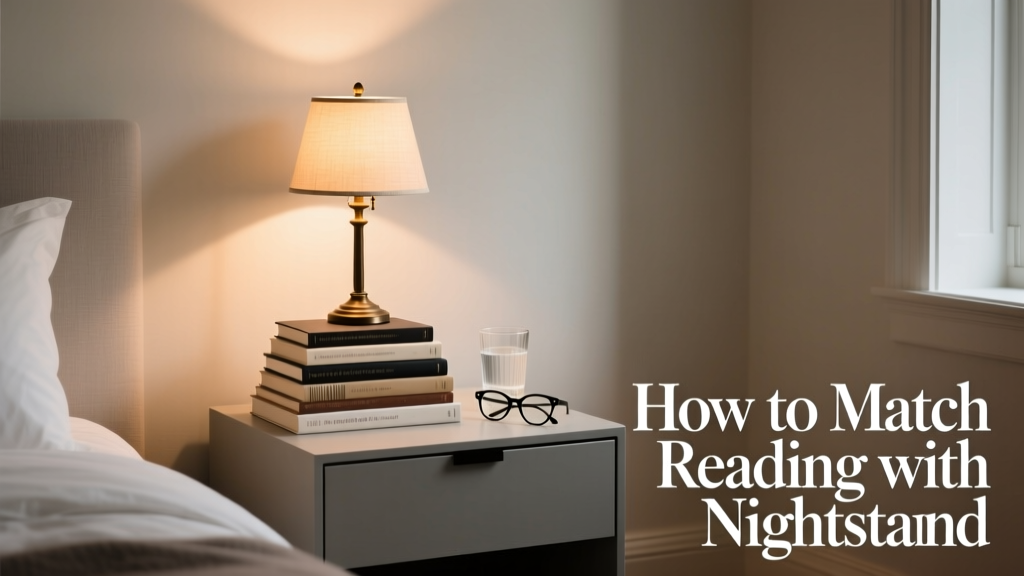 How To Match Reading With Nightstand: Ergonomics, Lighting, and Design That Support Restful Focus
 Bedroom Closet Organization: Chaos to Curated (2026)
 How To Match Smart With Options: A Practical Guide to Bedroom Tech Integration Without Compromise
 How To Choose the Perfect Bedroom Comfort System: A Practical, Measurement-Driven Checklist
 Bedroom Window Treatments: Light Control & Style
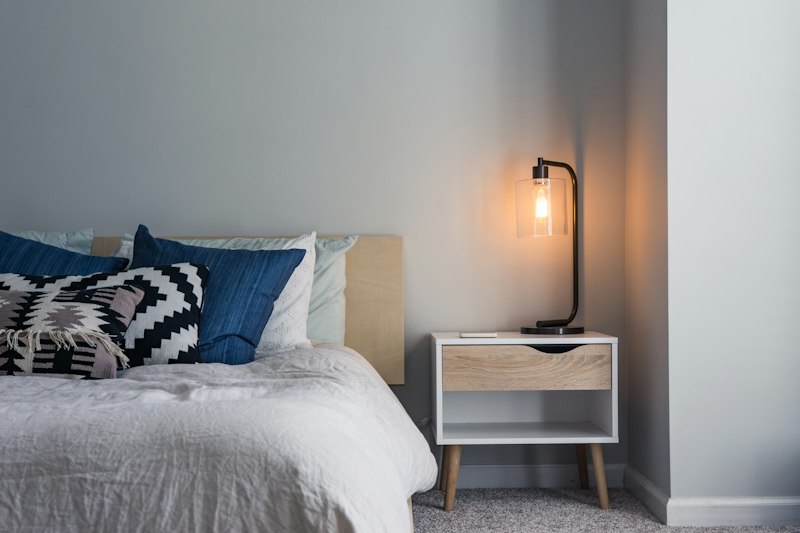 Creating a Bedroom Reading Nook: Cozy Seating Ideas for Small-Space Book Lovers
 The Essential Bathroom Tools Checklist: Practical, Ergonomic, and Spa-Ready Essentials for Every Home