## Why Lighting Matters More as We Age
After age 60, our eyes need approximately three times more light to read than they did at age 20. The lens also yellows, reducing color perception and contrast sensitivity. A well-designed lighting plan addresses these changes.
## The Three-Layer Approach
### Layer 1: Ambient Lighting
This is your general room illumination. Options for senior bedrooms:
- **Flush-mount LED ceiling fixtures** (4000K warm white, dimmable)
- **Recessed cans with wide-beam lenses** (spread light evenly, no dark corners)
- **Indirect cove lighting** (bounces off ceiling, reduces glare)
Target: 30-50 foot-candles at floor level for safe navigation.
### Layer 2: Task Lighting
Focused light for reading, dressing, and medication management:
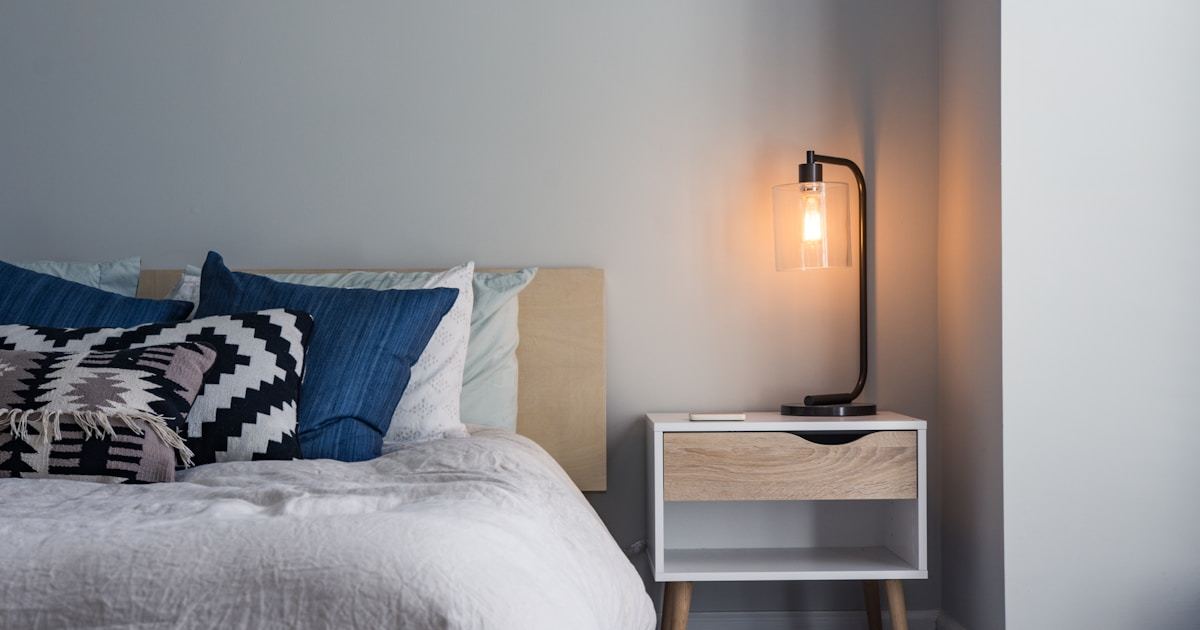
- **Adjustable bedside swing-arm lamps** (position without reaching across the bed)
- **Under-cabinet LED strips** in closet/dresser areas
- **Vanity lighting** at mirrors (vertical sconces on both sides reduce facial shadows)
Target: 50-75 foot-candles at the task surface.
### Layer 3: Night/Safety Lighting
Prevents falls during nighttime bathroom trips:
- **Motion-activated path lights** (bed to bathroom route)
- **Dim amber nightlights** (won't disrupt melatonin production)
- **Illuminated light switches** (glow-in-dark or LED-backlit plates)
## Switch and Control Recommendations
1. **Three-way switches** at both the door and bedside
2. **Dimmer switches** on ambient lights (adjust for time of day)
3. **Remote-controlled outlets** for lamps that are hard to reach
4. **Smart bulbs** with voice control (Alexa/Google) for hands-free operation
## Color Temperature Guide
- Morning/getting dressed: 4000K (bright, alert)
- Evening reading: 3000K (warm, relaxing)
- Night navigation: 2200K or amber (sleep-preserving)
Choose bulbs with a CRI (Color Rendering Index) of 90+ for accurate color perception.

 Precision for Colors: How Exact Hue, Value, and Chroma Transform Bedroom Comfort and Sleep Quality
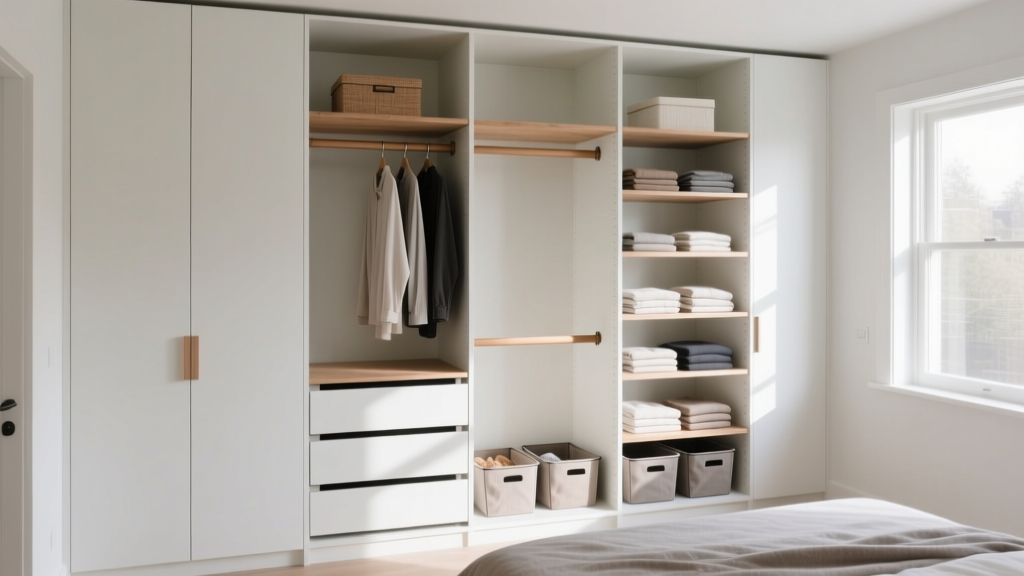 Bedroom Closet Design for Limited Mobility: Pull-Down Rods and Open Shelving
 Guest Bedroom Ideas: Hosting in Style | The Decor Mag
 Small Bedroom Inspiration: 2026 Compact Trends
 Summer Bedding Swaps: Five Textile Changes for Cooler Sleep Nights
 South-Facing Bedroom Colors That Shine
 Practical and Trend Compared: What Actually Improves Bedroom Comfort — And What’s Just Flashy Noise
 Designing Alternatives to the Traditional Bedroom: Smart, Adaptive, and Human-Centered Sleep Spaces
 Cozy Bedroom Ideas for Better Sleep in 2026
 Bedroom Furniture Layout: Optimal Arrangement (2026)