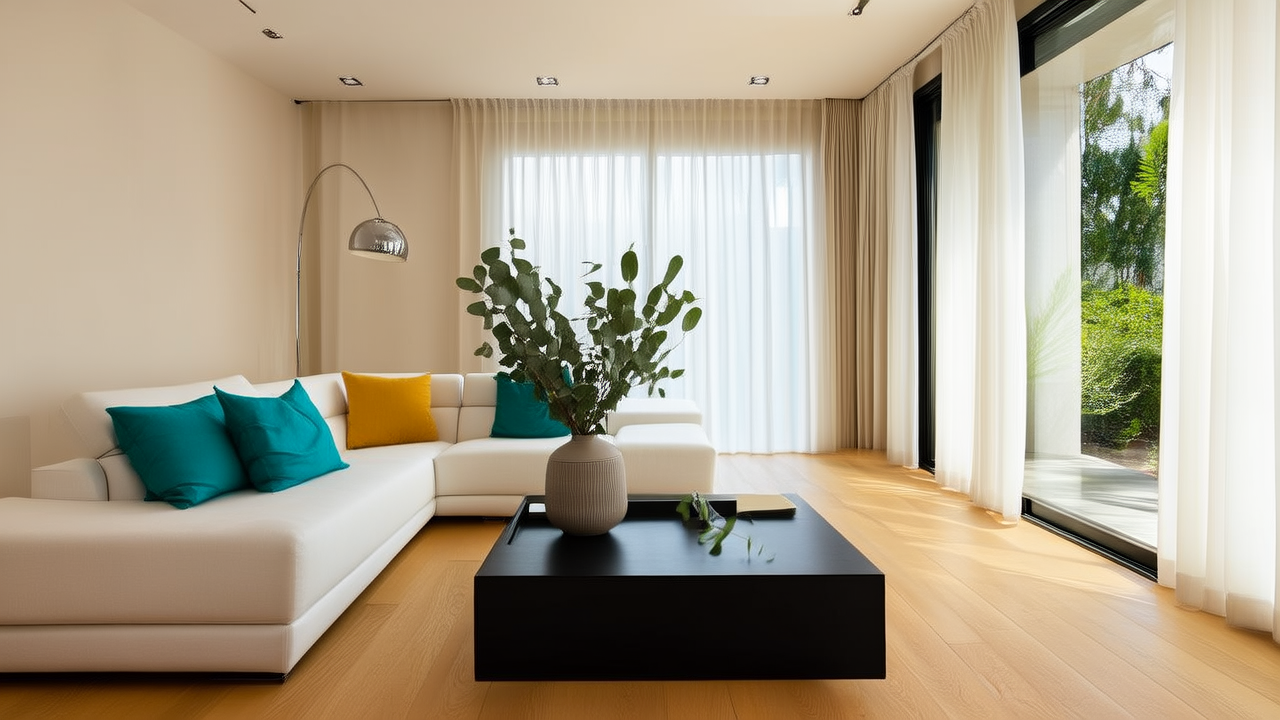
Accessible Kitchen Layouts for Seniors
Designing Kitchens for Comfort and Independence
As we age, the kitchen can become challenging. High shelves are unreachable, deep cabinets require bending and stretching, and standard counter heights cause back strain. Accessible kitchen design addresses these issues while maintaining a beautiful, modern aesthetic.
Counter Height Optimization
Standard counters are 36 inches high—comfortable for standing but not for seated work. Include a section of counter at 30 inches for seated food prep. This height works for wheelchair users and anyone who prefers to sit while cooking.
Varied Work Surfaces
Create multiple work zones at different heights. A raised dishwasher (24 inches off the floor) eliminates bending. Pull-out cutting boards at waist height reduce reaching. Each zone should serve a specific task: prep, cooking, cleaning, and serving.
Appliance Placement
Wall ovens at eye level eliminate bending to check food. Side-by-side refrigerators provide access at multiple heights rather than a top-freezer that requires reaching up. Cooktops with front-mounted controls prevent reaching over hot burners.
Induction Cooktops
Induction cooktops are safer for aging cooks—the surface stays cool, reducing burn risk. They heat faster than gas and offer precise temperature control. Choose models with automatic shutoff and pan-detection features for added safety.
Accessible Storage
Replace deep lower cabinets with full-extension drawers. Pull-out shelves bring items to you rather than requiring you to bend and reach into dark corners. Lazy Susans in corner cabinets make everything accessible with a gentle spin.
Upper Cabinet Solutions
Lower upper cabinets to 15 inches above the counter (instead of the standard 18) for easier reach. Add pull-down shelving mechanisms that bring items from the back of upper cabinets down to counter level with a gentle pull.
Lighting and Visibility
Under-cabinet LED strips illuminate work surfaces, reducing shadows. Task lighting over the sink and stove is essential. Choose fixtures with high CRI to accurately see food colors—a safety concern when checking for doneness.
Independence Through Design
An accessible kitchen lets seniors continue cooking, baking, and enjoying meals independently. Thoughtful appliance placement, varied counter heights, and accessible storage remove physical barriers without making the kitchen look clinical.
More Articles
 Studio Apartment Kitchen Ideas for 2026
 Best Kitchen Backsplash Ideas for 2026 Homes
 Kitchen Design for Lifelong Independence in 2026
 Kitchen Design for Seniors: Safety and Style
 Kitchen Backsplash Ideas Under $500
 Idea Organization System for Designers & Creatives (2026)
 Open Kitchen Shelving Ideas That Work
 Small Kitchen Makeover Ideas on a Budget
 Kitchen Square Footage: Cheap vs Premium Impact in 2026
 Open Kitchen Play Area: Safe Cooking with Kids in 2026