Open Shelving Kitchen: Pros, Cons, Styling
The Open Shelving Debate: Honest Take
Open kitchen shelving is polarizing. Some designers call it impractical; others say it's the best thing that happened to kitchen design. The truth, as usual, is somewhere in between. Open shelves work beautifully in the right context and create daily frustration in the wrong one.
The Real Pros
Visual lightness. Open shelves make a kitchen feel larger and airier than upper cabinets. In small kitchens, this effect is dramatic — removing heavy cabinet boxes from the walls opens up the space significantly.
Accessibility. Everything is visible and within reach. No opening doors, no digging through dark cabinets to find that one spice jar. Daily-use items live at eye level where they belong.
Display potential. Beautiful ceramics, vintage glassware, and artisanal cutting boards deserve to be seen. Open shelves turn your kitchen tools into decor.
Cost savings. Open shelving costs significantly less than upper cabinets. A set of solid wood shelves with quality brackets runs $200-500 versus $2,000-5,000 for custom upper cabinets.
The Real Cons
Dust and grease. This is the big one. Everything on open shelves collects dust, cooking grease, and airborne particles. Items need regular wiping — at least weekly in a kitchen that gets daily use. If you don't enjoy cleaning, open shelves will make you miserable.
Visual clutter. Mismatched dishes, half-empty containers, and random kitchen gadgets look chaotic on open shelves. You need to curate what's displayed, which means either buying cohesive dishware or storing the ugly stuff elsewhere.
Less storage overall. Open shelves hold less than enclosed cabinets. You lose the ability to stack items three deep or hide overflow. If your kitchen has limited storage to begin with, replacing cabinets with shelves might create a real problem.
The Hybrid Approach: Best of Both Worlds
Most designers now recommend a mix: open shelves for daily-use and display items, closed cabinets for everything else. The ideal split is open shelving above the sink or stove (where you reach for things constantly) and closed cabinets everywhere else.
This hybrid approach gives you the visual lightness of open shelves without the maintenance burden of exposing everything. Keep your most-used plates, glasses, and cooking tools on open shelves. Store backup supplies, rarely-used appliances, and mismatched containers behind closed doors.
Styling Rules That Actually Work
Rule of thirds. Divide each shelf visually into thirds. Fill two-thirds with functional items (plates, bowls, glasses) and one-third with decorative objects (a small plant, a ceramic pitcher, cookbooks). This ratio keeps shelves looking curated rather than sparse or overcrowded.
Color coordination. You don't need matching dishware, but a cohesive color palette helps. Stick to two or three colors maximum across all shelves. White, cream, and natural wood is a safe combination that works in any kitchen style.
Layering. Place larger items (platters, cutting boards) at the back and smaller items (cups, bowls) in front. This creates depth and ensures everything is visible. Lean art or framed prints against the wall behind dishes for personality.
Negative space. Don't fill every inch. Leave breathing room between groups of items. A shelf that's 70% full looks curated; one that's 100% full looks cluttered.
Materials and Installation
Wood shelves (oak, walnut, reclaimed wood) add warmth and work in most kitchen styles. Metal brackets in matte black or brass provide support and style. For a modern look, try floating shelves with hidden brackets — they appear to hover on the wall.
Install shelves at varying heights rather than uniform spacing. A 14-inch gap between the bottom two shelves and a 12-inch gap between the top two creates visual rhythm. The lowest shelf should be at least 18 inches above the counter to allow workspace clearance.
When Open Shelving Doesn't Work
- Heavy cooking households: If you fry, grill, or wok-cook daily, grease buildup will be relentless.
- Pet households: Cat hair on your dinner plates is a real thing with open shelves.
- Rental kitchens: Installing shelves means drilling holes and potentially damaging walls.
- Minimalist cleaners: If you prefer wiping down empty surfaces, open shelves add things to clean around.
The Verdict
Open shelving works when you treat it as a design commitment, not a shortcut. It requires curation, maintenance, and a willingness to keep things tidy. If that sounds like a chore, stick with cabinets. If it sounds like a fun creative challenge, open shelves might transform your kitchen.
More Articles
 Best Bedroom Inspiration for Essential: Functional Elegance, Ergonomic Precision, and Thoughtful Minimalism
 Best Kitchen Backsplash Ideas for 2026 Homes
 Open Shelving vs. Closed Cabinets: Kitchen Storage (2026)
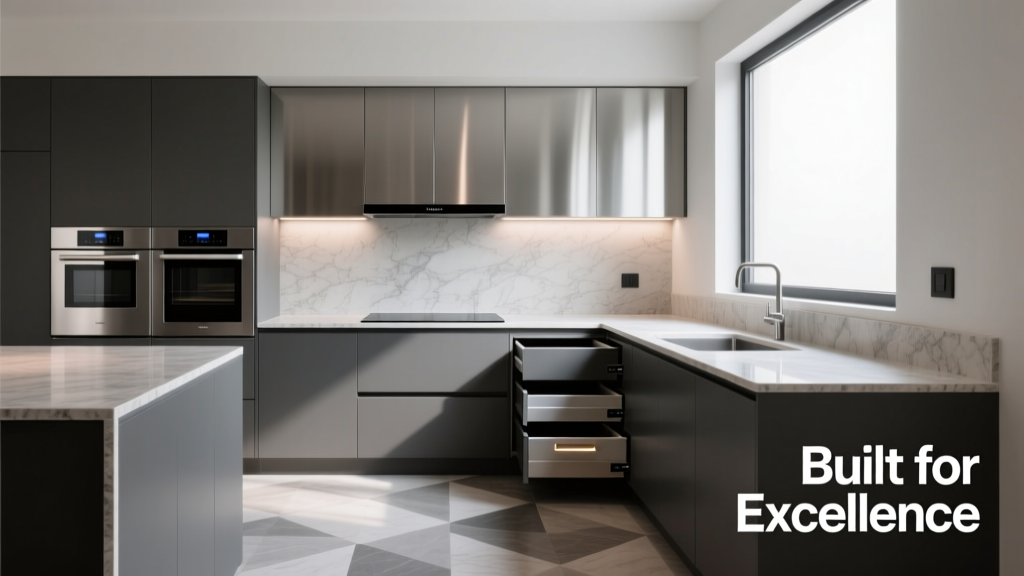 Built Kitchens Essentials: Precision, Performance, and Timeless Integration
 Pet-Friendly Kitchen Layout Ideas
 Open Shelving Kitchen Design: Style & Function (2026)
 Kitchen Color Schemes That Transform Spaces (2026)
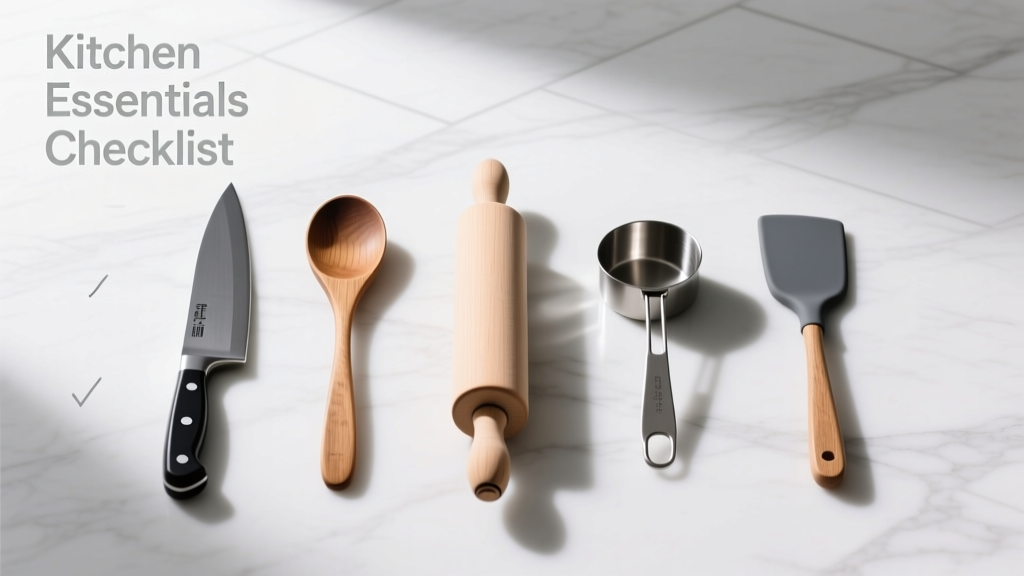 The Essential Kitchen Tools Checklist: What Every Home Cook Needs (and What You Can Skip)
 Trends On A Budget: Smart, Stylish Kitchen Updates Under $2,500
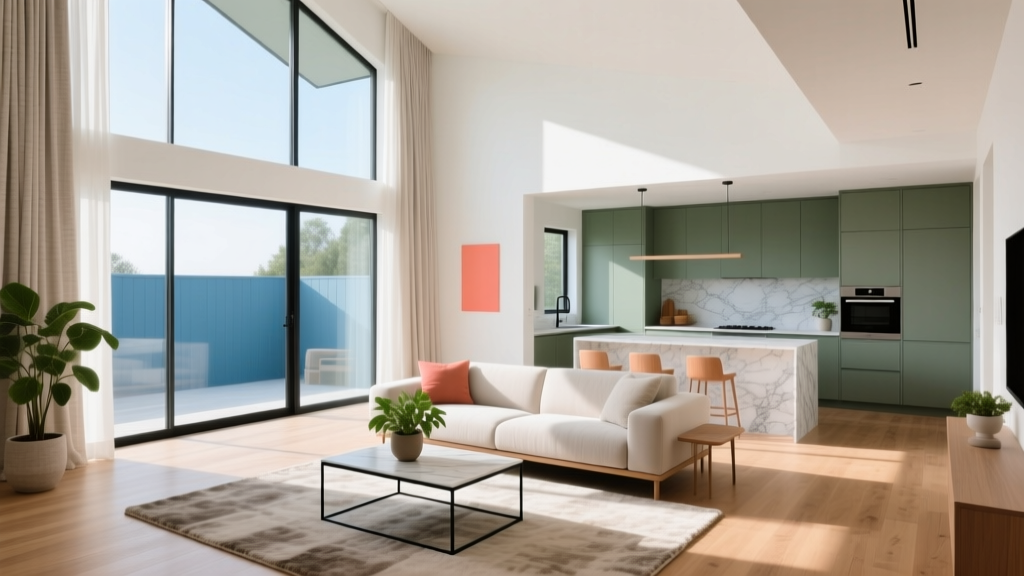 Small Kitchen Peninsula Ideas: Counter Space Without the Island