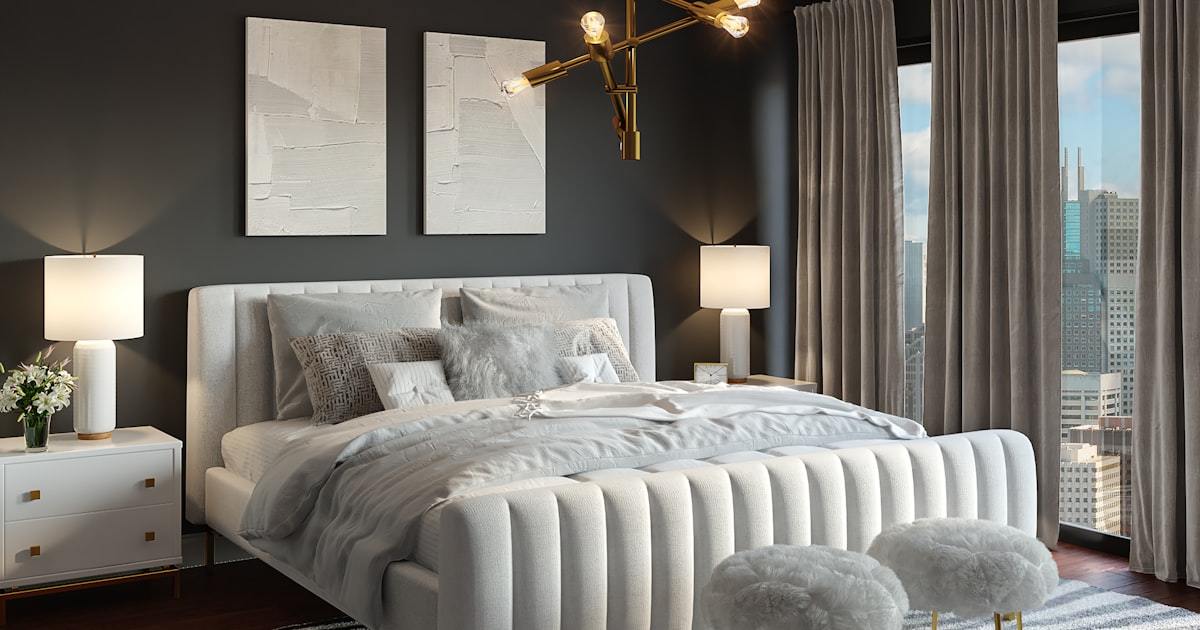
The Minimalist Living Room That Actually Feels Lived-In
Why Most Minimalist Living Rooms Fail
Scroll through minimalist living room inspiration and you'll see a lot of beautiful, empty spaces. White walls, one sculptural sofa, a single plant, nothing else. It looks stunning in photographs and completely unlivable in practice.
The problem isn't minimalism—it's the confusion between minimalism and emptiness. True minimalism isn't about having less. It's about having only what matters. And what matters in a living room is comfort, personality, and the things that make you want to stay.
The "Warm Minimalism" Framework
I practice what I call warm minimalism: clean lines and uncluttered surfaces, but with warmth, texture, and personality deliberately layered in. Here's how:
Start with a neutral base—walls in warm white or soft gray, flooring in natural wood tones. This is your canvas.
Add texture, not color—a nubby wool throw, a jute rug, linen curtains, a bouclé pillow. Texture creates visual interest without visual clutter.
Choose 3-5 "hero objects"—things you genuinely love that tell your story. A ceramic vase from a trip, a stack of your favorite art books, a family photograph in a beautiful frame. These aren't decorations. They're anchors.
Furniture: Quality Over Quantity, Always
In a minimalist living room, every piece of furniture is on display. There's no hiding a mediocre sofa behind a gallery wall or distracting from a cheap coffee table with piles of magazines. This means:
- Invest in the sofa. It's the visual and functional centerpiece. Choose one with clean lines, durable fabric, and comfort that makes you sink in—not perch.
- One accent chair. Not two matching ones. One beautiful, comfortable chair that's distinctly different from the sofa.
- A coffee table with storage. Closed storage (a lift-top or drawers) keeps the minimalist aesthetic while hiding remotes, coasters, and the inevitable clutter.
- Skip the entertainment center. Wall-mount the TV and use a slim console below. The visual weight reduction is dramatic.
The Art of Negative Space
Negative space—the empty areas between objects—is the secret weapon of minimalist design. It's not "nothing." It's the pause that lets everything else breathe.
Leave wall space empty around artwork. Leave shelf space partially unfilled. Leave floor space open between furniture groups. These gaps are what make a minimalist room feel calm rather than sparse.
Lighting as Atmosphere
A single overhead light kills minimalist warmth instantly. Layer your lighting:
A large floor lamp beside the sofa (sculptural, part of the design). A small table lamp on a side table or shelf (warm pool of light). And if possible, natural light maximized with minimal window treatments—sheer linen panels that filter without blocking.
Minimalism isn't about deprivation. It's about making room—literal and psychological—for the things that truly matter to you.
More Articles
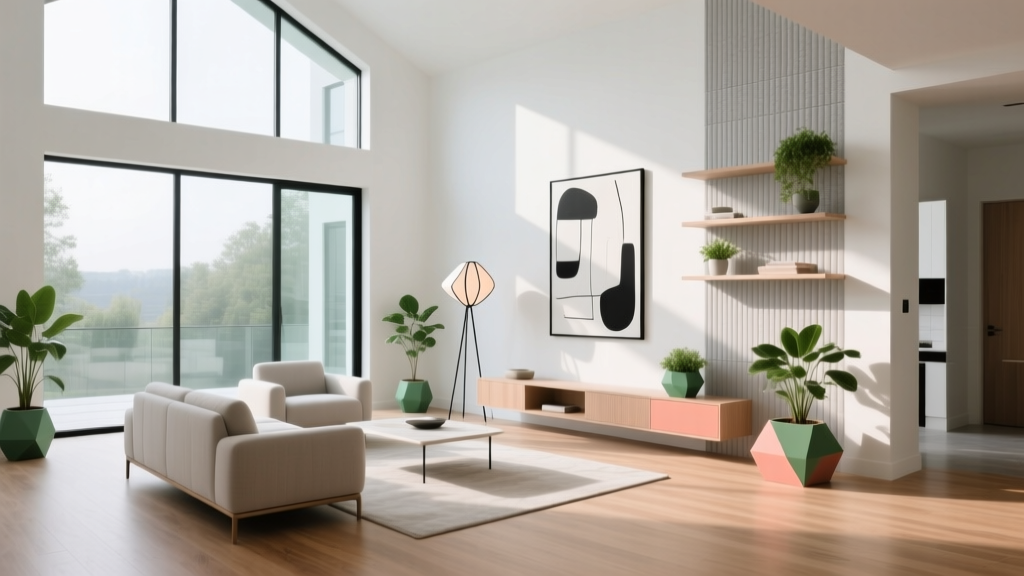 Cat-Friendly Living Room Shelves: Style + Function
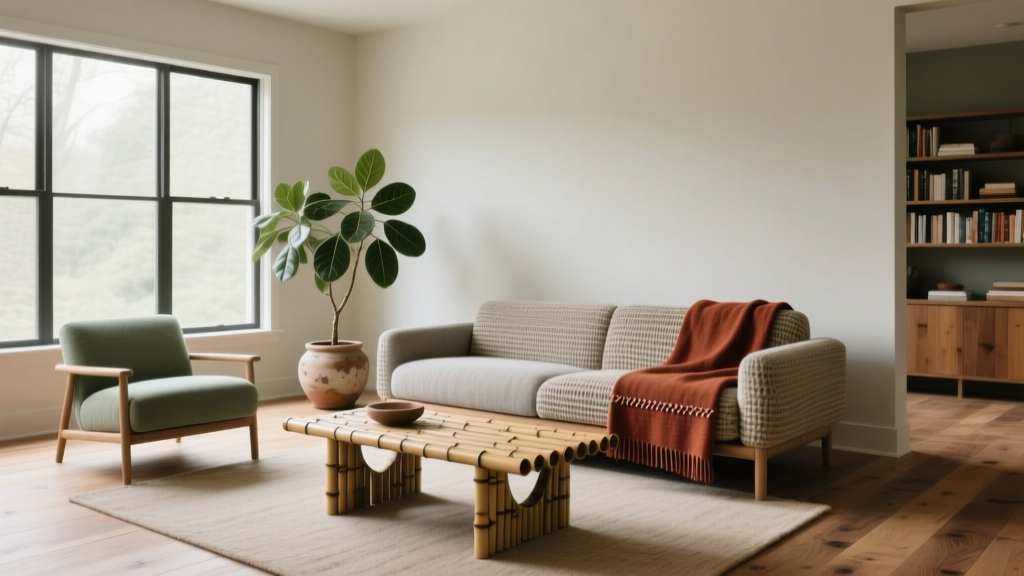 Sustainable Living Room: Eco Materials Without Compromise
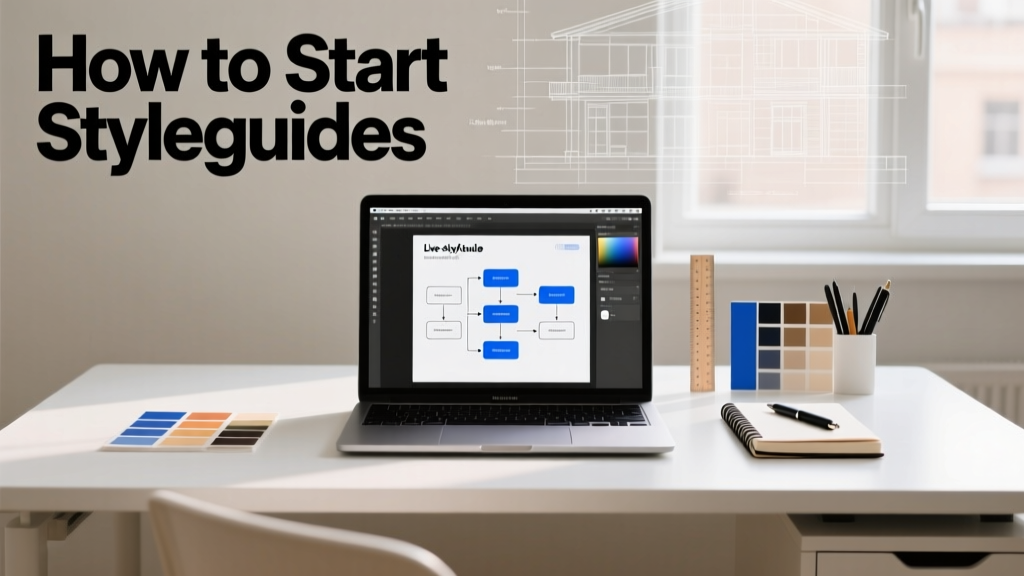 How to Start Styleguides: A Practical, Step-by-Step Framework for Living Spaces
 Cat-Friendly Living Room Layouts: Vertical Space and Hiding Spots That Blend In
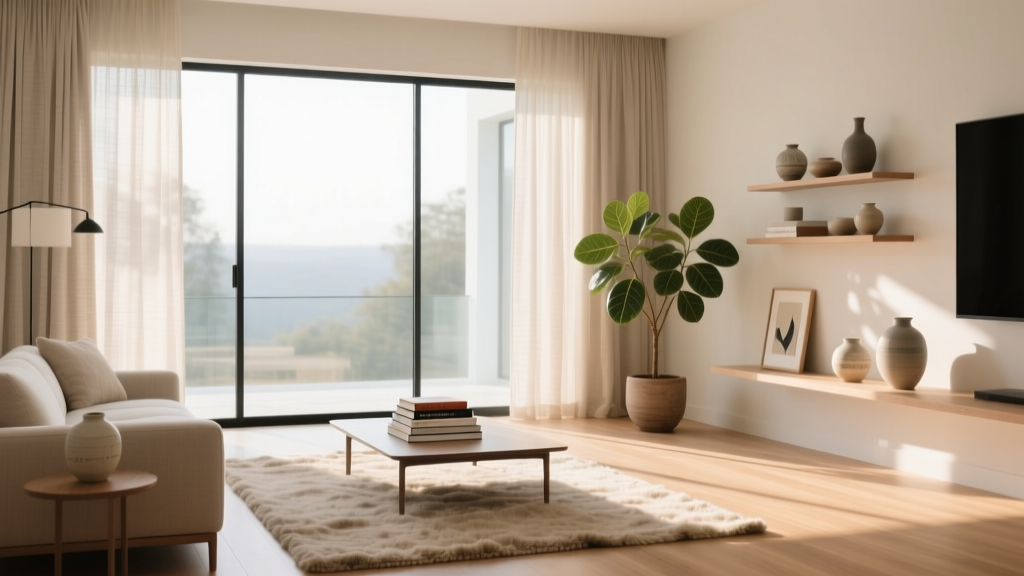 Conversation Pit Living Room Ideas
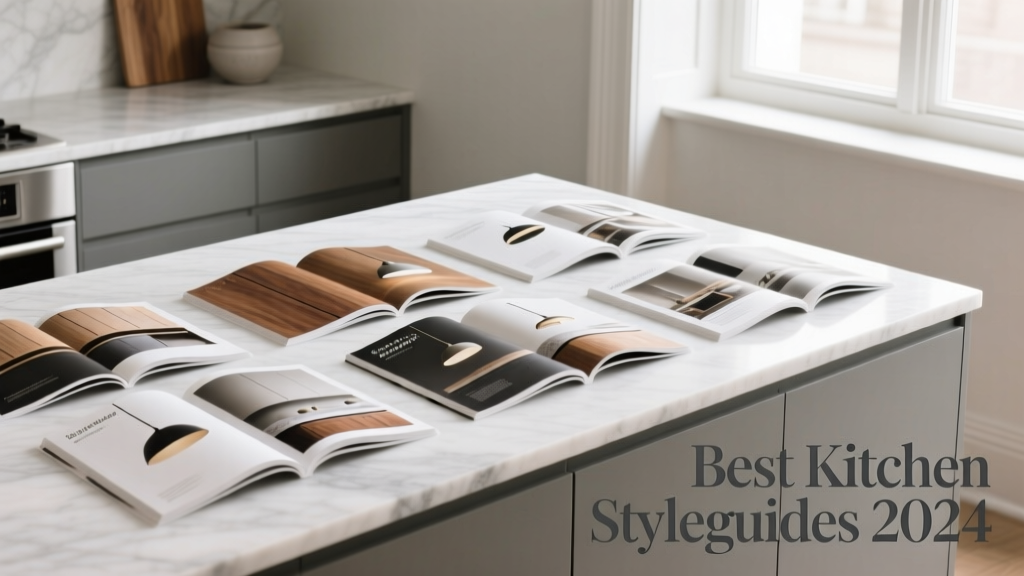 Best Style Guides for Kitchens: Practical, Brand-Backed Design Standards You Can Apply Today
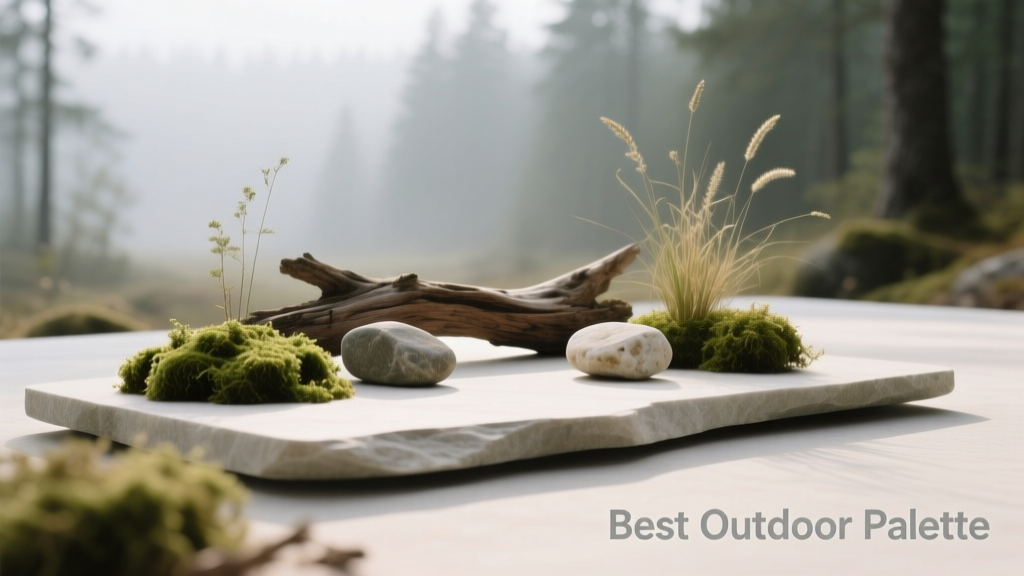 Best Outdoor Furniture for Palette: Color, Material, and Design Harmony
Minimalist Living Room Ideas Under $500
Best Outdoor Furniture for Palette: Color, Material, and Design Harmony
Minimalist Living Room Ideas Under $500
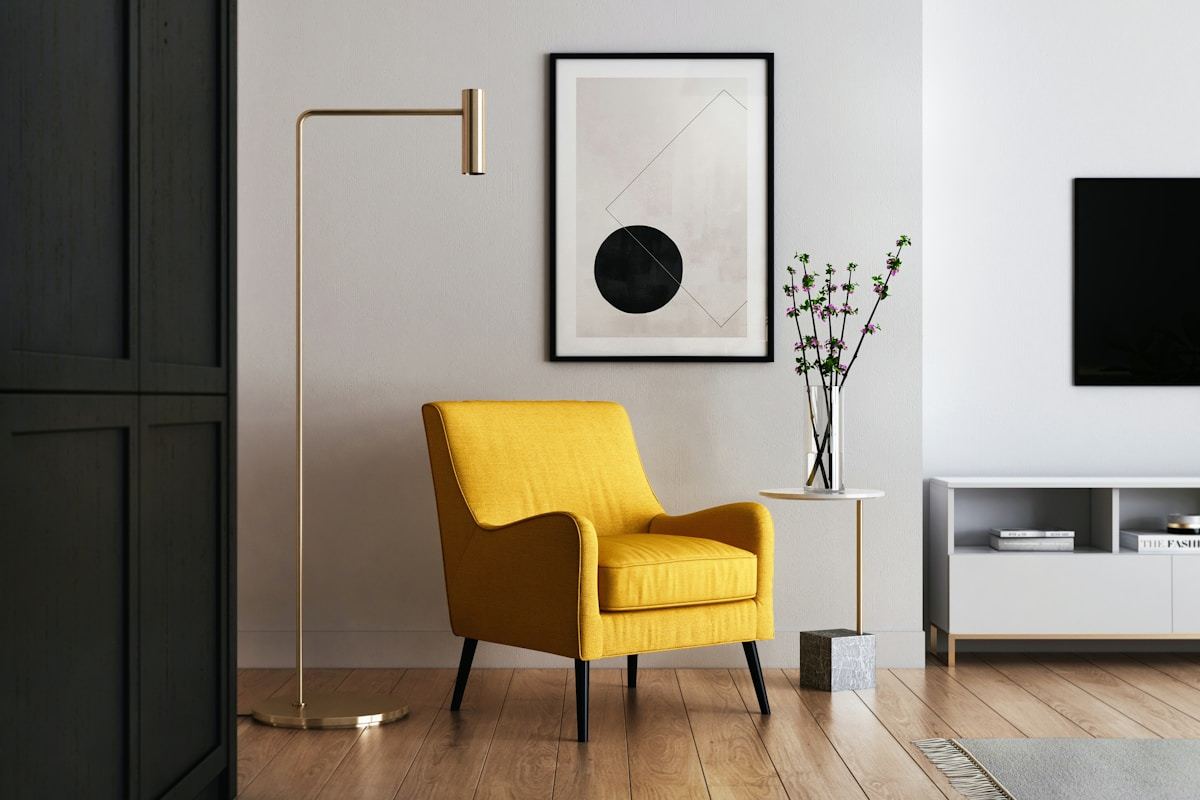 Scandinavian Living Room Style: Hygge & Design (2026)
 The Livingroomideas Spaces Checklist: A Practical, Room-by-Room Design Audit for Real Homes