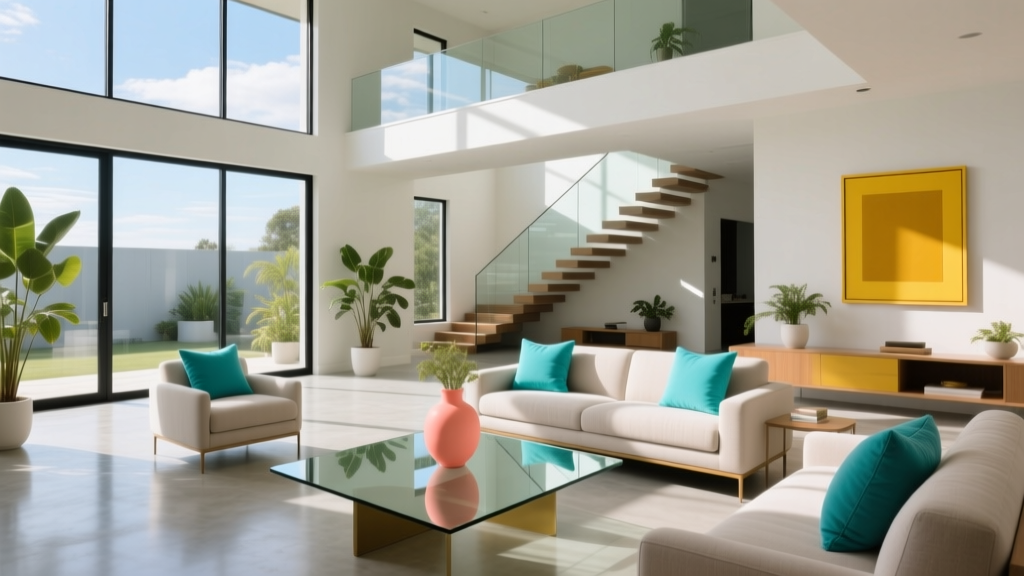
Minimalist Decor on a Budget in 2026
Minimalism Isn't Expensive — It's Intentional
There's a misconception that minimalist design requires designer furniture and custom built-ins. The truth is the opposite: minimalism is about having fewer, better things — and "better" doesn't mean "more expensive." Here's how to create a minimalist space on a real budget.
The One-In, One-Out Rule
Before buying anything new, remove something old. This single habit prevents clutter accumulation and forces you to evaluate every purchase. If you want a new throw pillow, donate an old one. If you buy a book, give one away. Over six months, your space naturally becomes more curated without spending extra.
Where to Invest, Where to Save
Invest in:
- Your sofa — you use it daily, and a good one lasts 10+ years
- A quality rug — anchors the room and absorbs sound
- Lighting — one great pendant or floor lamp transforms a room
Save on:
- Side tables — thrift stores and Facebook Marketplace have solid wood options for $20-50
- Decorative objects — a single sculptural vase from a local potter beats a shelf of mass-produced knickknacks
- Art — frame postcards, botanical prints, or your own photography. A well-framed $5 print looks like gallery art
Paint Does the Heavy Lifting
A fresh coat of paint is the cheapest, most impactful change you can make. In 2026, minimalist palettes lean toward warm neutrals: creamy whites, soft taupes, and muted greens. Paint walls, trim, and even ceilings the same color for a seamless, expansive feel. One gallon covers about 400 square feet and costs $35-50.
Digital Declutter First
Minimalism starts with mindset. Before touching your physical space, declutter your digital life — unsubscribe from shopping emails, delete apps that trigger impulse purchases, and unfollow accounts that make you feel like your home isn't enough. This reduces the urge to buy decor you don't need.
The 90/90 Test
For any item in your home, ask: "Have I used this in the last 90 days? Will I use it in the next 90?" If both answers are no, it's a candidate for donation. This works for kitchen gadgets, clothing, books, and decor. The space you gain is worth more than any object you keep out of guilt.
Putting It Together
Start with one room. Remove everything that doesn't serve a purpose or bring genuine joy. Then add back only what's necessary — and make each piece count. A minimalist home on a budget isn't sparse and cold; it's intentional, warm, and deeply personal.
More Articles
 Pet-Friendly Summer Style: Cool Fabrics and Easy-Clean Rugs That Look Expensive
 Kitchen and Step Compared: Functional, Safety, and Design Differences Between Countertop Steps and Kitchen Step Stools
 Backed on a Budget: How Small Businesses Secure Real Funding Without Equity Dilution or Excessive Debt
 Minimalist Closet Organization: Building a Capsule Wardrobe System in a Small Space
 Pet-Friendly Rugs: Style Meets Durability
 Pet-Friendly Rug Guide: Materials That Survive Claws and Muddy Paws
 Wood Common Mistakes: How Professionals Avoid Costly Errors in Construction, Millwork, and Finishing
 Coastal Grandmother Style: Modern Update
 Pet Hair Resistant Fabrics: Best Upholstery for Dog & Cat Homes
 Elegant Grab Bars: Safety Hardware That Looks Like Designer Accessories