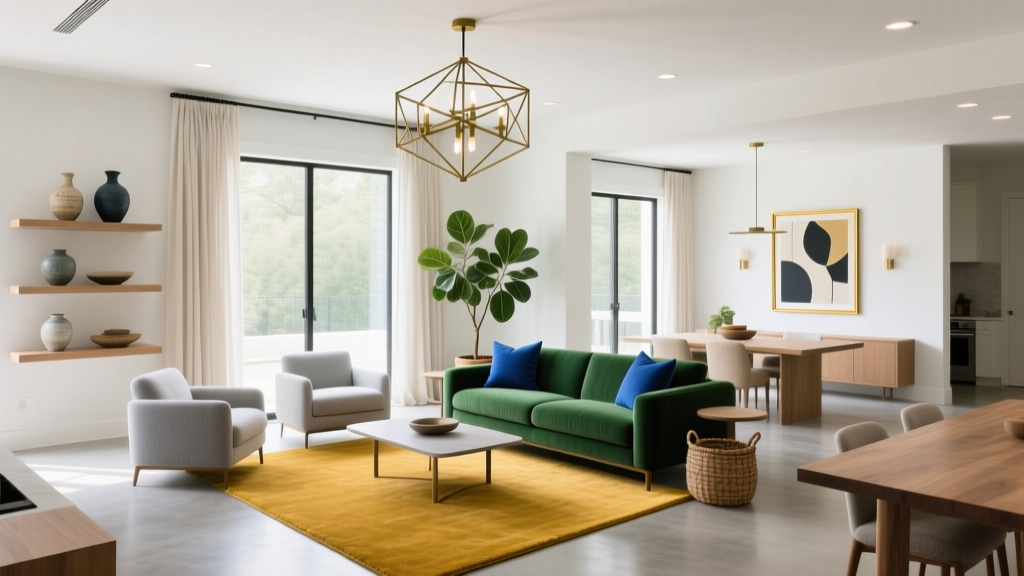
Minimalist Style Guide: Rules for Clutter-Free Living
Minimalism Isn't About Empty Rooms
Real minimalism isn't a white room with one chair and a single succulent. It's about intentionality—keeping only what serves a purpose or brings genuine joy, and designing the rest of your space around those things. The goal isn't deprivation; it's clarity. When every object in your home earns its place, the space feels calm rather than chaotic.
The Edit: Where to Start
Before buying anything new, edit what you already have. Work room by room, category by category. For each item, ask three questions: Do I use this regularly? Does it have sentimental value I can't replace? Would I buy this again today? If the answer to all three is no, it's a candidate for donation. This isn't a one-time purge—it's an ongoing practice of conscious curation.
The One-In, One-Out Rule
For every new item that enters your home, one existing item leaves. This simple rule prevents the slow accumulation that undoes months of decluttering. It also forces you to evaluate whether a new purchase is truly worth displacing something you already own.
Choosing Fewer, Better Pieces
- Sofa: Invest in a high-quality frame with replaceable cushions. A $2,000 sofa that lasts 15 years beats a $500 one replaced every 3 years
- Dining table: Solid wood or stone in a simple silhouette. Avoid trendy shapes you'll tire of
- Storage: Closed storage (cabinets, drawers) hides daily clutter. Open shelving should display only intentional objects
- Lighting: One statement fixture per room, supplemented by functional task lighting
Color and Texture Without Clutter
A minimalist room doesn't have to be monochrome. Use a restrained palette (2-3 colors) and add visual interest through texture rather than pattern overload. A nubby wool throw, a smooth leather chair, a rough linen curtain—these create depth without busyness. Limit patterns to one or two textiles per room. A single geometric rug and striped pillow is enough; add a floral and the room starts to feel crowded.
Daily Habits That Maintain the Look
Minimalist spaces require daily maintenance—not deep cleaning, but small resets. Make the bed every morning. Return items to their designated spots each evening. Wipe counters clear before bed. These two-minute habits keep the space feeling intentional rather than neglected. The difference between "minimalist" and "sparse" is care.
Displaying What Matters
Minimalism doesn't mean bare walls. Choose a few meaningful pieces—a photograph from a trip, a painting by a friend, a ceramic bowl from a local artist—and give them space to breathe. A single large artwork on a clean wall has more impact than a gallery wall of twenty small pieces. Let each object tell its story without competing for attention.
More Articles
 Styling For Wood: Practical Principles for Integrating Natural Timber into Modern Interiors
 Home Styling on a Budget: 10 Pieces That Make Any Room Look Designed
 Japandi Style Home: Where East Meets North ? The Decor Mag
 Solutions Buying Guide: How to Evaluate, Compare, and Select Integrated Business Solutions
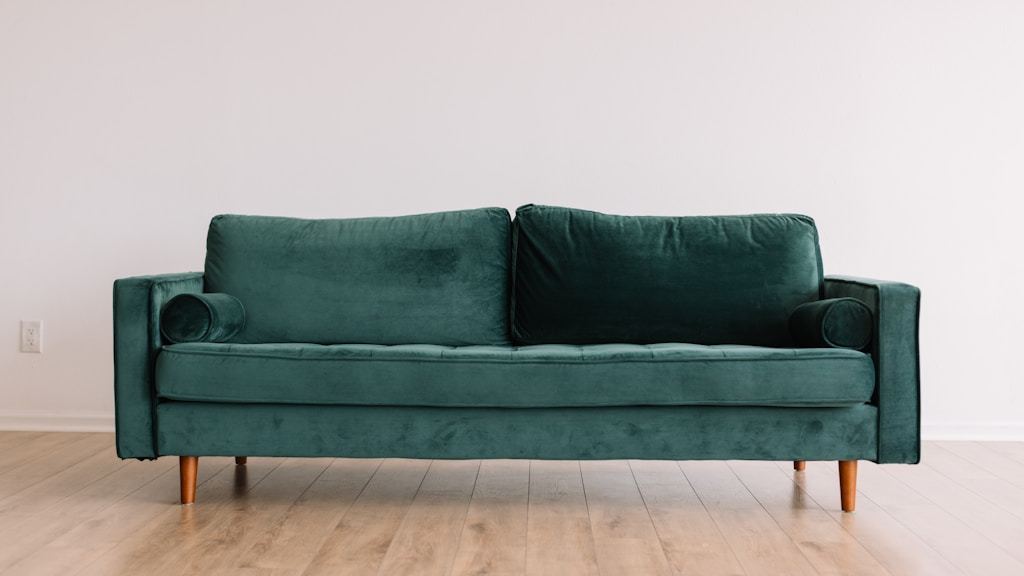 Dog-Friendly Sofa Fabrics: What Survives Claws, Mud, and Shedding Season
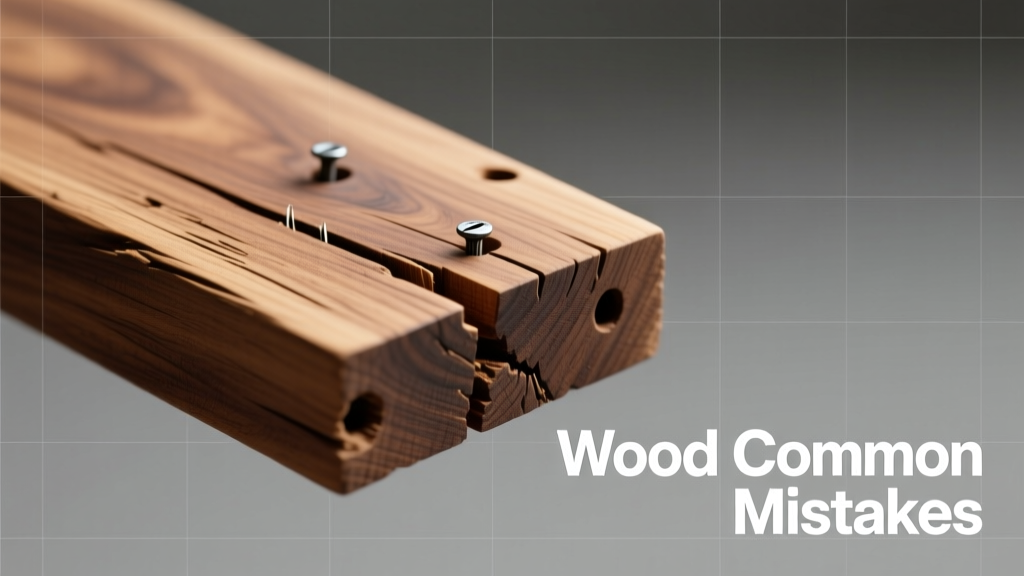 Wood Common Mistakes: How Professionals Avoid Costly Errors in Construction, Millwork, and Finishing
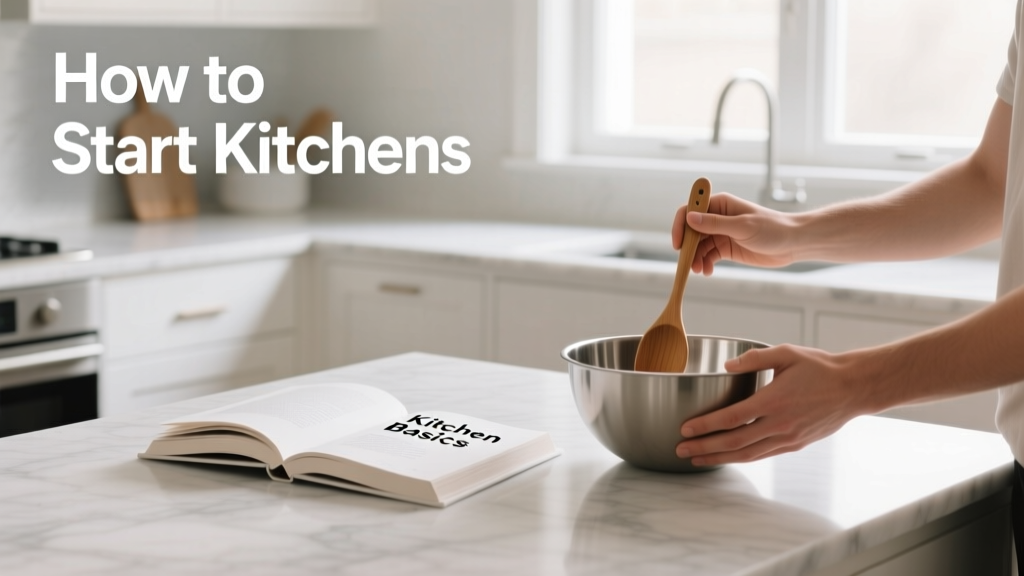 How To Start Kitchens: A Practical, Step-by-Step Blueprint for Launching a Commercial Kitchen Business
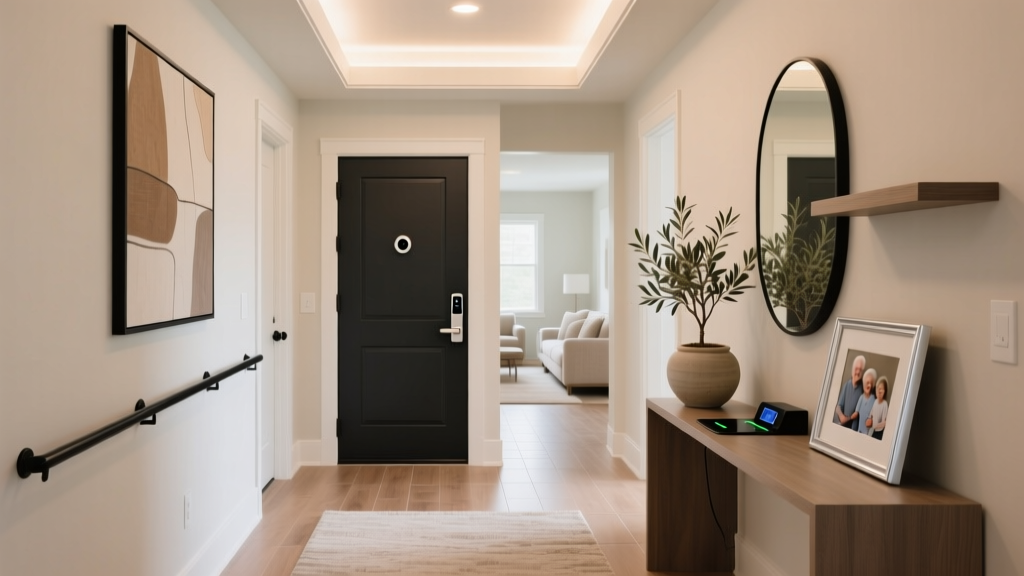 Aging in Place: Entryways & Hallways for Mobility (2026)
 Color on a Budget: Smart, Sustainable, and Scientifically Sound Strategies for High-Impact Design Without the Premium Price Tag
 Pet-Friendly Window Treatments: Fabrics and Blinds That Survive Cats