Transitional Style: Blend Classic and Modern
Understanding Transitional Design
Transitional style sits between traditional and contemporary design, borrowing elements from both without fully committing to either. The result is a space that feels both familiar and fresh, combining the warmth of classic design with the clean lines of modern aesthetics.
The Balance Formula
A successful transitional room follows an approximate 60/40 split between traditional and modern elements. This might mean a room with traditional architectural details like crown molding paired with contemporary furniture, or modern open shelving styled with antique accessories.
- Anchor with one dominant style, then layer in the other as accents
- Use a unified color palette to tie mixed pieces together
- Repeat materials or finishes across different eras to create cohesion
Furniture Pairing Strategies
Mix a tufted traditional sofa with sleek metal-legged coffee tables. Place a modern sectional in a room with ornate fireplace mantels. The key is ensuring that pieces share similar proportions and scale, even when their styling differs. Avoid extremes on either end: no Baroque gilt mirrors next to ultra-minimalist concrete tables.
Color and Pattern Guidelines
Transitional palettes lean toward sophisticated neutrals: taupes, warm grays, navy, and cream. Patterns should be subtle rather than bold. Tone-on-tone textures, small-scale geometrics, and understated stripes work better than large florals or graphic prints. This restraint keeps the space feeling cohesive rather than chaotic.
Lighting as a Bridge Element
Lighting fixtures are ideal transitional pieces because they can incorporate both classic and modern elements. A chandelier with a traditional silhouette but finished in brushed nickel instead of crystal creates that bridge effect. Drum shades in neutral fabrics work well in both traditional and modern settings.
Accessorizing with Intention
Choose accessories that blur the line between eras. A modern abstract painting in an ornate gold frame. Antique books displayed on a floating shelf. Vintage pottery used as vessels for contemporary floral arrangements. These thoughtful combinations are what make transitional design feel curated rather than random.
More Articles
 Best Evidence-Based Literacy Programmes 2026
 Headboard Mistakes 87% of Homeowners Make in 2026
 Coastal vs Beach House Style Explained
 Pet-Friendly Rugs for Claws & Muddy Paws (2026)
 Minimalist Repair Guide for Designers & Developers (2026)
 Japandi Style: A Practical Home Decor Guide
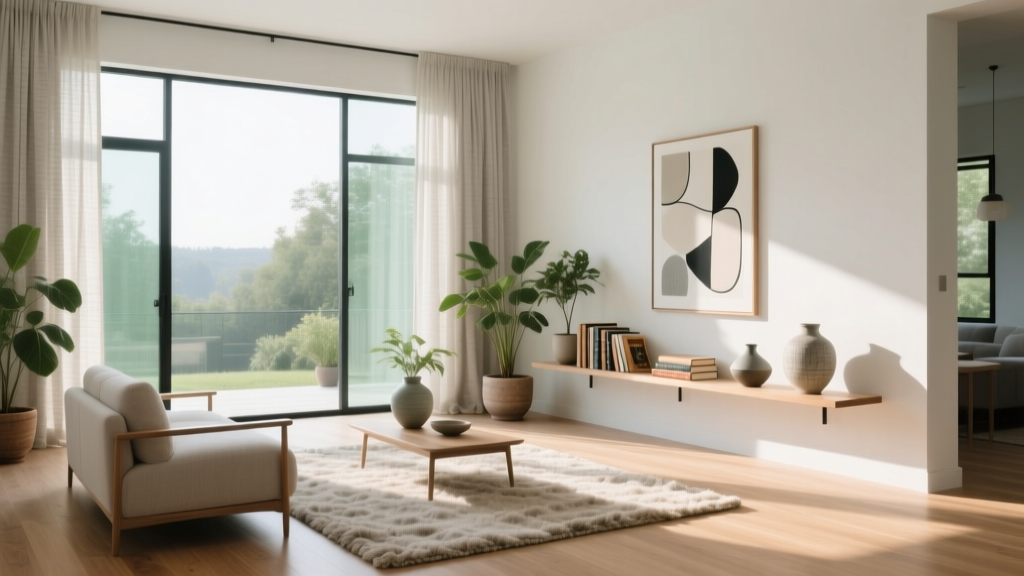 Pet-Friendly Rugs: Style Meets Durability
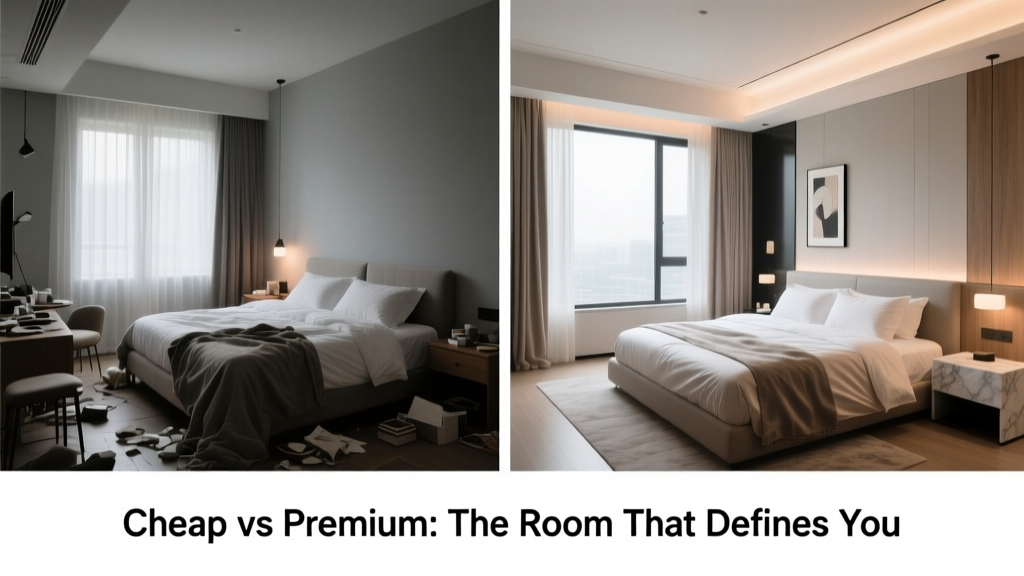 Cheap vs Premium Bedrooms: What You’re Really Paying For
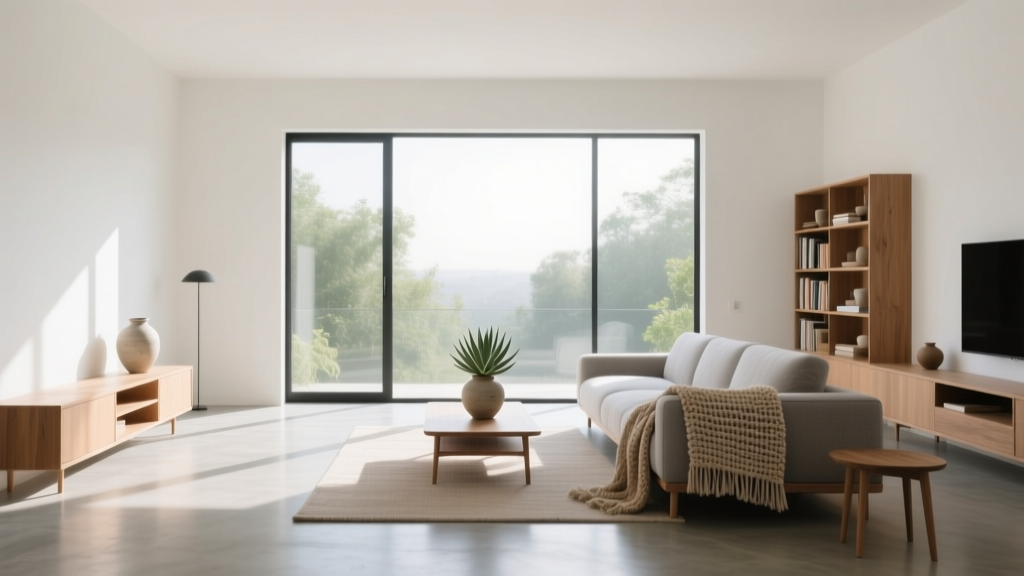 Minimalist Decor on a Budget (2026)
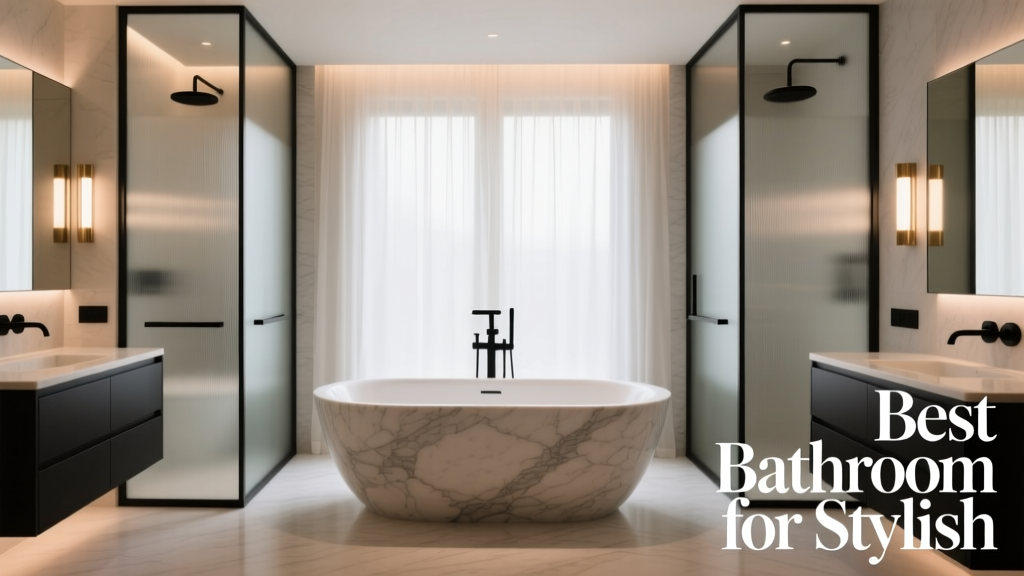 Stylish Bathroom Design 2026: Principles & Materials