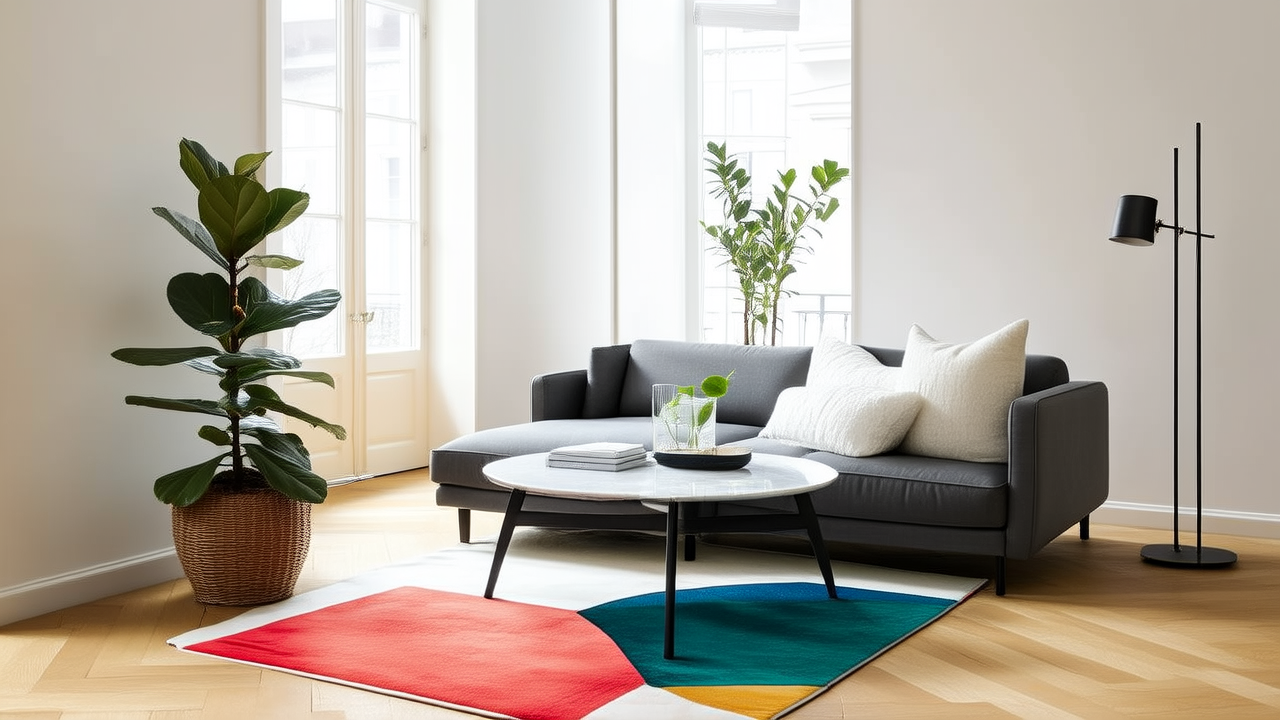
Japandi Style: A Practical Home Decor Guide
What Is Japandi and Why It Works
Japandi is the intersection of Japanese aesthetics (wabi-sabi, natural imperfection, intentionality) and Scandinavian design (hygge, warmth, functional simplicity). Both traditions value natural materials, clean lines, and uncluttered spaces — but they approach warmth differently. Japanese design tends toward cool, meditative restraint; Scandinavian design adds coziness and texture. Together, they create spaces that are both serene and inviting.
The Color Palette
Japandi lives in the warm neutral zone with deliberate restraint:
- Base: Warm whites, soft beige, light oak
- Secondary: Muted gray-browns, charcoal accents
- Accent (sparingly): Deep indigo, forest green, or terracotta — one or two pieces, not a whole wall
The key is low contrast. Unlike Scandinavian design (which often uses black-and-white contrast), Japandi keeps everything in a similar tonal range. The visual effect is calm and continuous.
Furniture: Low, Natural, Intentional
Japandi furniture tends toward low profiles — platform beds, low sofas, floor-level shelving. This reflects the Japanese tradition of living close to the ground and creates a sense of openness and airiness.
- Materials: Light oak, ash, walnut, bamboo, rattan
- Forms: Straight lines with occasional organic curves (a round mirror, a curved bench)
- Quantity: Fewer pieces, higher quality. Every item should earn its place
Textures That Add Warmth
Without texture, a minimalist space feels cold. Japandi layers texture through natural materials:
Linen curtains that filter light softly. Woven baskets for storage. A nubby wool throw on the sofa. Rough ceramic vases. A jute or wool rug. These tactile elements add depth without adding color or clutter.
Wabi-Sabi in Practice
One handmade, imperfect piece — a hand-thrown ceramic bowl, a live-edge wood shelf, a slightly irregular textile — adds the soul that factory-perfect minimalism lacks. This is the wabi-sabi influence: beauty in imperfection.
What Japandi Is Not
It's not empty rooms with one piece of furniture. It's not all-white everything. It's not expensive designer-only. The style is about intentionality: choosing well-made, natural objects and arranging them with breathing room.
Japandi works because it satisfies two human needs simultaneously: the desire for calm order and the desire for warmth. If your space feels too sterile, add more texture. If it feels cluttered, remove items until it breathes again.
More Articles
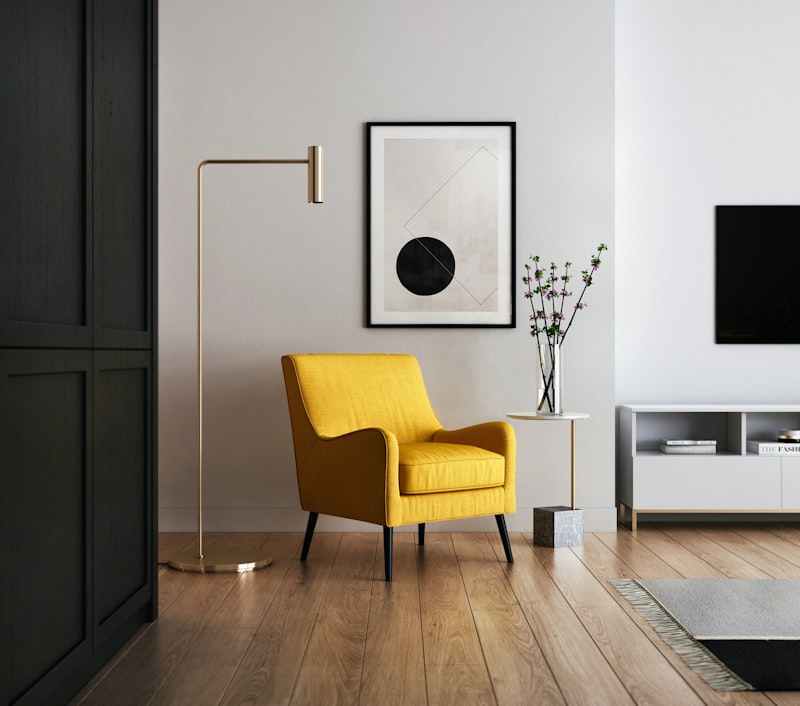 Japandi Living Room Style Guide
 Budget-Friendly Systems Checklist for 2026
 Pet-Safe Indoor Plants for Cats & Dogs (2026)
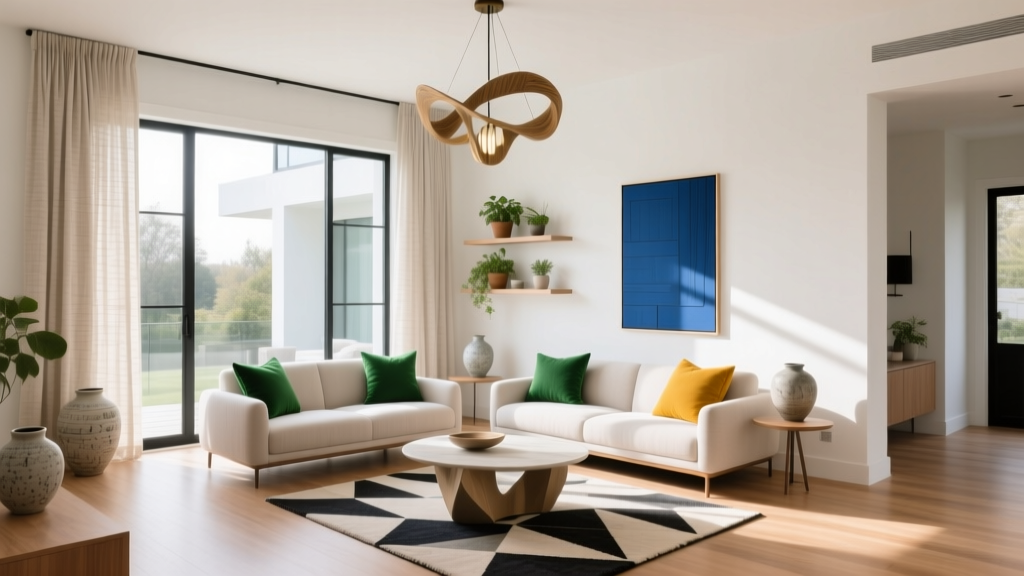 Pet-Friendly Summer Fabrics: Cooling Furniture & Bedding
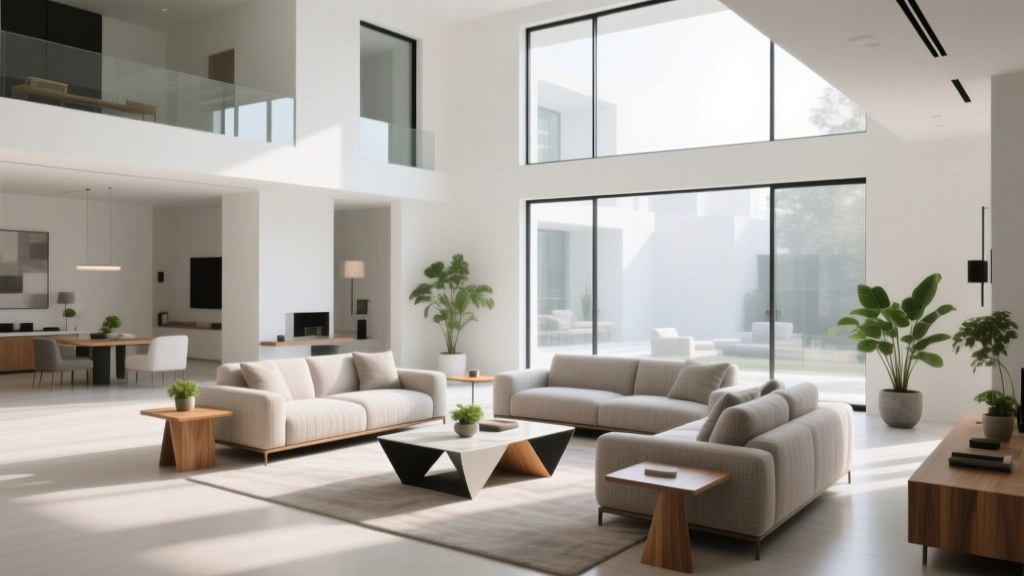 Coastal Grandmother Style: Modern Update
 Family Kitchen Alternatives to Island (2026)
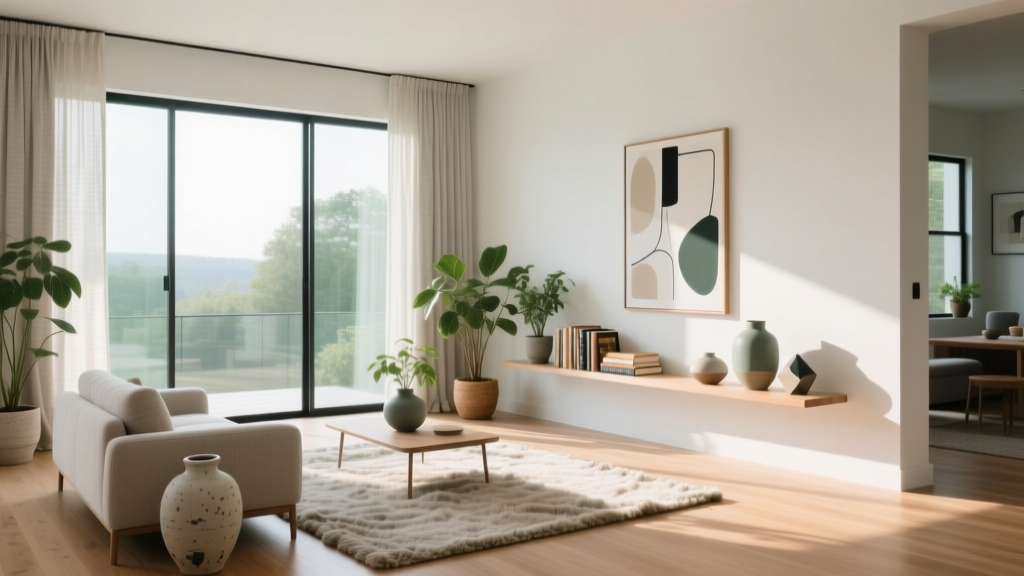 Cat-Friendly Living Room: Style Meets Scratching
 Budget Home Decor 2026: Stylish & Sustainable Refresh
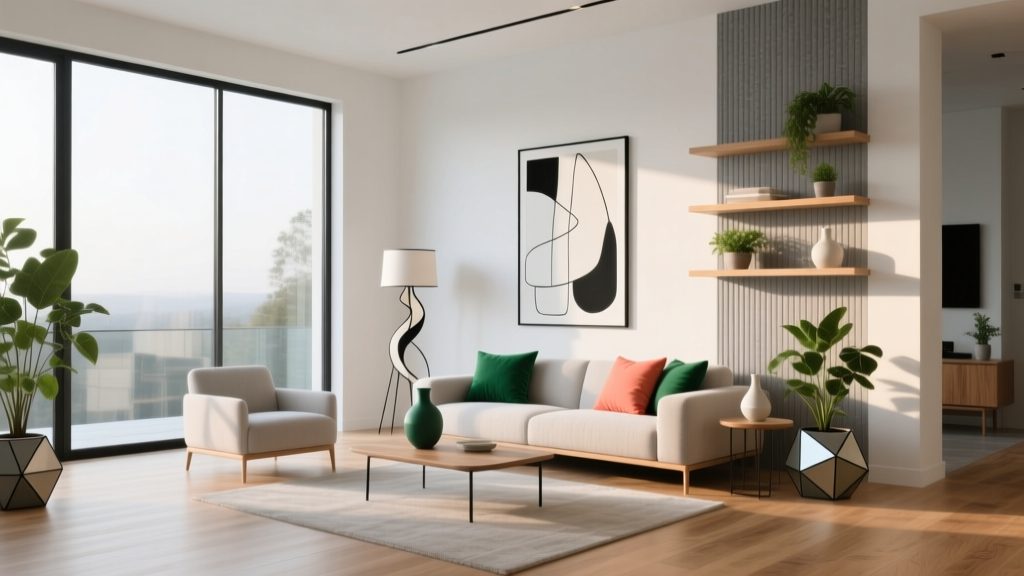 Japandi vs Scandi: Key Style Differences
 Cheap vs Premium Door Hardware: Real 2026 Performance Data