Bedroom Accent Wall Ideas: The Headboard Wall That Wows | The Decor Mag
Bedroom Accent Wall Ideas: The Headboard Wall That Wows
 Priya Sharma

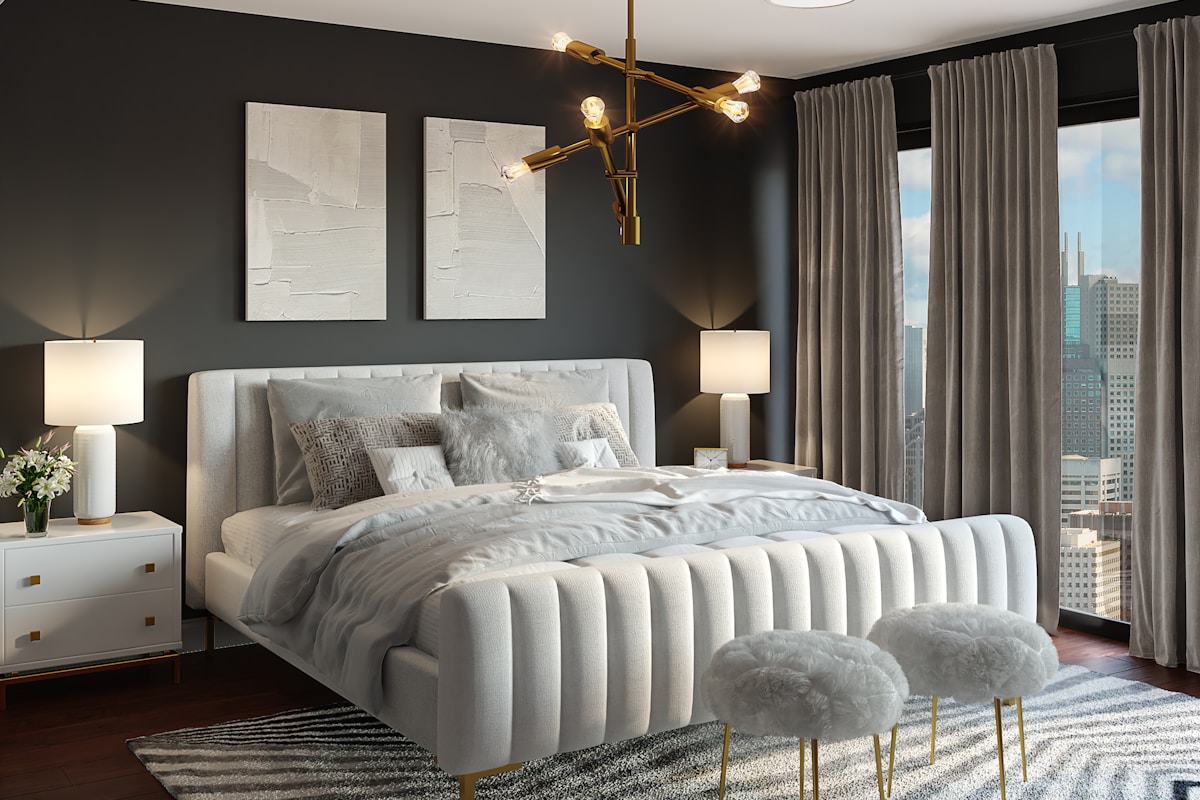
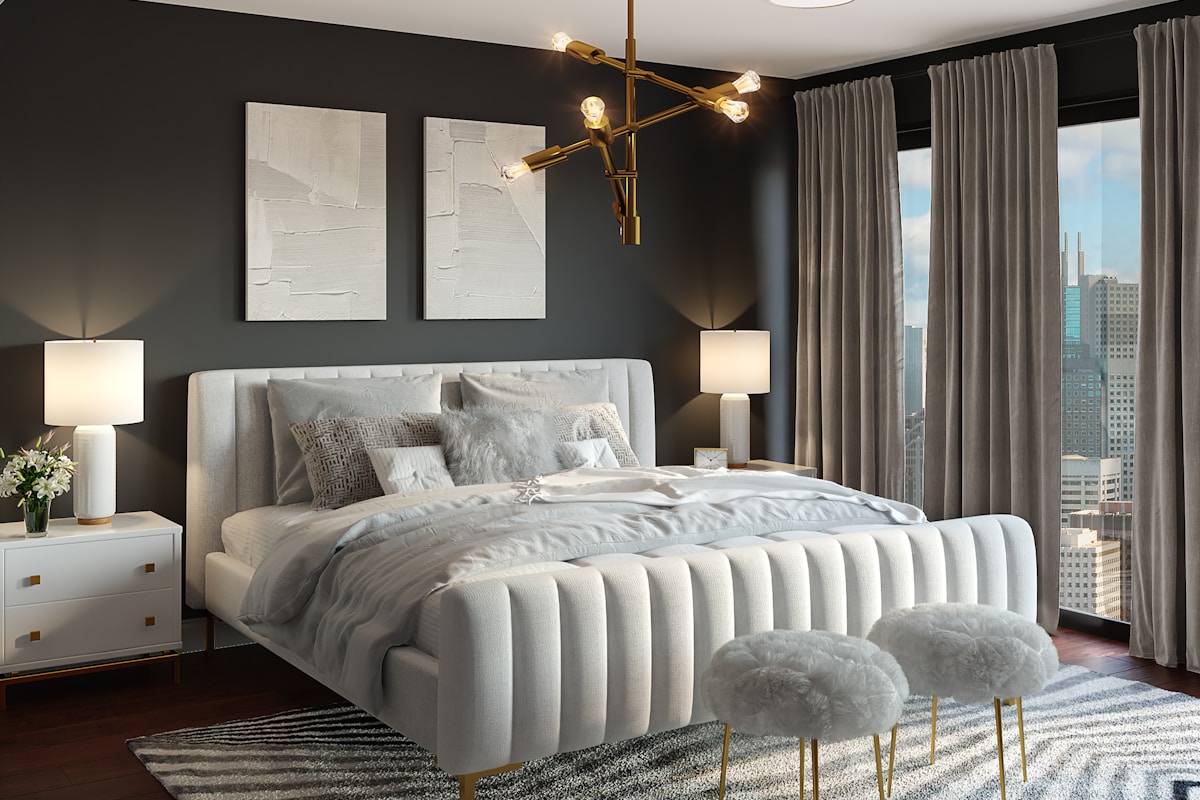
The wall behind your bed is the first thing anyone notices when they walk into the room. It occupies the largest uninterrupted visual plane and sits directly in your line of sight from the doorway. Treating this wall differently from the others -- giving it a distinct color, material, or texture -- creates an instant focal point that anchors the entire bedroom design.
An accent wall does not need to shout to be effective. Some of the most striking bedroom designs use subtle shifts in tone or texture that you sense more than you see. The goal is intentionality: the wall should feel designed, not decorated as an afterthought.
Why the Headboard Wall Deserves Special Treatment
In interior design, every room benefits from a focal point -- a place where the eye naturally lands and settles. Bedrooms, by their nature, already have a built-in focal point: the bed. Emphasizing the wall behind it amplifies this effect and creates a sense of visual hierarchy that feels resolved and purposeful.
Accent walls also serve a practical function. They visually shorten or lengthen a room depending on the color and treatment. A dark accent wall on a narrow bedroom's back wall makes the space feel cozier and more intimate. A light, vertically striped treatment on the same wall makes the ceiling feel taller.
Before choosing your treatment, consider these factors:
- Room size and proportions -- dark colors recede visually, light colors advance
- Natural light direction -- north-facing rooms benefit from warm tones
- Existing furniture colors -- the accent wall should complement, not clash
- Desired mood -- bold patterns energize, soft tones calm
Paint Techniques That Create Drama
Paint remains the most accessible and affordable accent wall treatment. A single gallon costs less than fifty dollars and transforms a wall in an afternoon. But the technique matters as much as the color.
| Finish | Sheen Level | Best For | Durability |
|---|---|---|---|
| Matte/Flat | 0-5% | Rich, deep colors; hiding imperfections | Low |
| Eggshell | 10-25% | Warm, inviting tones; moderate traffic | Medium |
| Satin | 26-35% | Areas needing occasional wiping | Medium-High |
| Velvety emulsion | 5-10% | Luxurious depth; sophisticated look | Medium |
Color-blocking is another approach worth considering. Instead of painting the entire wall one color, paint a large rectangular or arched shape behind the bed in a contrasting shade. This technique, popularized by Scandinavian designers, creates the feeling of an accent wall without covering the entire surface.
Wallpaper: Pattern, Texture, and Peel-and-Stick
Wallpaper brings something paint cannot: pattern and depth. A well-chosen wallpaper on the headboard wall transforms a bedroom from ordinary to editorial. The pattern scale matters enormously -- large-scale patterns feel bold and modern, while small-scale patterns read as texture from a distance.
Peel-and-stick wallpaper has revolutionized this category. Renters and commitment-phobic decorators alike can now install and remove wallpaper without damage. The quality has improved dramatically, and many peel-and-stick options are indistinguishable from traditional paste wallpaper once installed.
When selecting wallpaper for a bedroom accent wall:
- Start with mood: Do you want the room to feel energized or calming? Geometric patterns lean energetic; organic patterns lean peaceful.
- Test samples at home: Wallpaper looks different under store lighting than in your bedroom. Always order a sample and tape it to the wall for at least two days.
- Consider the repeat: Pattern alignment affects how much wallpaper you need. Large repeats require more material and may generate more waste.
- Match to your bedding: The wallpaper should complement your bedding, not compete with it. If the wallpaper is busy, keep bedding simple.
Wallpaper is the jewelry of interior design. It should be the piece that catches your eye and makes you pause. In a bedroom, that pause should feel like a deep breath.
-- Amara Osei, Wallpaper Designer and Textile Artist, London
Wood Paneling and Slatted Walls
Wood paneling on the headboard wall brings warmth, texture, and architectural interest that paint and wallpaper cannot replicate. The natural grain of wood adds visual depth, and the material itself creates a tactile quality that feels grounded and organic.
Slatted wood walls -- thin vertical strips of wood spaced evenly -- have become one of the most requested bedroom features. They add rhythm and shadow lines that change throughout the day as light shifts across the surface. Available in oak, walnut, pine, and bamboo, slatted panels range from DIY-friendly to fully custom installations.
Full wood paneling offers a different effect. Tongue-and-groove boards installed horizontally create a cozy, cabin-like feel. Vertical installation feels more formal and elongates the space. Reclaimed wood paneling adds character and environmental consciousness, though it requires more preparation work.
Budget-Friendly Wood Alternative
Medium-density fiberboard (MDF) panels can be routed to mimic real wood grain and then stained. The result looks convincing from a normal viewing distance and costs roughly 40% less than solid wood paneling.
Textured Finishes: Plaster, Lime Wash, and Beyond
Textured wall finishes have experienced a strong resurgence. Lime wash paint creates a soft, mottled effect that changes with the light. Venetian plaster produces a polished, marble-like surface. Microcement offers an industrial-modern finish that pairs beautifully with minimal furniture.
These finishes share one quality: they look different from every angle and at every time of day. Morning light catches the texture differently than evening light, giving the wall a living quality that flat paint cannot achieve.
Application considerations:
- Lime wash requires two to three coats and a wax seal for durability
- Venetian plaster is best applied by a professional for optimal results
- Textured paint rollers can simulate some effects at a fraction of the cost
- All textured finishes benefit from directional lighting that casts subtle shadows
Artwork and Gallery Walls as Accent Features
Sometimes the most powerful accent wall treatment is not a wall treatment at all. A carefully curated collection of artwork, photography, or textiles can serve the same focal-point function while offering the flexibility to change as your tastes evolve.
For a gallery wall behind the bed, follow these guidelines:
- Keep the arrangement symmetrical for a calm, ordered feel
- Use frames in the same finish for cohesion, or vary them intentionally for eclecticism
- The combined width of the gallery should be roughly two-thirds the width of the bed
- Hang the center of the arrangement at eye level when standing, not at sitting height
A single oversized artwork -- at least 36 inches wide -- can be equally effective. Large-scale abstracts, landscape photography, or textile pieces hung without frames create a bold statement that rivals any wallpaper or paneling treatment. The key is scale: artwork that is too small for the wall feels lost rather than intentional.
More Articles
 Cozy Bedroom Decor: Layers of Comfort | The Decor Mag
 Bedroom Plant Decor: Greenery for Better Sleep — The Decor Mag
 Bedroom Lighting Ideas: Beyond the Bedside Lamp ? The Decor Mag
 Guest Bedroom Ideas: Hosting in Style | The Decor Mag
 Bedroom Color Ideas: Palettes That Promote Rest | thedecormag.com
 Minimalist Bedroom Style: Calm Through Restraint | The Decor Mag
 Bedroom Furniture Layout: The Optimal Arrangement | The Decor Mag
 Bedroom Closet Organization: From Chaos to Curated | The Decor Mag
 Bedroom Reading Nook: Your Private Escape — The Decor Mag
 Bedroom Color Ideas: Palettes That Promote Rest ? The Decor Mag