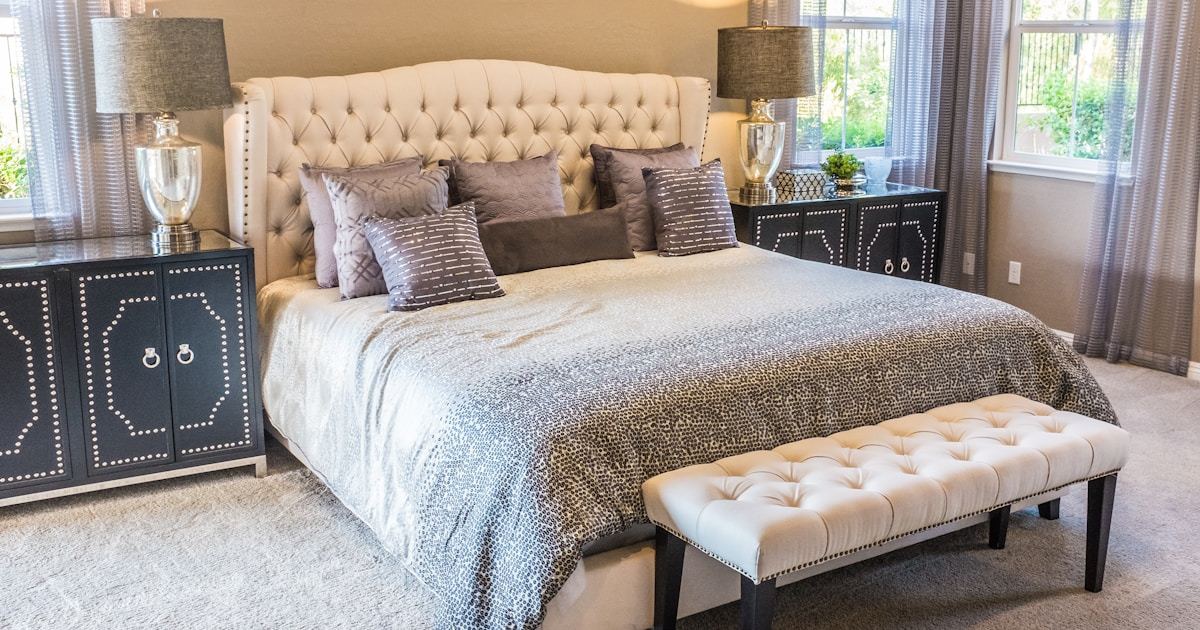
Adjustable Height Beds: Independent Sleep Solutions for Seniors and Caregivers
Sleep Independence Matters More Than You Think
When a hip replacement makes climbing into a standard-height bed a nightly struggle, people start sleeping in the recliner. The poor support causes back pain that compounds the original problem. The solution is an adjustable height frame that looks like regular bedroom furniture but raises and lowers with a remote control.
Key Features That Actually Matter
Height Range
The most important spec is the minimum and maximum height from floor to mattress top. For independent transfers, the bed surface should match the user knee height when standing. Most adults need 20-25 inches minimum. The ideal range is 18-30 inch adjustment.
Head and Foot Articulation
Being able to raise the head 60-70 degrees helps with acid reflux, sleep apnea, and reading in bed. Foot elevation (30-45 degrees) reduces leg swelling and improves circulation. Dual articulation on queen and king sizes lets each side adjust independently.
Remote Control Design
The best remotes have large, backlit buttons, preset positions (flat, zero-gravity, reading), and a one-touch flat button for emergencies. Avoid models that require a smartphone app.
Styles That Do Not Look Medical
Upholstered headboards, wood-look side rails, and neutral fabric finishes make adjustable beds indistinguishable from standard bedroom furniture. Some models include built-in USB ports and under-bed lighting.
The Cost Reality
Quality adjustable frames range from $800 (twin, basic) to $3,500 (king, full feature). This is less than a year of in-home care, and it preserves independence.
More Articles
 Designing Alternatives to the Traditional Bedroom: Smart, Adaptive, and Human-Centered Sleep Spaces
 Japandi Bedroom Style: Minimalist Warmth
 How To Match Smart With Options: A Practical Guide to Bedroom Tech Integration Without Compromise
 Rooms for Beginners: Practical, Comfort-First Bedroom Setup Guide
 Pet-Friendly Bedroom: Where Should Your Pet Sleep?
 Organization and Lighting Compared: How Strategic Placement, Layered Illumination, and Measured Storage Transform Bedroom Comfort
 Bedroom Accent Wall Ideas: Headboard Wall That Wows
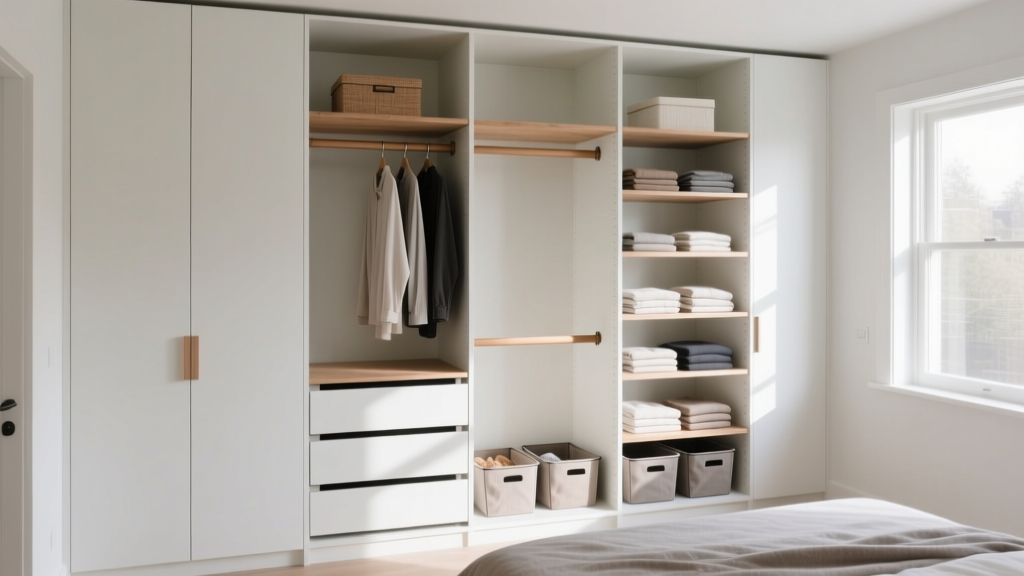 Bedroom Closet Design for Limited Mobility: Pull-Down Rods and Open Shelving
 Cozy Bedroom Decor: Layers of Comfort | The Decor Mag
 Bedroom Wall Color Trends for 2026