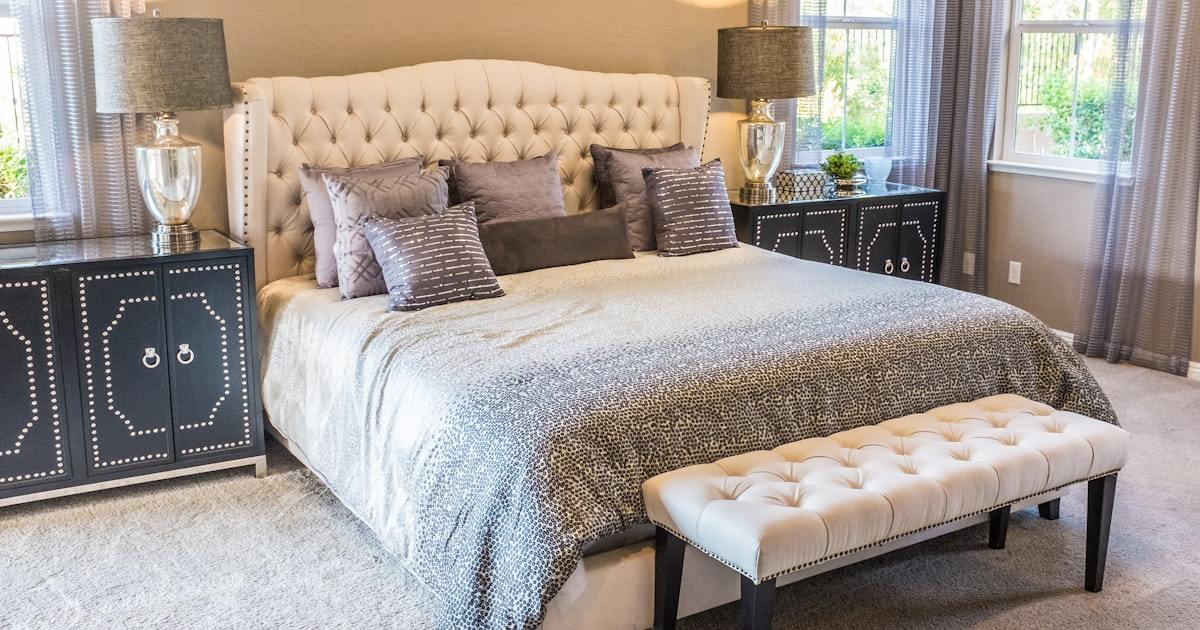
Ageless Bedroom Design: Comfort and Accessibility at Every Stage
Designing for the Long Game
Most bedroom design advice assumes a user in their 30s—someone who can bend, reach, and navigate in the dark without thinking twice. But the bedrooms we design today should serve us for decades, adapting to changing mobility, vision, and comfort needs without ever feeling like a hospital room.
The concept I advocate for is "invisible accessibility"—design choices that improve function for everyone at every age, but look like pure style decisions.
Lighting: The Most Underrated Accessibility Feature
As we age, our eyes need 3x more light to read comfortably. But harsh overhead lighting disrupts sleep. The solution is layered, controllable lighting:
- Bedside sconces with adjustable arms: Direct reading light without glare, reachable from a lying position
- Motion-activated path lighting: Low-level LED strips under the bed frame or along baseboards that activate when feet hit the floor—essential for nighttime bathroom trips
- Dimmer on every switch: Not a luxury. A necessity. Morning light needs are different from midnight needs
- Color temperature control: Warm (2700K) for evening wind-down, neutral (3500K) for morning dressing. Smart bulbs make this effortless
Furniture Height: The Goldilocks Zone
Bed height matters enormously and is almost never discussed. Too low (under 20 inches) makes rising difficult for anyone with knee or hip issues. Too high (over 28 inches) creates a fall risk.
The sweet spot: 24-26 inches from floor to top of mattress. This allows most adults to sit on the edge with feet flat on the floor and stand up using leg strength rather than arm momentum.
Nightstands should be level with or slightly above the mattress top (not below)—reaching down from bed to a low nightstand strains shoulders and risks knocking items off.
Storage That Doesn't Require Gymnastics
The traditional bedroom storage setup—deep closet shelves, high dressers, under-bed boxes—assumes full mobility. Better alternatives:
- Pull-out closet systems: Bring clothes to you rather than reaching into darkness
- Dresser drawers at mid-height: The most-used items in the middle drawers (waist to chest height), less-used items in top and bottom
- Open shelving for daily items: Jewelry, watches, glasses—things you reach for every morning—on an open shelf at chest height rather than in a closed drawer you have to remember to open
Comfort That's Not About Luxury—It's About Health
An ageless bedroom prioritizes physical comfort as a health intervention, not an indulgence:
Temperature control: A ceiling fan with a remote (no chain to reach), blackout curtains that also insulate, and a programmable thermostat in the bedroom.
Flooring transitions: If your bedroom has carpet and the hallway has hard flooring, ensure the transition strip is flush (no trip hazard). Low-pile carpet with firm padding provides cushioning for falls while remaining easy to navigate with mobility aids.
Seating: A bedroom chair isn't just decorative. It's essential for dressing, resting, and giving your body a position change. Choose one with arms (easier to rise from) and a seat height of 18-20 inches.
The best bedroom design is one you never outgrow. It simply supports you, quietly and beautifully, through every season of life.
More Articles
 Master Bedroom Color Palettes That Calm
 Canopy Bed Styling Ideas for Any Room
 Science Safety Tips: Evidence-Based Protocols for Home and Classroom Laboratories
 Cooling Bedroom Design: Linen, Bamboo, and Breathable Materials for Hot Summer Nights
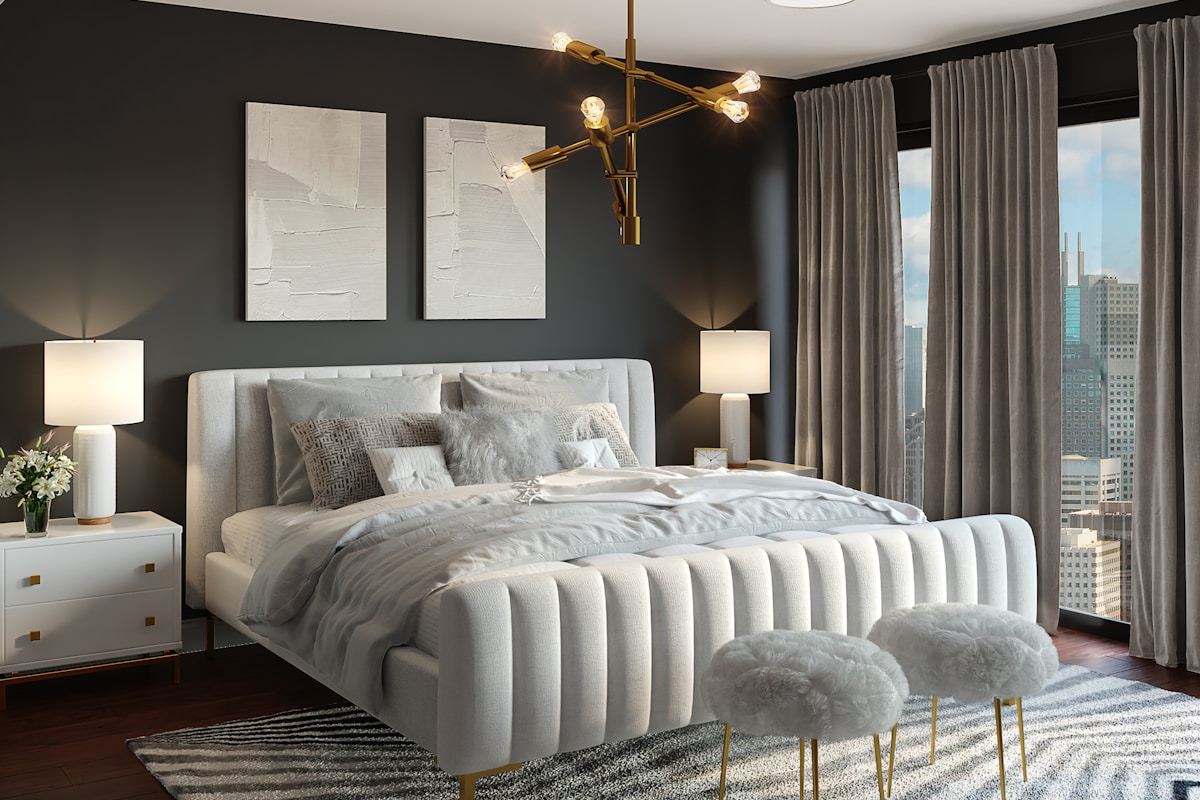 Bedroom Window Treatments: Light Control & Style
 Bedrooms FAQ Answered: Science-Backed Answers for Sleep Quality, Layout, and Comfort
 Bedroom Reading Nook Ideas You'll Actually Use
 Reading Nook in Bedroom: Corner Designs for Small Spaces
 Small Bedroom Closet Storage Solutions
 Family Bedroom Ideas Kids and Adults Love