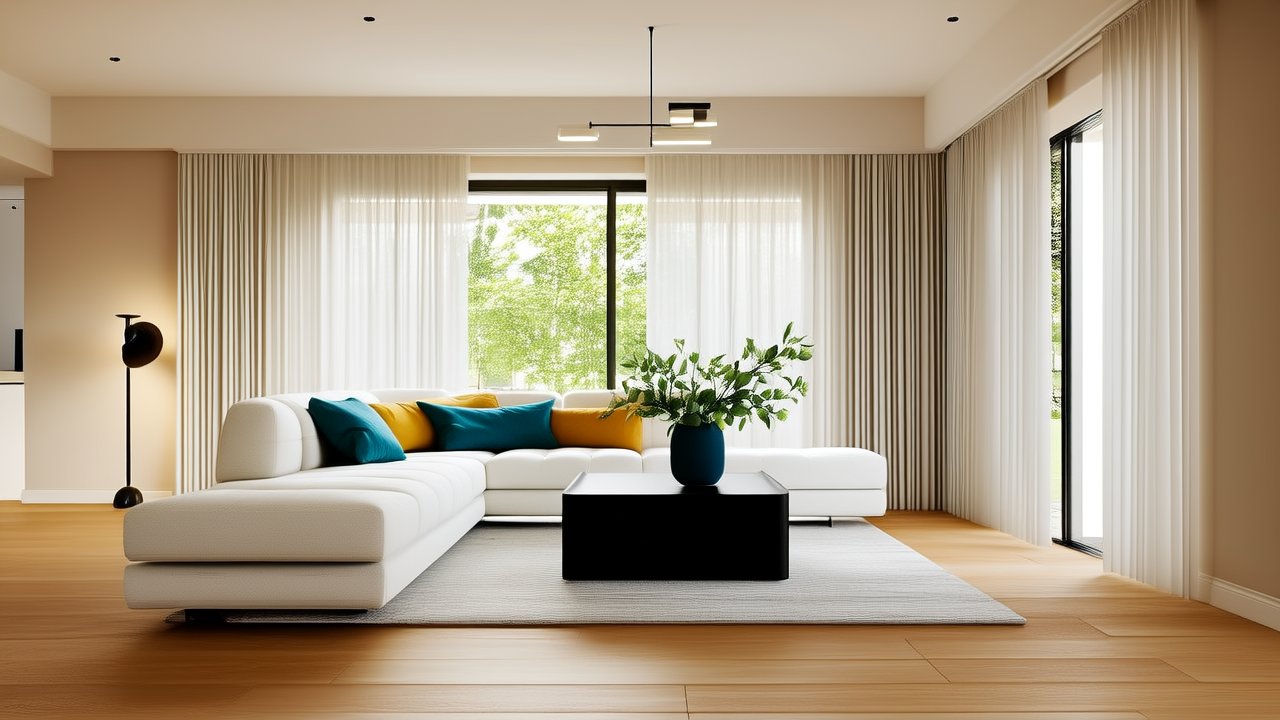
Bedroom Textures: Layering for Cozy Nights
Why Texture Transforms Bedrooms
A bedroom with a flat color palette can feel cold and impersonal, even when the colors are warm. Texture adds depth and invites touch, turning a visually pleasant room into one that feels physically inviting. Layering different textures engages multiple senses and creates the cozy atmosphere that makes you want to stay in bed longer.
Starting with Bedding Layers
Your bed is the largest textile surface in the room, making it the foundation for texture layering. Start with crisp cotton or linen sheets, add a lightweight duvet, then layer a chunky knit throw or quilted coverlet at the foot of the bed. Each layer should feel different to the touch.
- Linen sheets wrinkle beautifully and soften with every wash
- Waffle-weave blankets add visual texture without heavy weight
- Velvet or corduroy pillow covers introduce luxe tactile contrast
Rug Textures Underfoot
Step out of bed onto something soft. A high-pile Moroccan-style rug feels luxurious against bare feet. For a more structured look, a flatweave kilim adds pattern and texture without the maintenance of a deep-pile rug. Layer a smaller plush rug on top of a larger natural fiber rug for both texture contrast and zone definition.
Window Treatments with Texture
Curtains add significant texture to a bedroom. Linen curtains filter light beautifully and develop a soft drape over time. Velvet blackout curtains add weight and luxury while blocking light for better sleep. Sheer panels layered behind heavier drapes create depth at the window.
Wall Texture Options
Walls do not have to be smooth painted surfaces. Grasscloth wallpaper adds natural fiber texture. Fabric wall coverings in linen or silk create warmth and absorb sound. Even a textured paint technique like limewash or Roman clay adds depth that flat paint cannot achieve.
Accent Textures in Accessories
Woven baskets as storage, ceramic lamps with rough glazes, and wooden nightstands with visible grain all contribute to the textural story. Avoid having every surface be smooth: mix rough, soft, nubby, and sleek materials throughout the room for a balanced, layered effect.
More Articles
 Senior Bedroom Lighting Tips for Comfort
 Best Bedroom Kitchens 2026: Compact, Safe & Stylish
 2026 Bedroom Safety Tips for All Ages & Abilities
 Small Bedroom Style: Comfort Meets Space
 2026 Summer Bedding Swaps for Cooler Sleep
 Japandi Bathroom Essentials: Minimalist Comfort
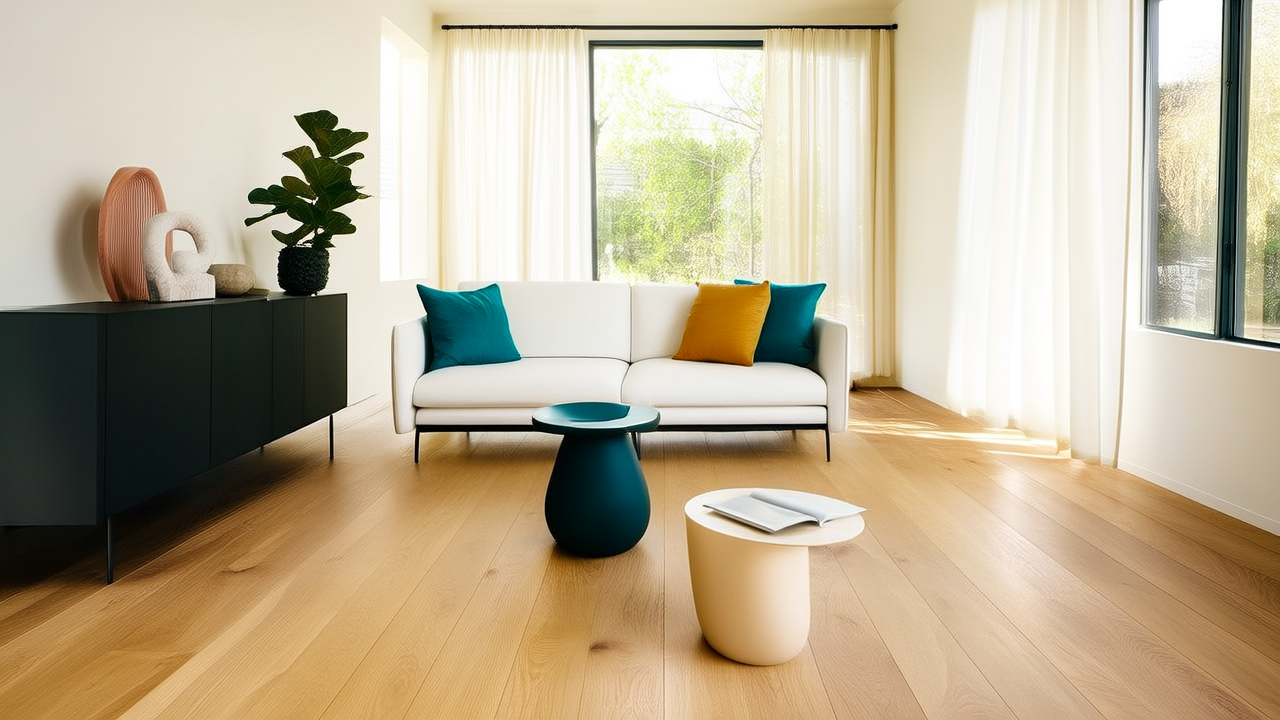 Dark Bedroom Colors That Feel Cozy
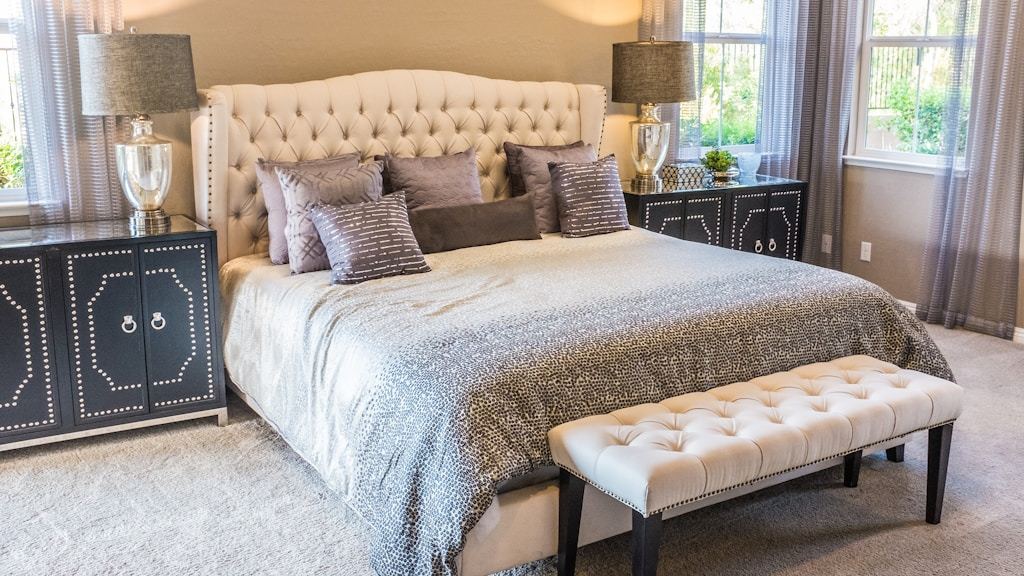 Rounded Edge Bedroom Furniture for Safety in 2026
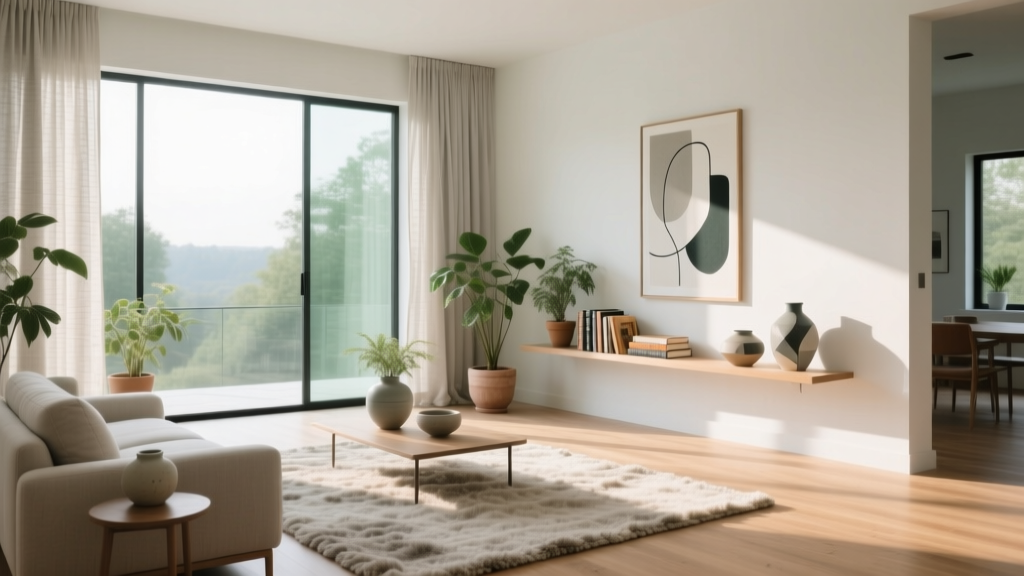 Headboard Styles That Transform Bedrooms
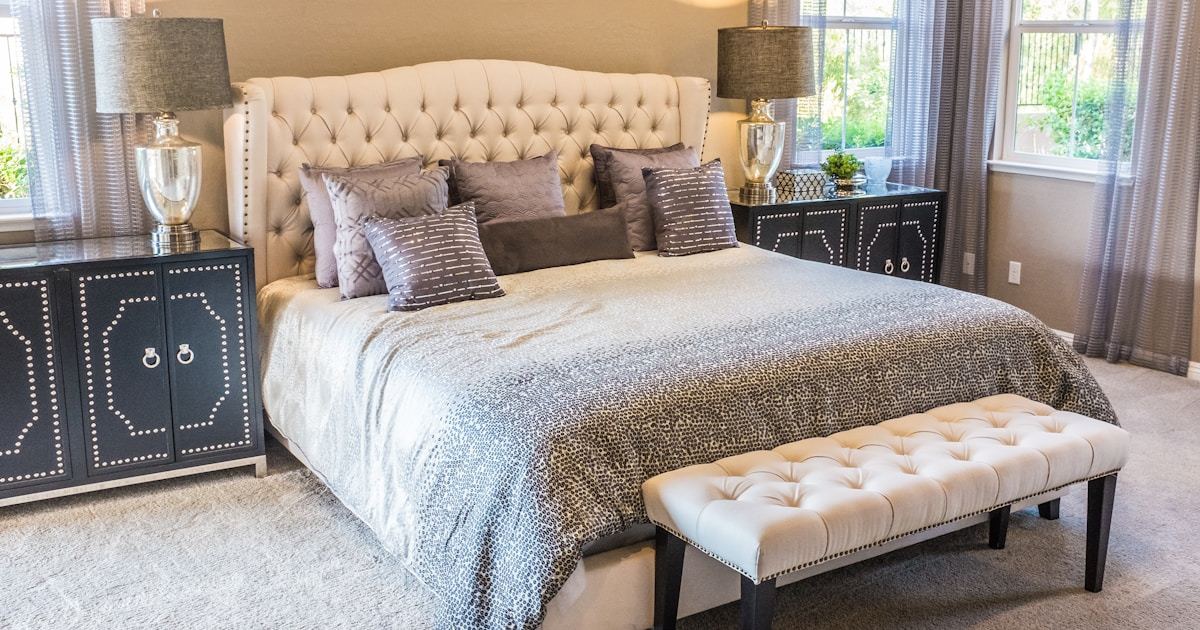 Adjustable Height Beds for Seniors & Caregivers (2026)