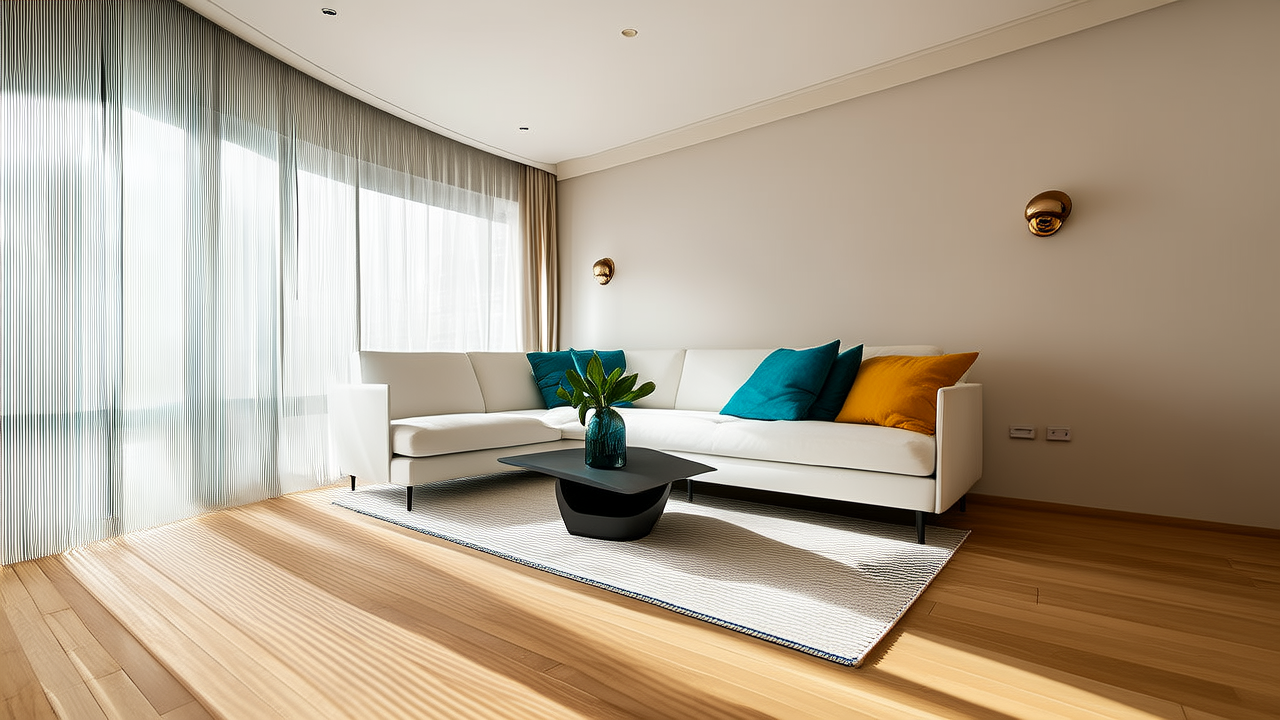
Small Bedroom Style: Comfort Meets Space
Small bedroom design works best when you follow one clear style guide instead of collecting random decor. A style guide controls bed size, walkway width, nightstand depth, duvet overhang, lighting height, rug scale, and storage depth so the room feels restful, not compressed. In a 10 by 10 foot room, a 60 by 80 inch full bed, 24 inches of side clearance, and a 5 by 8 foot rug can make more difference than a new wall color. The goal is comfort first: enough room to move, enough soft layers for sleep, and enough visual calm to reduce stress. This article gives practical rules for small bedrooms using real measurements, brand examples, and layout choices that keep the space breathable.
Why Small Bedrooms Need a Style Guide, Not Just Decor Ideas
A style guide is a decision-making framework, not a mood board. It helps you choose whether the room should feel crisp, warm, organic, or hotel-like before you buy furniture. In a small bedroom, every object has a visual and physical cost. A bulky headboard can consume 6 inches of floor length. A dark rug can shrink the room. A 22-inch dresser can turn a 24-inch walkway into a squeeze. The best small bedroom style guide solves these problems first, then adds personality through bedding, lighting, and texture.
The most useful guides also keep comfort central. A small room that is beautiful but hard to move through is not restful. A room with good circulation, proper mattress support, breathable sheets, and soft lighting feels larger because your body relaxes. That is the difference between a styled photo and a livable bedroom.
Measure the Room Before Choosing Furniture
Small bedrooms fail when people buy furniture by eye. Start with a floor plan and use painter tape to mark the bed footprint on the floor. For a twin XL, subtract the mattress length from the wall distance: 80 inches is 6 feet 8 inches, so a 9-foot wall leaves only 28 inches at the foot. A queen mattress is 60 by 80 inches, but a comforter can add 6 to 12 inches at the sides and foot. If the bed touches a door swing, the room will feel blocked even if the mattress fits. Use a 24-inch minimum walkway on at least one side; 27 inches is better for a shared room or if you need to dress beside the bed. A 12-inch path is acceptable only for a guest room where you rarely move.
Comfort Measurements That Matter
Height matters as much as width. A 27-inch platform bed keeps the room open, while a 14-inch storage bed with a thick 12-inch Casper One mattress sits at 26 inches, close to a standard chair seat. If you have low ceilings, such as 8 feet, avoid tall upholstered headboards over 52 inches. A 42-inch headboard gives back support without swallowing the wall. Nightstand depth is another comfort rule: 15 to 18 inches is usually enough for a phone, book, and lamp. A 20-inch deep nightstand can push the bed toward the doorway. For under-bed storage, allow at least 11 inches of clearance for a 10-inch IKEA SKUBB-style box, or use a slatted bed base with shallow drawers.
| Element | Minimum | Ideal | Comfort note |
|---|---|---|---|
| Side walkway | 24 inches | 27 to 30 inches | Lets you change clothes without squeezing past the bed. |
| Foot passage | 18 inches | 24 inches | Prevents a duvet edge from hitting a dresser or chair. |
| Nightstand depth | 14 inches | 16 to 18 inches | Keeps essentials close without narrowing the bed path. |
| Rug size | 5 by 8 feet | 8 by 10 feet | In a 10 by 10 bedroom, an 8 by 10 rug under the bed visually expands the floor. |
| Door clearance | 2 inches past door swing | 6 inches | A door hitting a rug or nightstand creates daily friction. |
Pick One Style Guide for Small Bedrooms
A style guide is a set of repeated materials, colors, furniture lines, and soft goods that make the room feel intentional. For small rooms, repetition reduces visual noise. Choose one of these four bedroom comfort style guides and follow it for bedding, lighting, storage, and accessories. Do not mix all of them at once. If you are unsure, start with Minimalist Neutral because it has the lowest risk of clutter and the easiest way to add softness.
Minimalist Neutral Comfort
Minimalist Neutral uses low-contrast colors, smooth cotton, light wood, and uncluttered lines. A good formula is a 54 by 75 inch twin XL or 60 by 80 inch full bed with a white 10-inch Casper Original mattress, a gray wool throw, and a pale oak nightstand. Use IKEA LACK side tables, 15 to 17 inches wide, or HAY Tray Table if you want a smaller footprint. Bedding should be simple: Brooklinen Core sheets in a 300 thread count cotton percale, a white duvet, and one folded blanket at the foot. Avoid heavy patterns. This guide works in rooms 8 by 10 feet or smaller because white, cream, and light gray reflect light and make walls feel farther apart.
Warm Textile Modern
Warm Textile Modern adds texture without adding visual weight. The base is the same compact bed, but you introduce oatmeal boucle, linen, and walnut. Pottery Barn Juniper bed or West Elm Andes platform bed are examples of frames with a warm silhouette. Pair them with a Parachute linen duvet cover and a Bearaby Napper weighted blanket in a mid-tone color. The key is scale: choose one statement textile, not five. A 50 by 60 inch pillow at the head and a 20 by 26 inch lumbar pillow are enough. Use a 30 by 42 inch throw folded neatly over the foot. This style guide feels cozy in a 10 by 12 bedroom because the materials create warmth without needing many objects.
Organic Calm
Organic Calm brings nature into a small room through light wood, rattan, linen, and plants. For a small footprint, use a Muji PP box in a natural finish under the bed or a Crate and Barrel low-profile wooden nightstand. A rattan headboard, such as one from Serena and Lily, can add airiness because it lets wall color show through. Keep bedding in sage, clay, or oatmeal. Add one real plant, such as a snake plant in a 6-inch pot, not a jungle. This style guide needs discipline: too many woven baskets, ceramic trinkets, and candles will make a 9 by 11 room feel busy. Choose one texture family, one color story, and one plant.
Compact Hotel
Compact Hotel is for people who want a crisp, restful room with minimal visual clutter. The formula uses a low platform bed, a white sheet, a gray or beige duvet, and symmetrical lighting. IKEA MALM bed or Wayfair storage bed can be used, but keep the frame simple. Use a 400 thread count sateen sheet set from Brooklinen or Parachute, a flat white duvet, and one decorative pillow no larger than 18 by 18 inches. Add a small bench only if you have 24 inches of foot passage; a 45 by 18 inch bench fits many 10 by 12 rooms. This guide is best when the room is narrow and you need clear lines.
Layout Rules That Make Small Bedrooms Feel Bigger
Layout is the first style guide decision. In many small bedrooms, the bed should sit against the longest wall or in a corner if the room is under 9 by 11 feet. A 60 by 80 inch full bed placed in the corner leaves 40 to 48 inches of open floor, depending on the room. If you need two people to move, center the bed only if both sides have 24 inches. A 10 by 10 room with a 54 by 75 inch twin XL can leave 27 inches on each side and 25 inches at the foot, which feels generous. For a 10 by 12 room, a 66 by 80 inch queen is possible, but you lose space for a dresser; use a slim 24-inch deep dresser or a wall-mounted floating nightstand instead.
- Use one primary circulation path at least 27 inches wide, and keep secondary paths above 18 inches.
- Choose a bed length of 75 inches for twin XL or 80 inches for full and queen; measure door swings before buying.
- Keep furniture depth under 20 inches when possible: a 16-inch dresser is better than a 22-inch chest in a narrow room.
- Float a nightstand only if the bed is centered; in tight rooms, wall-mounted shelves or a small stool outperform bulky tables.
- Align the rug with the bed, not the walls, to create a soft landing without shrinking the floor.
Bedding, Mattress, and Pillow Comfort for Small Rooms
Comfort starts with the sleep surface. In a small bedroom, a mattress that is too tall or too soft can make the bed feel like a bulky island. A 10 to 12 inch mattress is usually the sweet spot for platform beds. Casper Original, Leesa Original, and Helix Medium are common examples around 10 to 12 inches. For side sleepers, a 12-inch memory foam hybrid can feel supportive; for back sleepers, a 10-inch firm hybrid may feel more responsive. Keep the total bed height between 24 and 28 inches from floor to mattress top. If your legs need support, a bed height above 30 inches may require a step or a stool, which wastes floor space.
Bedding should be layered but not heavy. Use a fitted sheet, a flat sheet if you like tucking, a medium-weight duvet, and one throw. A 68 by 86 inch queen duvet gives a 4-inch drop on a 12-inch mattress; for a fuller look, use a 90 by 90 inch duvet with a 5 by 8 foot rug. Pillow comfort is personal, but two sleeping pillows plus one accent pillow is enough. A 20 by 26 inch euro pillow can make a small bed look staged and take up space. Use 18 by 18 inch decorative pillows if you want symmetry without bulk. Brooklinen, Parachute, and Cozy Earth offer sheet sets that fit 10 to 16 inch depths, but check the pocket depth before buying a deep mattress.
Light, Color, and Visual Weight
Small bedrooms need light that reduces shadows and color that recedes. Paint a ceiling a shade lighter than the walls, or keep the ceiling white if you want maximum reflectance. In a room with north-facing light, choose warm whites such as Benjamin Moore White Dove or Sherwin Williams Alabaster to prevent a gray cast. In bright south-facing rooms, use cool whites or pale greige to avoid yellowing. For a 10 by 10 bedroom, three light sources are ideal: overhead, bedside, and a low ambient lamp. A 24-inch diameter flush mount is often better than a bulky chandelier. If you want a pendant, hang it 72 to 78 inches above the floor, or 30 to 36 inches above a nightstand, so it does not block sightlines.
Visual weight matters. A dark navy headboard can anchor a small room, but it also shrinks the wall. If you use dark color, balance it with a light duvet, light rug, and clear glass or metal lighting. A black IKEA KALLAX shelf can feel heavy if it blocks light; a white or light wood version is better for a small bedroom. Keep accessories under 30 percent of visible shelf space. One framed print, one small plant, and one book stack are enough. Curtains should be hung high, 2 to 4 inches below the ceiling, and floor length with a 1 to 2 inch break. In a narrow window, use 1.5 to 2 times the window width in fabric fullness; too little fabric looks cramped, too much adds bulk.
Storage Rules That Keep Small Bedrooms Calm
Storage is not just about hiding things; it is about reducing decision fatigue. Small bedrooms feel calm when most objects have a home. Start with the bed, because it is the largest object. A storage bed with two 40-inch drawers can replace a dresser in a 9 by 11 room. IKEA BRIMNES, Wayfair storage beds, and Pottery Barn storage beds are examples, but check drawer clearance. In a 10 by 10 room, a 59 by 79 inch bed with 14-inch drawers leaves enough room for a 16-inch nightstand. If your ceiling is low, avoid tall armoires; a 30-inch chest is better. Use vertical wall shelves only above the door or beside the bed, and keep shelf depth under 10 inches.
- Measure the object you want to store before buying bins. A 12 by 12 by 6 inch fabric box fits many under-bed spaces, but a 15 by 15 inch box may block drawer clearance.
- Use closed storage for everyday clutter and open storage for beautiful, rarely used items.
- Keep one surface clear: the nightstand should hold a lamp, phone, book, and water glass, nothing else.
- Limit clothing to a seasonal capsule if the room is under 100 square feet; a 24-inch hanging rod can hold 20 to 30 garments depending on thickness.
- Use a wall hook or slim valet stand near the door only if it does not intrude into the 24-inch walkway.
Small Bedroom Style Guide Checklist
Before you buy, test the room with a tape layout and ask whether every item earns its footprint. A small bedroom should feel comfortable when you stand in the doorway, sit on the bed, and move past the nightstand. If a dresser door swings into the bed, the layout is wrong. If a duvet drags on a chair, the bed is too long or the room too small. If a rug edge curls under a nightstand, the rug is too large or the furniture too heavy. The right style guide makes these choices obvious.
For a 10 by 10 room, choose Minimalist Neutral with a 54 by 75 inch twin XL, a 10-inch mattress, 16-inch nightstands, a 5 by 8 foot rug, and one white flush-mount light. For a 10 by 12 room, choose Warm Textile Modern with a 60 by 80 inch full bed, a 12-inch Casper or Leesa mattress, a 60-inch upholstered headboard, and a 6 by 9 foot rug. For a guest room under 9 by 10 feet, use a compact twin XL with a foldable bench, wall-mounted shelves, and a Brooklinen sheet set in a neutral tone. The best small bedroom style guide is the one that keeps the room breathable, soft, and easy to live in.
More Articles
 Cozy Bedroom Ideas for Better Sleep in 2026
 10 Cozy Bedroom Ideas on a Budget for 2026
 2026 Science-Backed Bedroom Layout for Better Sleep & Safety
 Pet Bed Placement Tips for Shared Bedrooms in 2026
 Dark Bedroom Colors That Feel Cozy
 Master Bedroom Decor: Designing Your Retreat ? The Decor Mag
 Built-In Pet Beds: Stylish Spaces for Furry Friends
 Bedroom Style Guide Tools Checklist for Comfort-First Design
 Small Bedroom Closet Organization Hacks
 Ultimate Bedroom Comfort Guide: Science, Ergo, Sustainable