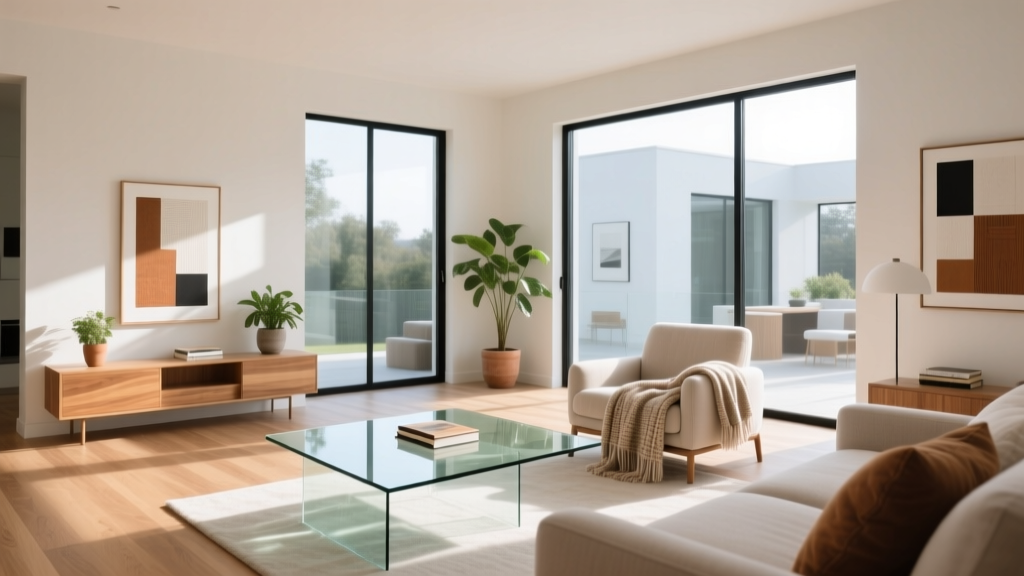
Kid-Friendly Bedroom Ideas That Grow With Your Child
Design for Decades, Not Just Years
The average family spends over $3,000 redesigning their child's bedroom every three to four years. It doesn't have to be that way. With thoughtful planning, you can create a bedroom that transitions smoothly from toddlerhood through the teenage years with nothing more than a fresh coat of paint and updated accessories.
Start With Neutral Bones
The walls, flooring, and major furniture pieces should be in neutral tones — warm white, soft gray, or light wood. These serve as a blank canvas that your child can personalize with bedding, art, and accessories that change with their interests.
The rule: If it's expensive or hard to replace, keep it neutral. If it's easy to swap (pillows, curtains, wall decals), let your child choose bold colors and themes.
Invest in Convertible Furniture
A quality convertible crib that becomes a toddler bed and then a daybed pays for itself three times over. Similarly, a desk that adjusts in height from preschool art station to high school homework hub is worth the premium.
- Dressers: Choose full-size from the start. A toddler's clothes are small, but they grow fast. Use drawer organizers for the early years.
- Beds: Skip the toddler bed entirely and go straight to a full or queen. Use bed rails for safety during the transition.
- Shelving: Install adjustable shelving systems that can be reconfigured as storage needs change from toys to books to display collections.
Create Zones That Evolve
Every child's bedroom needs three zones: sleep, play/study, and storage. The magic is designing these zones so they grow with the child:
Sleep zone: Place the bed against the longest wall. This placement rarely needs to change, and it leaves the most floor space open for play in early years and socializing in later years.
Play/study zone: Start with a low table and chairs for toddler activities. Swap to a proper desk around age six. By the teen years, this zone might include a comfortable reading chair or gaming setup.
Storage zone: Low open bins for toddlers (they can see and reach their toys). Closed bins and labeled drawers for school-age kids. Closet systems with adjustable rods for teens.
Lighting Layers That Adapt
Overhead light for general illumination. A dimmable lamp for bedtime stories (and later, late-night studying). A fun accent light — like a string of fairy lights or a neon sign — that lets the child express personality without permanent changes.
The One Accent Wall Strategy
Instead of painting the entire room in a theme color, designate one accent wall. This is where your child's current obsession lives — whether that's dinosaurs, space, or whatever TikTok trend is current. When they outgrow it, one wall is easy to repaint.
Consider removable wallpaper for this wall. Modern peel-and-stick options look professional and come off cleanly when interests change.
Final Word: Involve Your Child
From age four onward, involve your child in design decisions. Give them bounded choices ("blue or green?" not "what color?") and let them feel ownership of their space. A child who helped design their room takes better care of it — and feels more secure sleeping in a space that feels like their own.
More Articles
 Boho Bedroom Textures and Layering Ideas
 Creating a Cozy Bedroom Nook for Your Pet
 Guest Bedroom Ideas: Hosting in Style | The Decor Mag
 2026 Science-Backed Bedroom Layout for Better Sleep & Safety
 Senior Bedroom Lighting Tips for Comfort
 Bedroom Window Treatments: Light Control & Style
 Smart, Adaptive Sleep Spaces for 2026
 Sustainable Bedroom Material Swaps That Actually Work
 Japandi Bedroom Style: Minimalist Warmth
 Minimalist Bedroom Essentials for Small Spaces