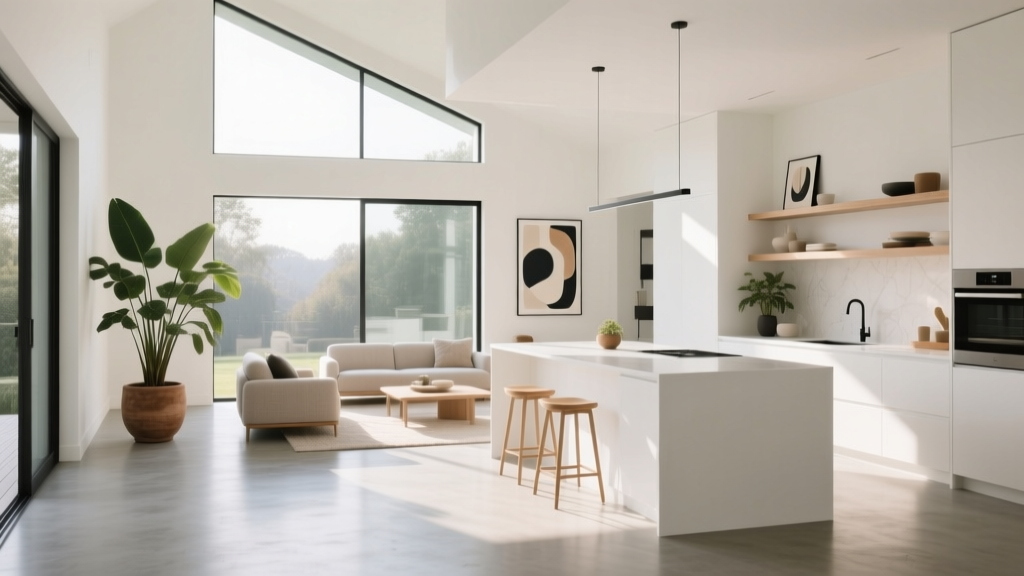
Japandi Bedroom Style: Minimalist Warmth
What Is Japandi Style and Why It Works in Bedrooms
Japandi merges two design philosophies that share surprising common ground: Japanese wabi-sabi (finding beauty in imperfection) and Scandinavian hygge (cozy contentment). Both value simplicity, natural materials, and intentional living. In a bedroom, this combination creates a space that's simultaneously calm and warm — minimal without feeling cold.
The Japandi Color Palette
Forget stark white. Japandi bedrooms use a warm neutral base: think oatmeal, warm gray, soft beige, and muted earth tones. These are layered with deeper accents — charcoal, forest green, or indigo — used sparingly on a single accent wall or in textiles.
The key principle is restraint. Choose two or three colors maximum and repeat them throughout the room. A Japandi bedroom might have warm white walls, a charcoal headboard, oatmeal linen bedding, and a single sage green throw. That's it. Every color earns its place.
Colors to Use
- Base: Warm white, oatmeal, soft gray, light taupe
- Accents: Charcoal, deep olive, muted terracotta, indigo
- Wood tones: Light oak, ash, walnut (pick one and repeat it)
- Avoid: Bright whites, cool grays, primary colors, metallic finishes
Furniture: Low, Simple, Intentional
Japandi furniture sits lower to the ground than typical Western pieces. Platform beds without footboards, low nightstands, and floor-level seating create a sense of openness. Every piece should have clean lines — no ornate carvings, no decorative hardware, no busy patterns.
Invest in fewer pieces of higher quality. A Japandi bedroom might contain only a bed, two nightstands, and a single dresser. Each piece should be beautiful enough to stand alone. Natural wood finishes (never painted or lacquered) are preferred.
Textiles: Texture Over Pattern
Japandi relies on texture rather than pattern for visual interest. Linen bedding, wool throws, cotton matelassé, and nubby bouclé create depth without the visual noise of prints and patterns. Stick to solid colors in your textile choices.
Layer textiles in varying weights: crisp cotton sheets, a linen duvet cover, a chunky knit throw at the foot of the bed. This layering adds the "cozy" element of Scandinavian influence while maintaining Japanese simplicity.
Lighting: Soft and Purposeful
Harsh overhead lighting has no place in a Japandi bedroom. Instead, use multiple soft light sources: paper lanterns, linen-shade table lamps, and warm-toned LED strips behind the headboard. Natural light is maximized with sheer curtains that filter rather than block sunlight.
Choose fixtures made from natural materials — wood, paper, woven rattan, or unglazed ceramic. A single statement pendant light in a washi paper shade can serve as both lighting and art.
Natural Elements and Biophilic Touches
Both Japanese and Scandinavian design traditions revere nature. Bring it inside with a single well-chosen plant — a tall fiddle leaf fig, a simple ikebana arrangement, or a bonsai on the nightstand. Avoid cluttering with multiple small plants; one impactful specimen is more Japandi than a shelf of succulents.
Natural materials extend beyond plants: stone, wood, bamboo, and woven fibers should be present in at least three elements of the room. A wooden headboard, a jute rug, and a ceramic vase create a cohesive natural palette.
Decluttering: The Foundation of Japandi
This style doesn't work with clutter. Every visible item should be intentional. Use hidden storage — under-bed drawers, built-in closets, closed shelving — to keep daily necessities out of sight. What remains visible should be beautiful: a single book on the nightstand, one ceramic vase, a folded throw.
The discipline of Japandi is choosing what to display and what to hide. A clear surface isn't empty — it's breathing room for the eye and mind.
Common Mistakes to Avoid
- Too much white: Japandi is warm, not clinical. Add warmth through wood tones and warm grays.
- Over-accessorizing: Resist the urge to fill every surface. Negative space is a design element.
- Mixing wood tones: Pick one wood species and repeat it. Mixing oak, walnut, and pine creates visual chaos.
- Cheap materials: Japandi celebrates craftsmanship. Particle board and plastic look out of place.
More Articles
 Bedroom Window Treatments: Light Control & Style
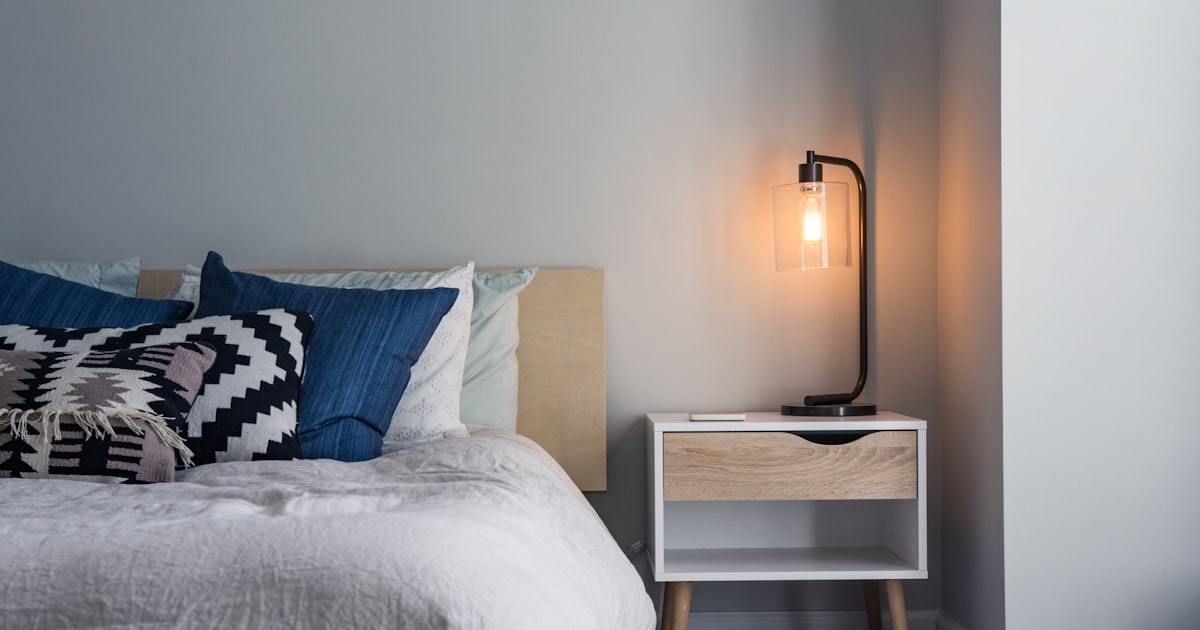 The Quiet Luxury Bedroom: Understated Elegance Without the Price Tag
 Bedroom Lighting Ideas for Better Sleep
 Cooling Bedroom Makeover: Colors, Textiles, and Airflow for Better Summer Sleep
 Guest Bedroom Essentials: The Complete Host Checklist
 Bedroom Furniture Layout: Optimal Arrangement (2026)
 Bedroom Look, Care & Maintenance: A Practical Guide to Preserving Comfort and Aesthetic Integrity
 How To Match Smart With Options: A Practical Guide to Bedroom Tech Integration Without Compromise
 Options vs Performance: How Bedroom Design Choices Directly Impact Sleep Quality and Daily Well-Being
 Bedroom Height Adjustments: Beds & Nightstands for Limited Mobility