Studio Bedroom: One Room, Three Zones, Zero Clutter — A Minimalist's Guide
The Studio Challenge
When your bedroom is also your living room, office, and sometimes dining area, the risk of visual chaos is constant. The zone-based approach divides one room into three distinct functional areas without walls or clutter.
Zone 1: Sleep Sanctuary
Your bed is the anchor. Place it against the wall farthest from the door. Use a low platform bed (no box spring) to reduce visual bulk. A headboard creates a psychological boundary—this is the sleep zone.
Limit bedside items to essentials: one lamp, one book, phone charger. No stacks of papers, no overflowing nightstands. If your nightstand has drawers, use them—surfaces should be clear.
Zone 2: Focus Area
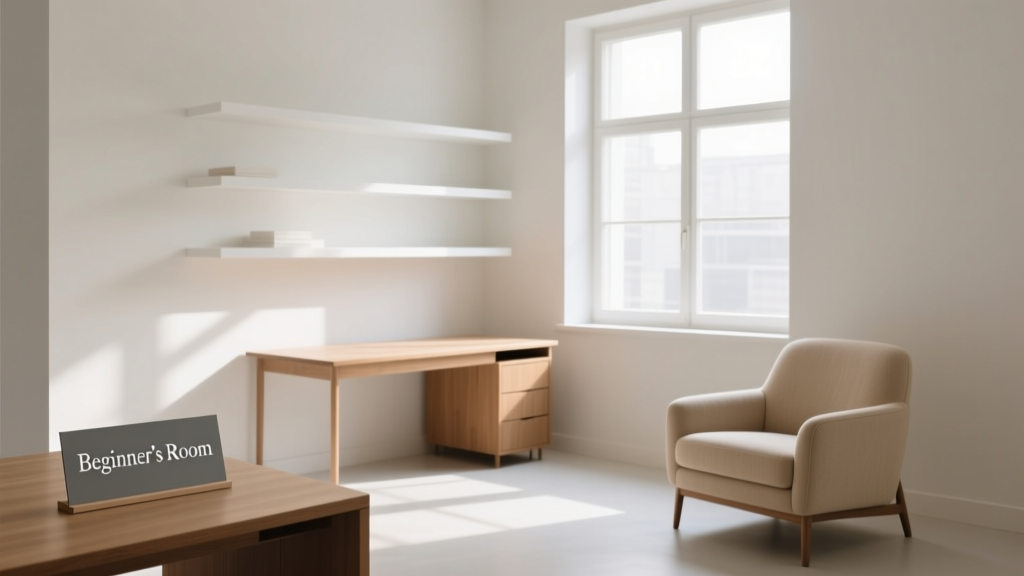
A compact desk (48 inches wide maximum) positioned perpendicular to a window provides natural light without the distraction of facing it directly. Wall-mounted shelving above the desk replaces a bulky bookcase.
Use a desk chair that doubles as extra seating—a simple upholstered chair rather than an office chair with visible wheels and mechanical parts. When work is done, close the laptop and the zone visually disappears.
Zone 3: Living Corner
A single comfortable chair (armchair or small accent chair) with a side table and reading lamp creates a living area. Position it to face the room's center, creating a conversation-friendly orientation.
A small area rug under this zone visually separates it from the sleep zone. The rug should be large enough that the chair's front legs rest on it—this defines the space without overwhelming it.
Visual Separation Without Walls
Use different lighting for each zone: warm pendant over the bed, cool task light at the desk, ambient floor lamp in the living corner. Light temperature signals function to the brain.
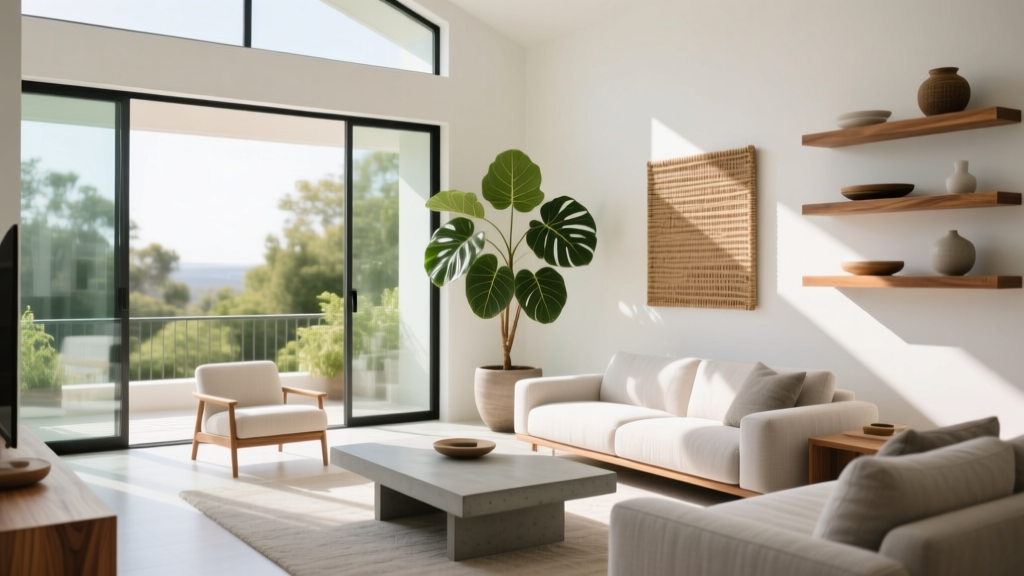
A tall plant (fiddle leaf fig, bird of paradise) placed between zones creates a natural screen. Open shelving units (backless) serve as room dividers while maintaining light flow.
Storage Philosophy
Everything needs a home. Under-bed storage bins for seasonal clothing. A wardrobe system (open or closed) that replaces a traditional closet. Hooks on the back of the door for bags and robes. If it doesn't have a designated spot, it doesn't stay in the room.
Color and Texture Strategy
Keep walls and large furniture in one neutral family (whites, warm grays, soft beiges). Add personality through textiles—throw pillows, a textured blanket, a single piece of art. This restraint makes small spaces feel larger and calmer.
More Articles
 Ageless Bedroom Design: Comfort and Accessibility at Every Stage
 Cooling Bedroom Design: Linen, Bamboo, and Breathable Materials for Hot Summer Nights
 Bedroom Closet Organization: Chaos to Curated (2026)
 Rooms for Beginners: Practical, Comfort-First Bedroom Setup Guide
 Bedroom Furniture With Rounded Edges: Safety Without Looking Institutional
 Pet Bed Placement: Creating a Shared Bedroom That Works for Humans and Pets
 Small Bedroom Inspiration: 2026 Compact Trends
 Bedroom Lighting Ideas: Beyond the Bedside Lamp (2026)
 Designing a Pet-Friendly Bedroom You'll Love
 Reading Nook in Bedroom: Corner Designs for Small Spaces