
Cooling Bedroom Design: Linen, Bamboo, and Breathable Materials for Hot Summer Nights
Designing for Sleep Temperature
Your body needs to drop 2-3 degrees Fahrenheit to initiate and maintain sleep. A bedroom that traps heat sabotages this process. Beyond air conditioning, the materials surrounding your body during sleep dramatically affect temperature regulation.
Linen: The Ancient Cooling Solution
Linen fibers are hollow, creating natural air circulation. They absorb up to 20% of their weight in moisture before feeling damp—double cotton's capacity. Linen sheets feel cool to the touch and become softer with every wash.
Choose stonewashed linen for immediate softness. European flax linen (Belgian or French origin) offers the best fiber quality. Expect to invest $200-$400 for a quality linen sheet set.
Bamboo: The Modern Alternative
Bamboo-derived viscose (lyocell process) creates fabric that's naturally temperature-regulating, moisture-wicking, and antibacterial. It feels silky smooth and stays 2-3 degrees cooler than cotton.
Look for bamboo lyocell (not bamboo rayon—the rayon process uses harsh chemicals). Certifications to verify: OEKO-TEX Standard 100, FSC-certified bamboo source.
Mattress and Topper Choices
Memory foam retains heat—avoid it if you sleep hot. Latex mattresses breathe naturally and sleep cooler. If replacing the mattress isn't an option, a cooling gel-infused topper or a wool mattress pad adds temperature regulation.
Hybrid mattresses with pocketed coils allow air circulation through the mattress body, reducing heat buildup compared to all-foam construction.
Window Treatment Strategy
Blackout curtains block solar heat gain during the day—bedrooms facing west benefit most. Open windows in the evening for cross-ventilation. Cellular (honeycomb) shades provide insulation value (R-value 3.5+) that reduces heat transfer through windows.
Furniture Material Choices
Wood and rattan bedroom furniture breathes better than upholstered pieces that trap heat. A platform bed with slatted base allows air circulation under the mattress—solid platform bases trap warmth. Cane or woven headboards add texture without heat retention.
Color Psychology and Temperature
Cool colors (blues, greens, lavenders) psychologically reduce perceived temperature. Paint walls in soft blue-gray or sage green. White or cream bedding reflects light and feels visually cooling. Avoid warm reds and oranges in bedroom textiles during summer months.
The Complete Cooling Bedroom Checklist
Linen or bamboo sheets, breathable cotton or linen duvet cover, lightweight down-alternative comforter, blackout curtains, ceiling fan (or portable fan for cross-breeze), moisture-wicking sleepwear, and a room thermometer to monitor the 65-68°F ideal sleep temperature.
More Articles
 Cozy Common Mistakes: Why Your Bedroom Feels Uncomfortable (and How to Fix It)
 Moody Bedroom Color Schemes That Work
 Style Kitchens Essentials: Functional Elegance, Ergonomic Precision, and Timeless Material Choices
 Bedroom Reading Nook: Cozy Escape Ideas (2026)
 Bedroom Lighting Ideas for Better Sleep
 Pet Bed Placement: Creating a Shared Bedroom That Works for Humans and Pets
 Bedroom Closet Organization: Chaos to Curated (2026)
 Small Bedroom Inspiration: 2026 Compact Trends
 How to Match Bedroominspiration Essentials for Seamless Comfort and Cohesion
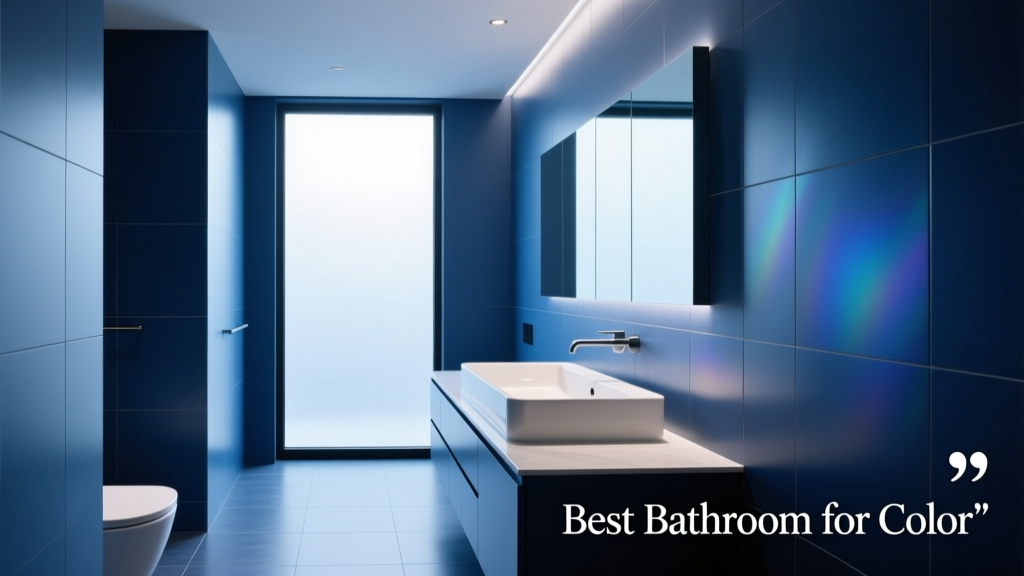 The Best Bathroom for Color: Science-Backed Design Strategies for Vibrant, Calming, and Timeless Spaces