Built-In Pet Feeding Stations: Kitchen Designs That Integrate Your Pet's Needs
The Problem With Pet Bowls in the Kitchen
Pet bowls on the kitchen floor create a tripping hazard, collect dust and debris, and clash with your carefully designed kitchen aesthetic. Water splashes onto hardwood. Food bowls slide across tile during enthusiastic eating. It's a daily annoyance that most pet owners accept as inevitable — but it doesn't have to be.
Toe-Kick Feeding Nooks
The most elegant solution uses the toe-kick space beneath base cabinets. A cutout in the toe-kick board (typically 4 inches high and 12–18 inches wide) creates a recessed niche where bowls sit flush with the cabinet face.
- Bowls slide in and out for cleaning but stay hidden from the main kitchen traffic path
- A small lip or silicone mat inside the niche catches spills
- Works best adjacent to the pantry or a base cabinet near the pet's usual eating spot
Pull-Out Bowl Drawers
A dedicated shallow drawer (4–6 inches deep) with cutouts for stainless steel bowls keeps feeding areas completely concealed when not in use. The drawer pulls out at mealtime and slides back in, keeping the kitchen floor clear.
Pro tip: Line the drawer bottom with a silicone mat to prevent bowls from sliding and to catch food debris.
Elevated Feeding Platforms
For large dogs, elevated feeders improve digestion and reduce neck strain. Build a feeding platform at 12–16 inches high using the same countertop material as your kitchen — quartz, granite, or butcher block.
Integrate the platform into an island end, a peninsula, or a dedicated pet peninsula extending from existing cabinetry.
Food Storage Integration
Stop storing pet food bags on the floor or in random cabinets. Dedicate a pull-out pantry section or a base cabinet with a tilt-out bin for dry food storage. Airtight containers keep food fresh and prevent pests.
- Tilt-out bins with stainless steel liners are easy to clean and prevent odors
- A small scoop mounted inside the cabinet door makes serving convenient
- For raw or wet food diets, designate a specific shelf in the refrigerator
Water Station Ideas
Beyond the pot filler above the toe-kick niche, consider a pet water fountain built into a counter niche with a drain line to the sink plumbing — circulating water stays fresh and reduces refilling.
Material and Maintenance Notes
Choose non-porous materials around feeding areas. Quartz countertops resist staining from pet food dyes. Porcelain tile floors around the feeding zone are easy to mop. With thoughtful integration, your pet's needs become part of the kitchen design rather than an afterthought that clutters the floor.
More Articles
 Pet Feeding Nook: Built-In Bowl Stations That Match Your Kitchen
 Pull-Down Shelving: Kitchen Cabinet Solutions for Limited Reach and Mobility
 The Pet-Integrated Kitchen: Feeding Stations, Storage, and Style
 Kitchen Island Seating: Layouts That Work
 Small Kitchen Storage Ideas: Maximize Every Inch (2026)
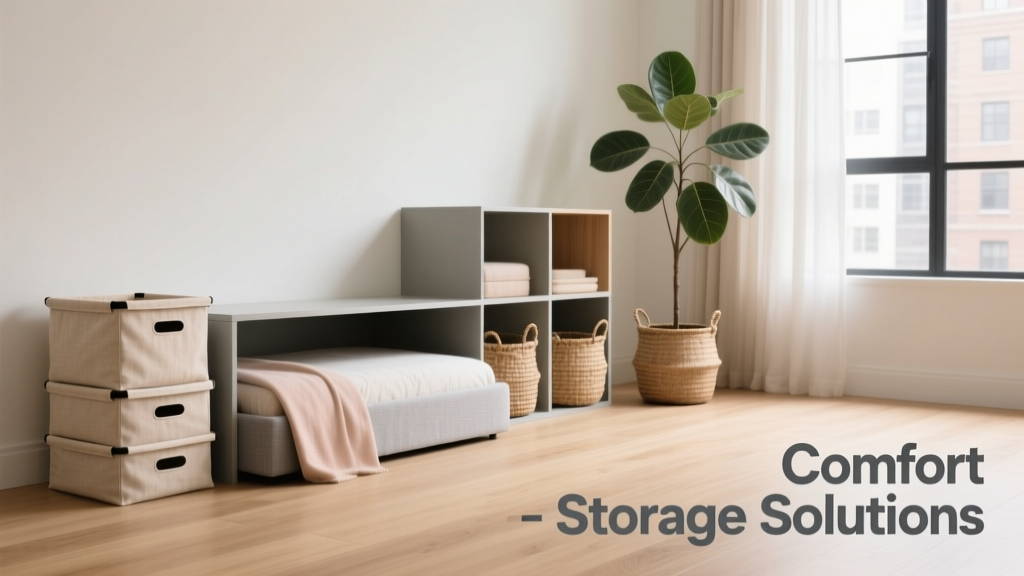 Comfort Storage Ideas: Ergonomic, Accessible, and Thoughtfully Designed Kitchen Storage Solutions
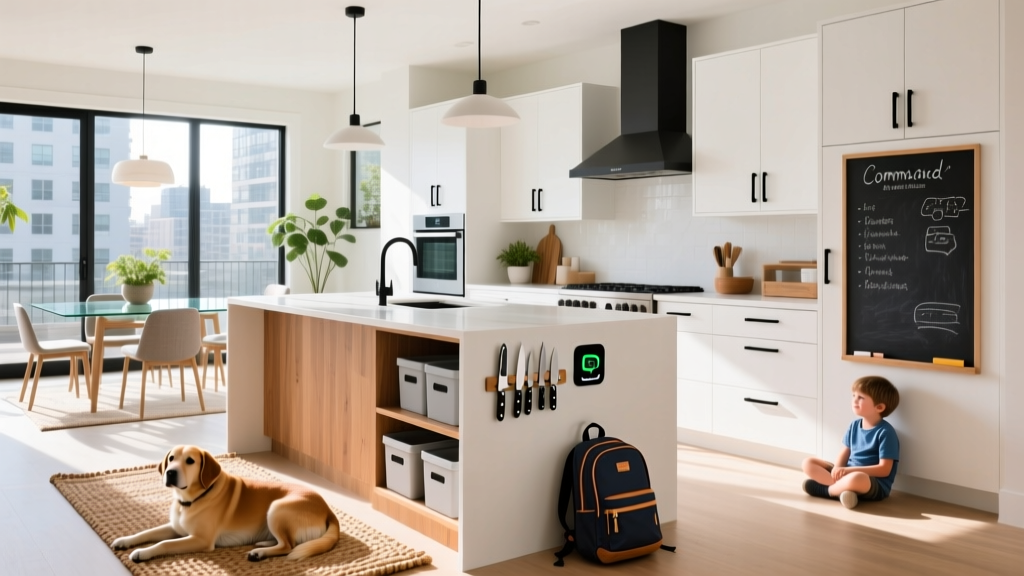 Open Kitchen Command Center: Organizing Family Life Without Closing the Door
 Kitchen Island Seating: Height and Spacing
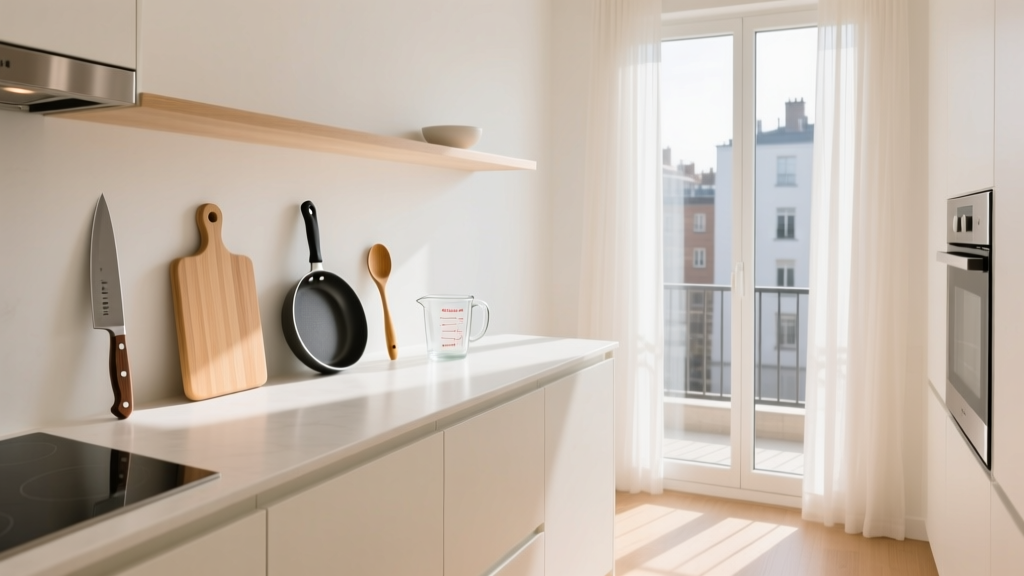 The Minimalist Kitchen for One: Essential Tools and Layout Ideas for Solo Cooking
 Kitchen Lighting Ideas: Layer Your Light ? The Decor Mag