Kitchen Backsplash Ideas That Define Your Room (2026)
Modern Kitchen Backsplash Ideas That Define the Whole Room

May 8, 2026 � 8 min read
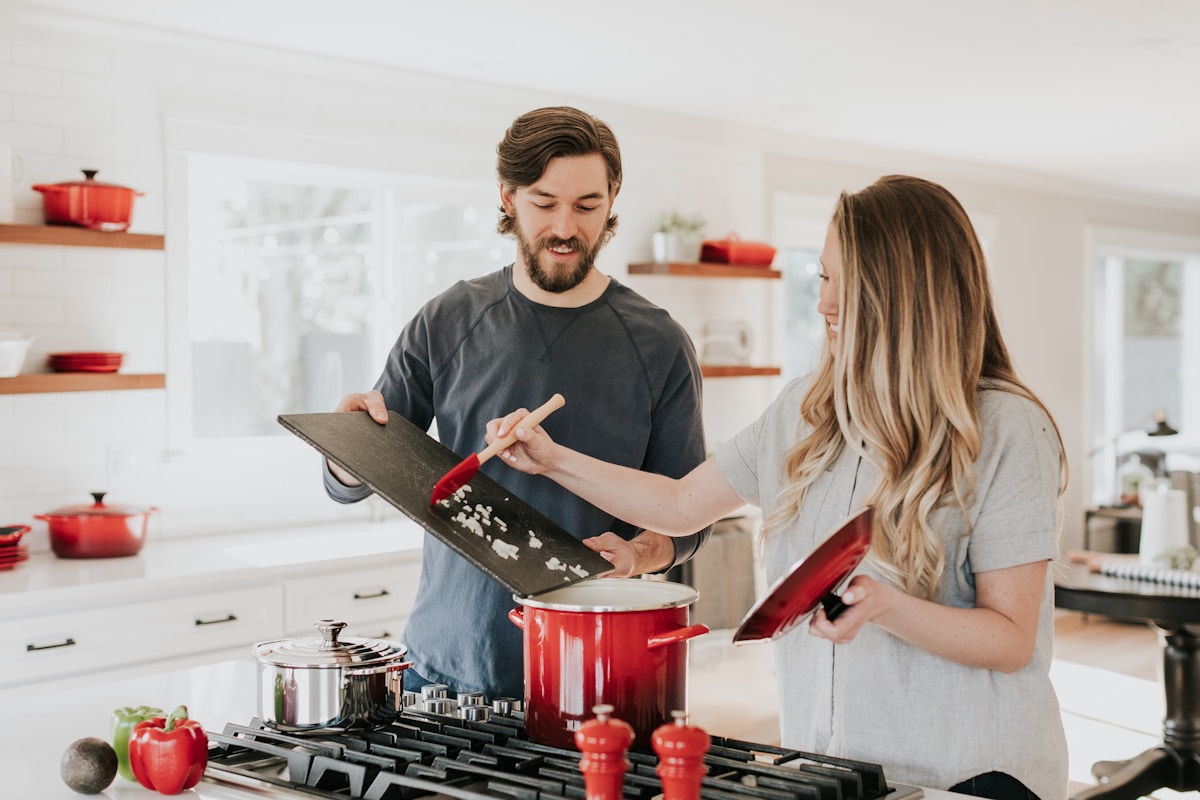
The couple had spent $45,000 on their kitchen renovation ? new cabinets, quartz counters, a professional-grade range. But when they invited us over for the reveal, every conversation started at the backsplash. Not the $8,000 appliances. Not the custom millwork. The 18 square feet of hand-glazed ceramic tile between the counter and the upper cabinets. That's the thing about backsplashes. They're the smallest surface area in the kitchen and the one everyone remembers.
In This Article
Why the Backsplash Gets All the Attention
Eye-tracking studies from the Kitchen and Bath Design Association (2025) show that visitors to a kitchen fixate on the backsplash area an average of 4.2 times during the first 30 seconds ? more than any other single surface. The reason is simple geometry: it sits at direct eye level, framed between two strong horizontal planes, and occupies the central field of vision for anyone standing at the counter.
For homeowners, this creates an unusual opportunity. A backsplash typically costs between $800 and $3,000 installed ? roughly 5 to 12 percent of a full kitchen renovation budget ? yet it disproportionately shapes the room's character. Choosing well here matters more than almost any other single decision.
Beyond Subway Tile: What's Next
Subway tile had a remarkable run. Installed in an estimated 38 percent of American kitchen renovations between 2010 and 2022, according to the Tile Council of North America, the 3-by-6-inch rectangle became the default precisely because it works. But defaults breed sameness, and the market has responded with alternatives that offer the same clean reliability with more personality.
Zellige tiles ? handcrafted Moroccan tiles with irregular surfaces and subtle color variation ? have grown 67 percent in search volume since 2023. The appeal lies in their imperfection: each tile catches light differently, creating a shimmering surface that machine-made tiles can't replicate. They run $12 to $25 per square foot, compared to $2 to $6 for standard subway tile.
Large-format porcelain slabs (24 by 48 inches and larger) are another fast-growing category. With only a fraction of the grout lines, they create a seamless, almost monolithic look that pairs beautifully with minimalist cabinetry. The tradeoff: they require professional installation and run $15 to $40 per square foot.
| Material | Cost/sq ft | Durability | DIY Friendly |
|---|---|---|---|
| Ceramic Subway | $2-6 | High | Yes |
| Zellige (hand-glazed) | $12-25 | Medium-High | Moderate |
| Porcelain Large-Format | $15-40 | Very High | No |
| Natural Stone (marble) | $20-50 | Medium (seals needed) | No |
| Glass Mosaic | $10-30 | High | Moderate |
| Metal (stainless/copper) | $15-35 | High | Yes |
Material Showdown: Tile vs Stone vs Glass
Ceramic and porcelain tiles remain the workhorses ? water-resistant, heat-resistant up to 1,200 degrees Fahrenheit, and available in virtually every color and pattern. The key difference: porcelain is denser and less porous than ceramic, making it the better choice behind a range where splatter is frequent.
Natural stone ? marble, travertine, slate ? brings unmatched organic beauty but demands maintenance. Carrara marble backsplashes need sealing every 12 to 18 months and are vulnerable to acid etching from lemon juice, vinegar, and tomato sauce. If you cook seriously, consider honed (matte) marble over polished ? it hides etching marks far better.
Glass tile reflects light, making it an excellent choice for kitchens with limited natural illumination. The smooth surface is also the easiest to clean ? grease wipes off with a damp cloth. The downside: glass shows every water spot and fingerprint, so it's less ideal in high-splash zones behind the sink.
"I tell clients to choose the backsplash material the same way they'd choose a jewelry piece ? it doesn't need to match everything, but it should feel intentional and personal. The kitchen sees it every day. You should love looking at it."
? Olivia Hart, Culinary Space Designer, The Decor Mag
Pattern Plays That Don't Overwhelm
The best backsplash patterns complement rather than compete. If your countertops already have strong veining or your cabinets feature prominent grain, a simple field pattern lets the backsplash serve as a quiet bridge. If everything else is neutral ? white counters, flat-panel cabinets in a single color ? the backsplash is your canvas.
Three patterns that consistently work:
- Herringbone: the 45-degree offset of rectangular tiles adds movement without chaos. Works in any size tile from 1x2 inches up to 3x12 inches. Installation costs 20-30 percent more than straight lay due to extra cutting.
- Vertical stack: tiles laid in straight vertical columns (rather than the traditional offset) reads as contemporary and elongates the space visually. Particularly effective with elongated formats like 2x8 or 3x12 tiles.
- Diagonal diamond: a classic for kitchens that lean traditional. Square tiles set at 45 degrees create a diamond grid that reads as elegant without being ornate. Best with 4x4 or 6x6 tiles in a single color.
Color Strategy for Long-Term Satisfaction
Color trends in backsplashes move slower than fashion but faster than cabinet finishes. The average backsplash stays in place for 15 to 20 years, so the color decision carries more weight than a paint choice. The safest approach: pick a color you'd happily see every morning for a decade, then test it in your actual kitchen lighting before committing.
Three color directions that have staying power:
- Warm whites and creams: the backbone of traditional and transitional kitchens. Pair with any cabinet color. Off-white zellige or handmade-look ceramics add subtle warmth that pure white lacks.
- Sage and muted greens: the fastest-growing backsplash color category since 2024. Green reads as both calming and connected to nature ? fitting for a room where food preparation happens.
- Deep navy or charcoal: bold but surprisingly versatile. Dark backsplashes create dramatic contrast in light kitchens and recede visually in already-dark rooms, adding depth without dominating.
Installation: What to DIY and What Not To
A straightforward ceramic subway tile backsplash in a simple rectangular area is absolutely a weekend DIY project for someone with basic tiling experience. You'll need: a tile saw ($60/day rental), notched trowel, spacers, thinset mortar, grout, and grout float. Total material cost for a typical 20-square-foot area: $150 to $400 in supplies plus $40 to $200 in tile.
Where to call a professional: natural stone (requires specialized thinset and sealing), large-format porcelain (heavy, difficult to cut without chipping), and any backsplash that wraps around corners, outlets, or windows ? these demand precision cuts that are unforgiving on expensive materials. Professional installation runs $8 to $20 per square foot for labor, according to HomeAdvisor's 2026 True Cost Guide.
The one thing nobody tells you about backsplash installation: plan your layout so the bottom row isn't a sliver cut. Start from the countertop and work up, but if the top row would be less than half a tile wide, shift your starting point down so both top and bottom rows are roughly equal. It takes five extra minutes of planning and makes the finished installation look professional instead of rushed.
Before You Buy: The Sample Test
Always order physical samples (most suppliers ship 3-4 samples for $15-25) and tape them to your actual kitchen wall. View them in morning light, afternoon light, and under your evening pendant lighting. Colors shift dramatically under different light temperatures ? a tile that looks warm and inviting at noon can read cold and clinical under 4000K LED bulbs at night.
The right backsplash doesn't need to shout. It needs to feel like it was always meant to be there ? the piece that ties your counter, cabinets, and hardware together into something that feels designed, not assembled. Start with material. Narrow to pattern. Let color be the last decision, not the first. And remember: the samples on your wall will tell you more than any showroom display ever will.
More Articles
 Small Kitchen Makeover Ideas on a Budget
 Kitchen Lighting Ideas: Layer Your Light ? The Decor Mag
 Aging Alternatives to Function: Rethinking Kitchen Design for Lifelong Independence
 How To Organize Ideas: A Practical System for Designers, Architects, and Creative Professionals
 Kitchen Color Schemes That Transform Spaces (2026)
 Open Shelving Kitchen: Pros, Cons, Styling
 Compact Kitchen Pantry Hacks: Pull-Out Storage Solutions for Narrow Cabinets
 Open Kitchen Shelving Ideas That Work
 Pet-Friendly Kitchen Layout Ideas
 How To Start Outdoor: A Practical, Step-by-Step Guide to Building a Functional and Beautiful Outdoor Kitchen