
Kitchen Countertop Materials: Best Choices for 2026
Kitchen Countertop Materials: Choosing Your Surface
 James Thornton
Your kitchen countertop is the workhorse surface in your home. It bears the weight of hot pots, the impact of dropped knives, the stain risk of spilled wine and tomato sauce, and the daily abrasion of ingredients being chopped, mixed, and rolled out on its surface. It is also one of the most visually dominant elements in the room, occupying a prominent horizontal plane that the eye naturally follows. Choosing the right material means balancing performance, aesthetics, and budget in a way that aligns with how you actually use your kitchen.
The countertop market has expanded dramatically over the past decade. Quartz has surged in popularity, rivaling granite as the top choice for new installations. Butcher block has found renewed appreciation in an era that values warmth and natural materials. Solid surface options have improved their heat resistance and visual range. And natural stone, including marble and soapstone, continues to hold a special place for those willing to accept maintenance as the price of beauty.
Quartz: Engineered Consistency
Quartz countertops are an engineered stone made from approximately 90 to 95 percent ground natural quartz bound with 5 to 10 percent polymer resins and pigments. The manufacturing process creates a surface that is non-porous, highly durable, and visually consistent from slab to slab. This consistency is both quartz's greatest strength and, for some, its limitation.
The non-porous nature of quartz means it does not require sealing. Unlike granite or marble, which are naturally porous and vulnerable to staining from oils, wine, and acidic liquids, quartz repels liquids and wipes clean with minimal effort. This makes it an excellent choice for busy households and for cooks who work with staining ingredients like turmeric, beet juice, or red wine on a regular basis.
Aesthetically, quartz has evolved significantly. Early quartz countertops had a somewhat artificial appearance with uniform patterns that read as manufactured. Modern quartz manufacturers have developed veining patterns that closely mimic natural marble, along with matte finishes that feel more like stone than plastic. The range of available colors and patterns now covers nearly every design aesthetic, from bright white Carrara-look slabs to dramatic dark surfaces with bold veining.
The primary drawbacks are heat sensitivity and edge visibility. Quartz resins can discolor or soften when exposed to temperatures above 300 degrees Fahrenheit, meaning you cannot place a hot pot directly from the stove onto the surface without risk of damage. Always use trivets. Additionally, the edges of quartz slabs can sometimes reveal the engineered nature of the material, particularly on thicker profiles, though this is becoming less noticeable as manufacturing techniques improve.
Granite: Natural Stone, Natural Variation
Granite has been the dominant kitchen countertop material for over two decades, and its popularity is well-earned. Cut from massive blocks of natural stone, each granite slab is genuinely unique. The variation in mineral composition, crystal size, and color veining means that no two granite countertops are identical. For homeowners who value natural beauty and one-of-a-kind surfaces, this is a decisive advantage.
Granite is exceptionally hard and heat-resistant. You can place hot pans directly on granite without concern for damage, and the surface resists scratching from normal kitchen use. It is also highly resistant to bacteria when properly sealed, making it a hygienic choice for food preparation surfaces.
The maintenance requirement is the main consideration. Granite is naturally porous and must be sealed upon installation and resealed periodically, typically every one to three years depending on the specific stone and usage. The sealing process is straightforward and can be done by the homeowner, but it is a recurring commitment that quartz and solid surface materials do not require.
| Material | Cost per Sq Ft | Heat Resistance | Maintenance | Lifespan |
|---|---|---|---|---|
| Quartz | $60-$150 | Moderate (use trivets) | Low (no sealing) | 25+ years |
| Granite | $40-$100 | Excellent | Moderate (seal every 1-3 yrs) | 50+ years |
| Marble | $75-$250 | Good | High (seal, avoid acids) | Lifetime (patinas) |
| Butcher Block | $30-$100 | Poor (scorch risk) | High (oil regularly) | 10-20 years (refinishable) |
| Solid Surface | $40-$90 | Moderate | Low | 15-25 years |
Marble: Beauty With a Price
Marble countertops carry an undeniable elegance that no other material quite replicates. The cool, smooth surface with its distinctive veining has been the choice of bakers and chefs for centuries. Marble stays naturally cool, making it ideal for rolling pastry dough and working with chocolate. Its aesthetic appeal in a kitchen is unmatched, lending an air of timeless sophistication to any space.
But marble demands acceptance of its vulnerabilities. It is softer than granite and quartz, meaning it scratches more easily. It is porous and susceptible to etching from acidic substances like lemon juice, vinegar, and tomato sauce. Etching creates dull spots on the surface where the acid has chemically reacted with the calcium carbonate in the stone. These marks are permanent unless the surface is professionally repolished.
Many marble countertop owners come to view scratches and etch marks as part of the material's patina. A marble surface that shows signs of use carries the history of thousands of meals prepared on it. This perspective is not for everyone. If you prefer a countertop that maintains a pristine appearance with minimal effort, marble is probably not the right choice. If you appreciate a surface that ages gracefully and tells a story, marble may be exactly what you are looking for.
Bakers' Note: Why Marble for Pastry
Marble stays 5 to 10 degrees cooler than the surrounding room temperature, which is why professional bakers favor it for pastry work. Butter-based doughs stay firmer on marble, producing flakier crusts. If baking is a regular activity in your kitchen, consider installing a marble section as a dedicated pastry station alongside a more durable primary surface.
Butcher Block: Warmth You Can Cut On
Butcher block countertops bring warmth and organic character to a kitchen in a way that stone and engineered materials cannot. Made from hardwood strips glued together, typically maple, walnut, or oak, butcher block surfaces feel inviting under your hands and add a natural texture that softens the hard edges of a kitchen dominated by metal appliances and tile backsplashes.
The ability to cut directly on the surface is both a feature and a responsibility. End-grain butcher block is particularly forgiving on knife edges, as the wood fibers compress and release rather than dulling your blade. However, cutting on the surface creates knife marks that accumulate over time. Some homeowners find these marks add character. Others prefer to use cutting boards to preserve a smoother surface.
Maintenance involves regular oiling with food-grade mineral oil or a dedicated butcher block conditioner. The oil penetrates the wood, keeping it hydrated and preventing cracks. Frequency depends on usage and humidity, but a good rule is to oil the surface every four to six weeks for a heavily used countertop. Butcher block is also vulnerable to standing water, which can cause the wood to swell and warp. Wipe up spills promptly and avoid placing wet items directly on the surface for extended periods.
- End-grain construction is gentler on knife blades than edge-grain
- Mineral oil treatment every 4-6 weeks keeps the surface hydrated and food-safe
- Maple is the most common and affordable choice; walnut offers richer color at a premium
- Use trivets for hot pans. Wood scorches easily and scorch marks are difficult to remove
- Consider a mixed-material approach with butcher block in prep zones and stone at the cooktop
Solid Surface: Seamless and Repairable
Solid surface countertops, best known under the brand name Corian, are made from acrylic or polyester resins blended with mineral fillers. The result is a homogeneous material that can be fabricated into virtually any shape, with seams that are nearly invisible when properly installed. This seamless quality is solid surface's defining advantage, creating a continuous work surface without the visual interruption of grout lines or slab joints.
Solid surface materials are non-porous, stain-resistant, and easily repaired. Minor scratches and burns can be sanded out by the homeowner using a fine-grit sandpaper. Deeper damage can be repaired by a professional who fills the affected area with matching material and blends it seamlessly. This repairability is unique among countertop materials and extends the functional life of the surface significantly.
The aesthetic range of solid surface has expanded to include stone-like patterns, concrete looks, and solid colors. While the material cannot fully replicate the depth and natural variation of genuine stone, it offers a clean, modern look that works particularly well in contemporary and minimalist kitchens. The main limitations are moderate heat resistance and a surface that, while durable, is softer than natural stone and more prone to scratching.
Material Comparison and Decision Framework
Choosing a countertop material comes down to three questions. First, what is your budget? Quartz and marble sit at the higher end, while granite and butcher block offer quality at more accessible price points. Solid surface occupies the middle ground. Second, how do you cook? If you regularly set hot pans down, prioritize heat-resistant granite. If you bake frequently, marble's cool surface is worth the maintenance tradeoff. If you value low maintenance above all, quartz is the logical choice. Third, what aesthetic are you pursuing? Warmth points to butcher block. Elegance points to marble. Clean modernity points to quartz or solid surface.
Consider mixing materials for the best of both worlds. A quartz primary countertop paired with a butcher block island creates a surface that is both durable and warm. A marble pastry station alongside granite at the cooktop gives you the performance of both materials where each excels. The best countertop decision is not always a single material for the entire kitchen. Sometimes it is a thoughtful combination that matches material properties to specific tasks.
I always tell clients to think about their countertop in terms of zones. The area around the cooktop needs heat resistance. The prep area benefits from a surface that is gentle on knives. The island might prioritize aesthetics since it is the visual centerpiece. One material rarely excels at everything, so let each zone have the surface it deserves.
Robert Chen, Senior Kitchen Designer at Material Studio
Your kitchen countertop is an investment that you will interact with multiple times every day for years to come. Take the time to see and touch samples in person. Visit a stone yard to see full slabs rather than small sample pieces. Ask fabricators about their installation process and warranty. And most importantly, be honest about your maintenance willingness. The most beautiful countertop in the world becomes a source of frustration if it requires more care than you are prepared to give it.
More Articles
 Open Shelving in Modern Kitchens: Style Meets Function
 Open Shelving vs Cabinets: Pros and Cons
 Family Kitchen Zoning: Separate Prep, Cook, and Cleanup Areas
 Comfort Kitchens Essentials: Designing for Ergonomics, Accessibility, and Everyday Joy
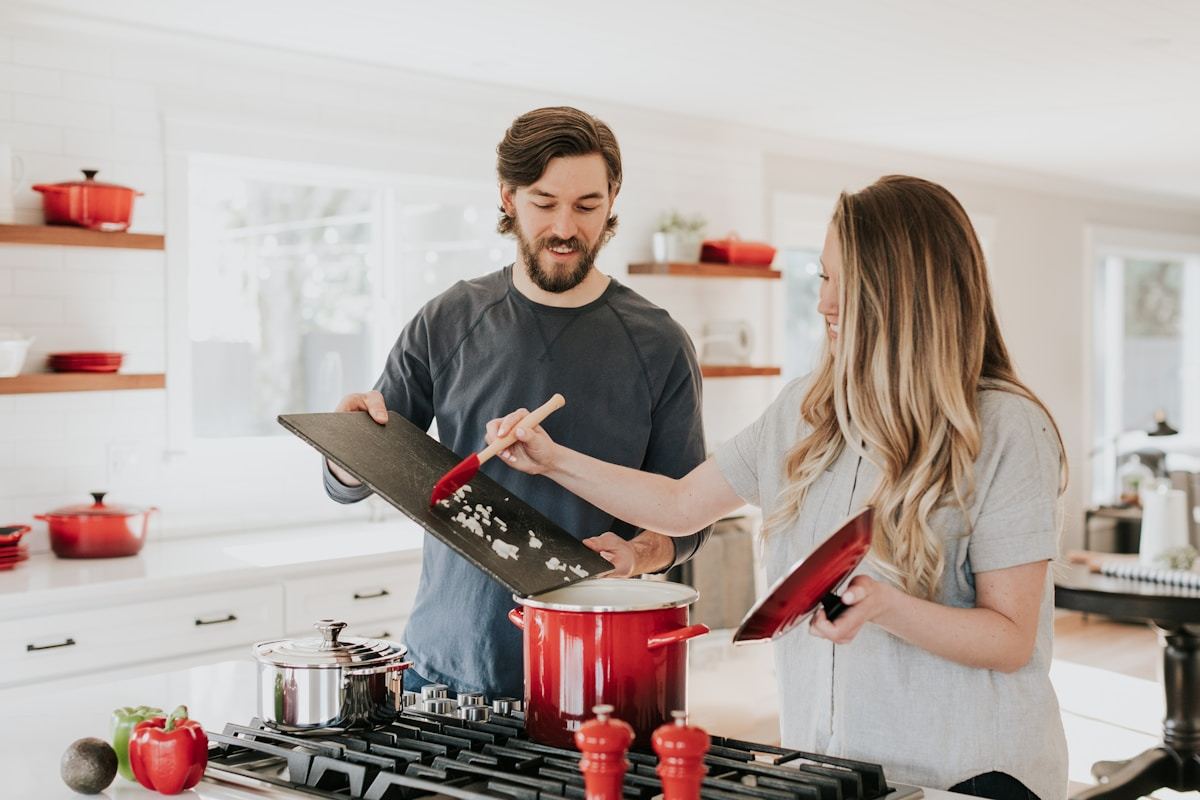 Kitchen Backsplash Ideas That Define Your Room (2026)
 Open Kitchen Play Area: Designing a Space Where Cooking and Kids Coexist Safely
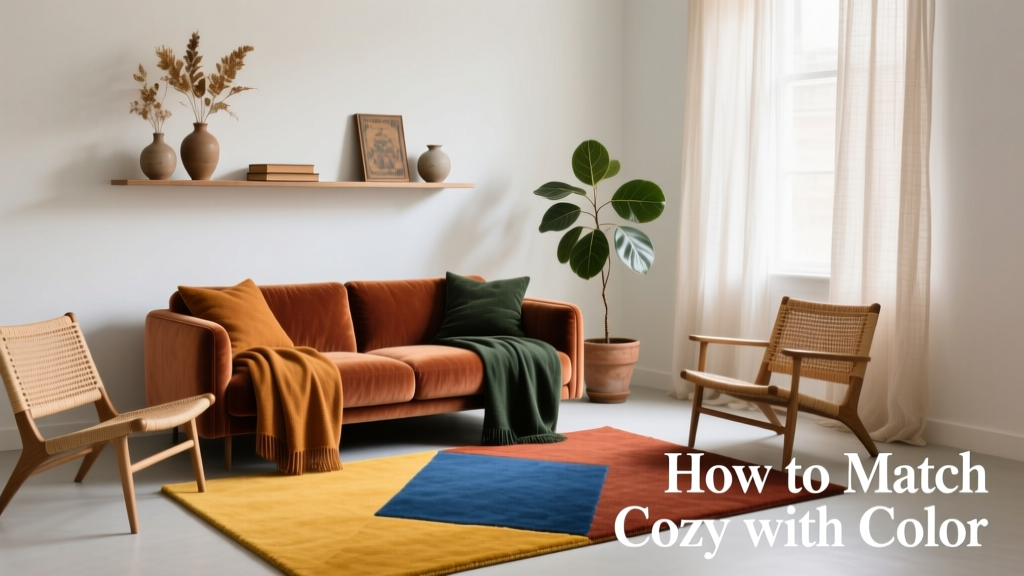 How To Match Cozy With Color: A Kitchen Design Consultant’s Practical Framework
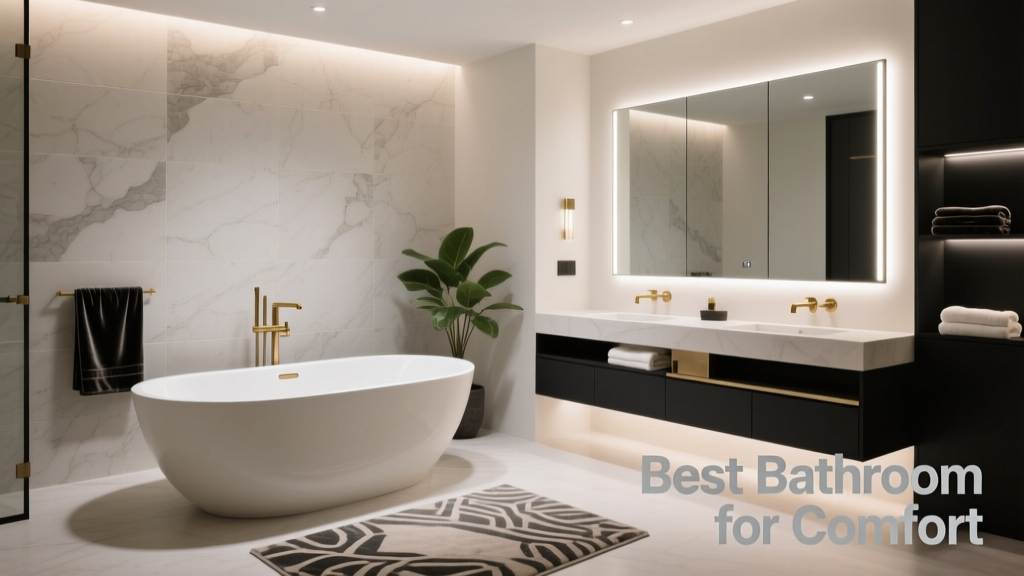 The Best Bathroom for Comfort: Science-Backed Design Principles That Elevate Daily Living
 12 Practical DIY Safety Ideas for Every Home — Tested, Measured, and Verified
 Kitchen Island Design: Heart of Your Working Kitchen