
Small Kitchen Storage Ideas: Maximize Every Inch (2026)
Small Kitchen Storage Ideas: Maximize Every Inch
 Olivia Hart
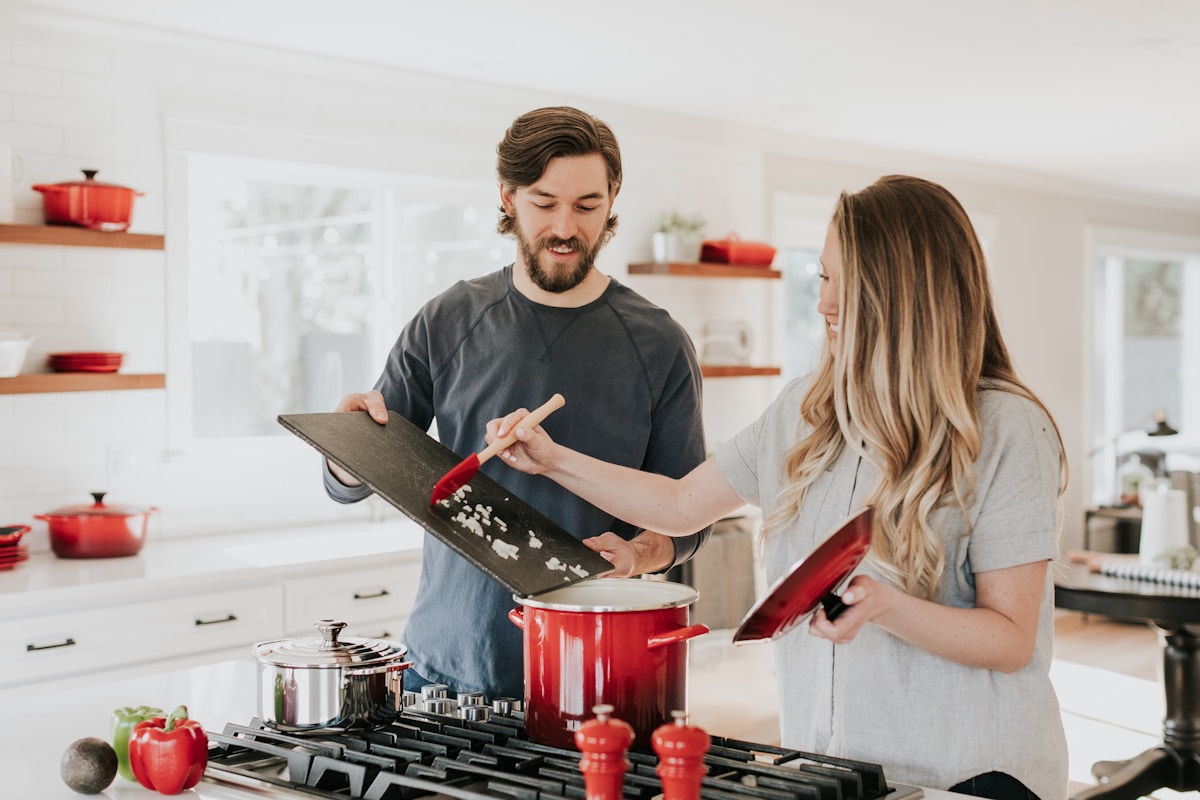
A cramped kitchen does not mean a compromised kitchen. Some of the most efficient cooking spaces we have seen measure under 80 square feet, yet they manage to house everything a home cook needs. The secret lies not in square footage but in storage intelligence. When you treat every inch as valuable real estate, even the tiniest galley kitchen can rival the functionality of a sprawling chef's domain.
The principles behind small kitchen storage are straightforward: exploit vertical space, eliminate wasted gaps, and create systems that keep frequently used items within arm's reach while stowing seasonal gear out of the way. What follows is a practical breakdown of strategies that professional organizers and kitchen designers rely on every day.
Thinking Vertically: Walls Are Your Friend
The single most underutilized surface in any small kitchen is the wall. When floor space and cabinet real estate are limited, your walls become prime storage territory. Pegboard systems have made a remarkable comeback in recent years, offering modular hooks and shelves that adapt to your changing needs. A well-placed pegboard panel behind your prep area holds everything from wooden spoons to colanders, freeing up drawer space for items that truly belong enclosed.
Magnetic knife strips serve a dual purpose. They keep sharp blades safely off crowded countertops while creating a visual focal point that says this is a serious cooking space. Mount one at a comfortable height near your cutting board, and you will find yourself reaching for the right knife more often simply because it is visible and accessible.
Wall-mounted pot racks are another classic solution that deserves fresh consideration. Hanging pots from a ceiling-mounted or wall-mounted rack does three things simultaneously: it frees cabinet space for items that stack poorly, keeps your heaviest cookware within easy reach, and adds a warm, lived-in character to the room. Copper or black wrought-iron racks work particularly well in both modern and traditional settings.
For renters who cannot drill into walls, tension rod shelving offers a damage-free alternative. A sturdy tension rod placed inside a cabinet creates an instant second shelf for plates or bowls. Place one above your sink to hang spray bottles, sponges, and dish brushes. The investment is minimal, and the storage payoff is immediate.
- Install pegboard panels with interchangeable hooks and small shelves
- Mount magnetic knife strips near primary prep zones
- Hang pots and pans from ceiling or wall-mounted racks
- Use tension rods inside cabinets for makeshift second shelves
- Add floating shelves above windows or doorways for infrequently used items
Inside Your Cabinets: Drawer and Shelf Upgrades
Opening a kitchen cabinet should not feel like peering into an abyss. If you find yourself stacking three items on top of each other just to reach what you need on a Tuesday morning, your cabinet interiors need rethinking. Pull-out organizers transform deep base cabinets from black holes into accessible storage zones. You no longer need to kneel on the floor and dig through a pile of baking sheets to find your roasting pan.
Shelf risers double your shelf space instantly. A simple wire or acrylic riser placed on an existing shelf creates two levels instead of one. Use them for plates, bowls, or canned goods. The visual openness they create also makes the cabinet feel less cramped, which matters more than you might think when you open that door dozens of times per day.
Drawer dividers deserve special attention. A kitchen drawer without dividers becomes a jumble of utensils within weeks. Modular dividers that adjust to your specific utensil collection keep everything separated and visible. Consider dedicating one drawer entirely to food storage containers with a divider system that separates lids from bases. This single change eliminates one of the most frustrating kitchen experiences: opening a drawer avalanche of mismatched plastic containers.
| Solution | Avg. Cost | Space Gain | Difficulty |
|---|---|---|---|
| Pull-out cabinet organizers | $30-$80 | 40% more accessible | Easy |
| Shelf risers | $10-$25 | 100% shelf doubling | None |
| Drawer dividers | $15-$40 | Organization boost | None |
| Pegboard wall system | $25-$60 | 12-18 sq ft wall space | Moderate |
| Pot rack (ceiling mount) | $40-$120 | 4-8 cabinet shelves freed | Moderate |
Hidden Spaces You Never Knew You Had
Look around your kitchen with fresh eyes. The narrow gap between your refrigerator and the wall, the space beneath your upper cabinets, the area under your sink, even the side of your island or cart. These overlooked zones represent untapped storage potential that can make a measurable difference in a small kitchen.
Rolling slim carts that slide into narrow gaps are a game-changer for tight layouts. A 6-inch-wide cart on wheels fits between appliances and provides three or four shelves for spices, oils, or canned goods. When you need it, pull it out. When you do not, slide it back. The flexibility of rolling storage is unmatched in small spaces.
The area under your sink is notoriously chaotic, but it does not have to be. A combination of stackable bins, a tension rod for hanging spray bottles, and a small caddy for cleaning supplies transforms this zone from a source of frustration into a well-organized utility station. Add a removable drip mat to protect against leaks, and you have a system that is both functional and durable.
Quick Win: The 15-Minute Under-Sink Reset
Empty everything from under your sink. Wipe down the surfaces. Group items into categories: cleaning supplies, trash bags, spare sponges, and plumbing tools. Place each category in its own bin. Slide a tension rod across the top for hanging spray bottles. Return bins to the cabinet. You will be amazed at how much room you suddenly have.
Countertop Strategy: Less Clutter, More Room
Your countertop is valuable prep real estate. Every item you leave sitting on it reduces your available workspace. The goal is not a sterile, empty counter but a curated surface that holds only what you use daily. Everything else gets a home somewhere else.
Start by identifying your daily essentials. If you brew coffee every morning, your coffee maker earns its spot. If you use a stand mixer once a month, it belongs in a cabinet. This simple triage exercise typically frees up 30 to 50 percent of counter space in small kitchens. Pair this with a wall-mounted paper towel holder, an over-the-sink cutting board, and a utensil crock that holds only your most-used tools, and your countertops become genuinely functional again.
Consider a fold-down table or wall-mounted drop leaf that provides extra prep surface when needed and folds flat against the wall when you are done. These installations cost less than you might expect and can add 2 to 4 square feet of usable surface area to a cramped kitchen.
Corner Solutions: Turning Dead Zones Into Gold
Corner cabinets are the Bermuda Triangle of kitchen storage. Items go in and are never seen again. Traditional corner cabinets waste an enormous amount of space because the back corner is essentially unreachable from the front opening. Modern solutions have changed this equation entirely.
Lazy Susans remain the most familiar corner solution, but they have evolved. Multi-tier rotating trays with non-slip surfaces now come in configurations that fit both base and wall cabinets. A well-designed lazy Susan gives you access to items stored in the deepest part of the cabinet with a simple turn. For blind corner cabinets, pull-out systems that swing out and slide forward bring everything into view without requiring you to contort yourself.
If your budget allows, installing a magic corner unit or a LeMans-style shelving system transforms dead corner space into some of the most accessible storage in your kitchen. These systems use interconnected shelves that swing out in sequence, bringing stored items from the back corner directly to you. The installation is more involved than a simple shelf, but the payoff in daily usability justifies the investment.
The corners of a kitchen are not wasted space. They are simply waiting for the right hardware to unlock their potential. A $60 corner pull-out can give you back more usable storage than a $600 cabinet upgrade.
Christina Torres, Certified Kitchen Designer, National Kitchen & Bath Association
Pantry Hacks for Tiny Kitchens
Not every kitchen comes with a pantry, but every kitchen needs one. When you lack a dedicated walk-in space, creative alternatives step in. A tall, narrow freestanding cabinet placed against any available wall serves as an effective pantry substitute. Look for units at least 72 inches tall to maximize vertical storage.
If even a freestanding cabinet is not feasible, consider a rolling cart with multiple tiers. A three-tier metal cart provides ample room for dry goods, snacks, and small appliances, and it moves wherever you need it. During party prep, roll it next to your counter for easy access. Afterward, tuck it into a corner or against a wall in an adjacent room.
Door-mounted racks and over-the-door organizers work equally well on pantry doors and cabinet doors. Spice racks, cleaning supply holders, and even shallow shelves designed for food storage can all mount to the inside of a door, converting a flat surface into functional storage without consuming a single inch of floor space.
- Tall freestanding cabinets (72+ inches) maximize vertical storage in any room
- Rolling carts with three or more tiers provide mobile pantry space
- Over-the-door organizers convert flat surfaces into shelving
- Clear storage containers with uniform dimensions stack neatly and let you see contents at a glance
- Label maker or chalkboard labels eliminate the guesswork when containers are stacked
Small kitchen storage is not about deprivation. It is about intentionality. Every storage decision should answer a simple question: does this make cooking easier, or does it just add another thing to manage? When you build your systems around that principle, your small kitchen stops feeling small and starts feeling efficient, organized, and genuinely enjoyable to work in.
More Articles
 The Best Bathroom for Comfort: Science-Backed Design Principles That Elevate Daily Living
 Best Kitchens for Bathroom: Functional, Code-Compliant Mini-Kitchens for Wet Areas
 12 Practical DIY Safety Ideas for Every Home — Tested, Measured, and Verified
 Built Kitchens Essentials: Precision, Performance, and Timeless Integration
 Living Room Design Tools Checklist: Precision Instruments for Spatial Harmony and Client Confidence
 Built-In Pet Feeding Station: Kitchen Design Integration
 12 Two-Tone Cabinet Combos That Actually Work
 Bedroom Essentials: Functional, Restorative, and Thoughtfully Designed Spaces
 How To Organize Ideas: A Practical System for Designers, Architects, and Creative Professionals
Compact Kitchen Pantry Hacks: Pull-Out Storage Solutions for Narrow Cabinets
How To Organize Ideas: A Practical System for Designers, Architects, and Creative Professionals
Compact Kitchen Pantry Hacks: Pull-Out Storage Solutions for Narrow Cabinets