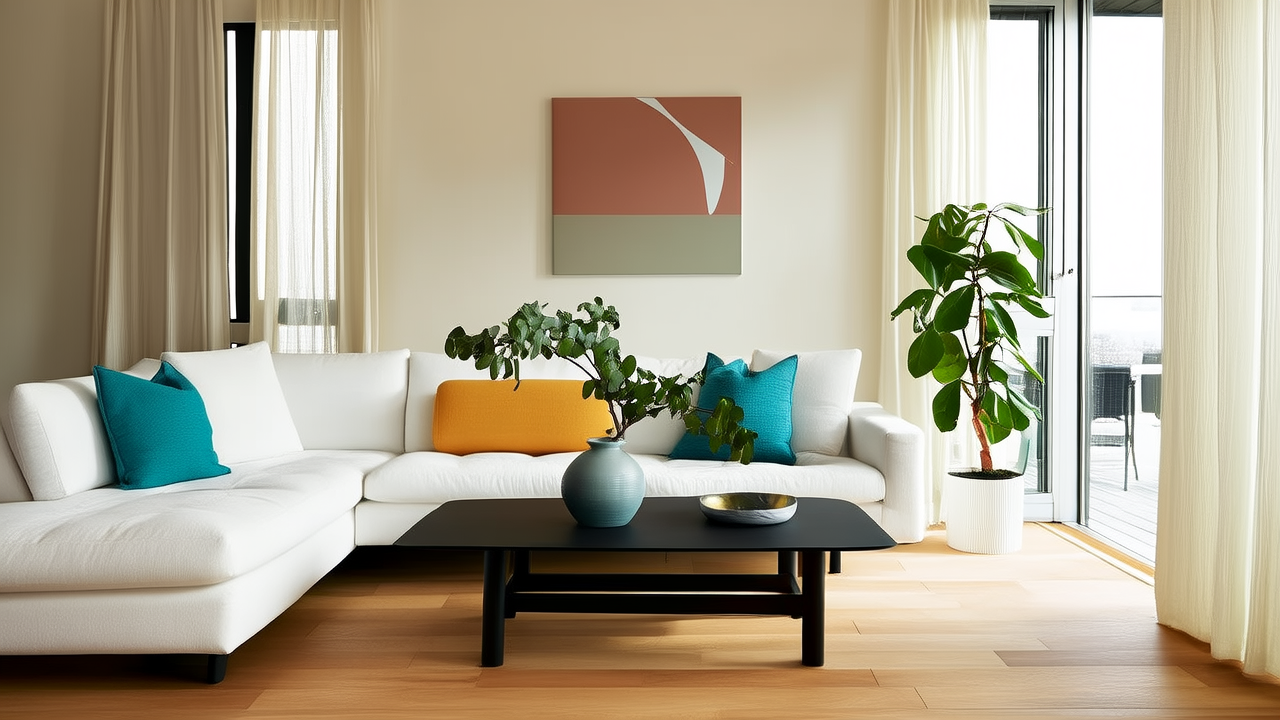
Open Kitchen Shelving: Pros, Cons & Tips
Open Kitchen Shelving: Pros, Cons & Tips You’ll Actually Use
Let’s be honest—nothing says “warm, curated, and lived-in” like open kitchen shelving. But before you rip out your upper cabinets and start drilling into drywall, let’s talk about what those beautiful floating shelves *really* demand from you. As someone who’s styled (and restyled… and restyled again) dozens of kitchens for clients—and lived with open shelves in my own 1930s bungalow—I can tell you: they’re equal parts magic and maintenance.The Irresistible Pros
First, the wins. Open shelving instantly lightens a space—literally and visually. In compact kitchens or those with low ceilings, swapping solid uppers for Wall-mounted oak shelves from IKEA’s BILLY system (with added support brackets) creates airiness without sacrificing storage. They also encourage intentionality: you’ll only keep what you love or use daily, which naturally declutters. And yes—there’s undeniable aesthetic charm. Think matte black Ironware Co. Floating Shelves holding stoneware mugs, a vintage Le Creuset Dutch oven, and a trailing pothos vine. It feels personal, not polished.The Unavoidable Cons
But here’s where reality checks in. Dust? Yes—especially on textured ceramics or matte-glazed bowls. Grease splatter? Absolutely, particularly near the stove. And let’s talk about mismatched dishware: that charming mix of thrift-store finds looks intentional *only* if edited ruthlessly. One chipped cereal bowl or stacked plastic container breaks the spell. Also, structural integrity matters: standard drywall anchors won’t cut it. Always locate studs—or invest in TOGGLER SnapSkrew Drywall Anchors (rated for 50+ lbs per anchor).Styling That Stays Sane
Start with the rule of threes: group items in odd numbers, varying heights and textures. A tall glass carafe + medium ceramic pitcher + small soapstone spoon rest. Leave 30% of each shelf empty—it’s visual breathing room, not wasted space. Rotate seasonal pieces (linen napkins in summer, dried lavender bundles in fall) to keep things fresh without constant reorganizing.Maintenance is non-negotiable. Wipe shelves weekly with a microfiber cloth dampened with diluted vinegar—not just for shine, but to prevent grease buildup that dulls wood finishes over time.
- Best materials for durability: White oak (resists warping), powder-coated steel (ideal near steam), and honed marble (for a luxe, cool-toned contrast)
- Avoid: MDF without sealed edges (swells in humidity), unsealed pine (stains easily), or shelves deeper than 12" (they collect dust like magnets)
- Pro tip: Mount shelves at eye level (roughly 48–60" from floor) for easy access—and always stagger heights between runs to avoid a “ladder effect”
“Open shelving isn’t about displaying everything—it’s about editing with confidence.” — Sarah Lin, Lead Stylist, TheDecorMagIf you love the idea but dread the upkeep, consider hybrid solutions: open shelves above the sink or coffee station, paired with closed cabinets elsewhere. Or go bold with concealed LED strip lighting (try Philips Hue Lightstrip Plus) to highlight favorite pieces while softening imperfections. At the end of the day, open shelving rewards honesty—with your habits, your taste, and your willingness to edit. Done right, it becomes the soul of your kitchen—not just a trend, but a reflection of how you truly live.
More Articles
 Kitchen Square Footage: Cheap vs Premium Impact in 2026
Kitchen Color Schemes: Palettes That Work
 Aging-in-Place Kitchen: 7 Smart Modifications
 Kitchen Design for Aging Gracefully in 2026
 12 Two-Tone Cabinet Combos That Actually Work
 Accessible Kitchen Counters: Height, Depth, Reach (2026)
 Best Living Room Ideas: Functional & Stylish
 Small Kitchen Breakfast Bar Ideas for 2–4 People (2026)
 Kitchen Backsplash Trends for 2026
 Kitchen Countertop Height: An Ergonomic Guide