Open Shelving in Modern Kitchens: Style Meets Function
The Case for Open Shelves
Open shelving replaces upper cabinets with visible storage that makes kitchens feel larger, airier, and more personal. Your everyday dishes become part of the decor, and the room gains a lived-in warmth that closed cabinets can't provide.
Where to Place Them
The most practical location is near the cooking zone — within arm's reach of the stove for spices, oils, and frequently used pans. A second run above the sink or coffee station works well for glasses and mugs. Avoid placing open shelves near the dishwasher, where steam causes warping over time.
Material Choices
- Reclaimed wood: Adds warmth and character; seal with food-safe polyurethane
- White oak: Clean, modern, and naturally water-resistant
- Steel with powder coat: Industrial edge, virtually indestructible
- Marble or quartz slabs: Luxurious but heavy — requires robust brackets
Bracket Styles
Hidden brackets create a floating shelf effect that looks clean and contemporary. Visible iron brackets in matte black or brass add decorative character. L-brackets painted to match the wall are the budget-friendly invisible option.
Styling Principles
Apply the rule of thirds: group items in odd numbers, vary heights, and leave intentional empty space. A stack of white plates, a small herb pot, and a ceramic pitcher create visual rhythm. Resist the urge to fill every inch — negative space is what makes open shelving look designed rather than dumped.
Color Coordination
Stick to a cohesive color palette. All-white dishes on natural wood shelves is timeless. If you mix colors, limit to two or three tones that echo the room's broader palette. Random colors and mismatched patterns create visual chaos on open shelves.
Practical Maintenance
Open shelves collect dust and cooking grease. Wipe them down weekly and rotate items that don't get daily use. Items on lower shelves near the stove need more frequent cleaning due to airborne oil particles. Consider glass-front cabinets above the range if you cook with high heat regularly.
Weight Limits
Standard floating shelf brackets support 25-50 pounds per linear foot when properly anchored into studs. Heavy cast iron and stoneware should go on lower shelves with steel brackets rated for higher loads. Always check the manufacturer's weight rating before loading.
The Hybrid Approach
You don't have to choose all-open or all-closed. The most functional modern kitchens use open shelves for daily-use items and closed cabinets for less attractive necessities — cleaning supplies, bulk storage, and mismatched containers. This hybrid keeps the visual appeal of open display while hiding practical clutter.
More Articles
 Open Shelving Kitchen: Pros, Cons, Styling
 Warm Color Guides Essentials: Science, Psychology, and Precision in Kitchen Design
 Studio and Styling Compared: What Each Service Delivers — And Why the Difference Matters in Kitchen Design
 Open Shelving Kitchen Design: Style & Function (2026)
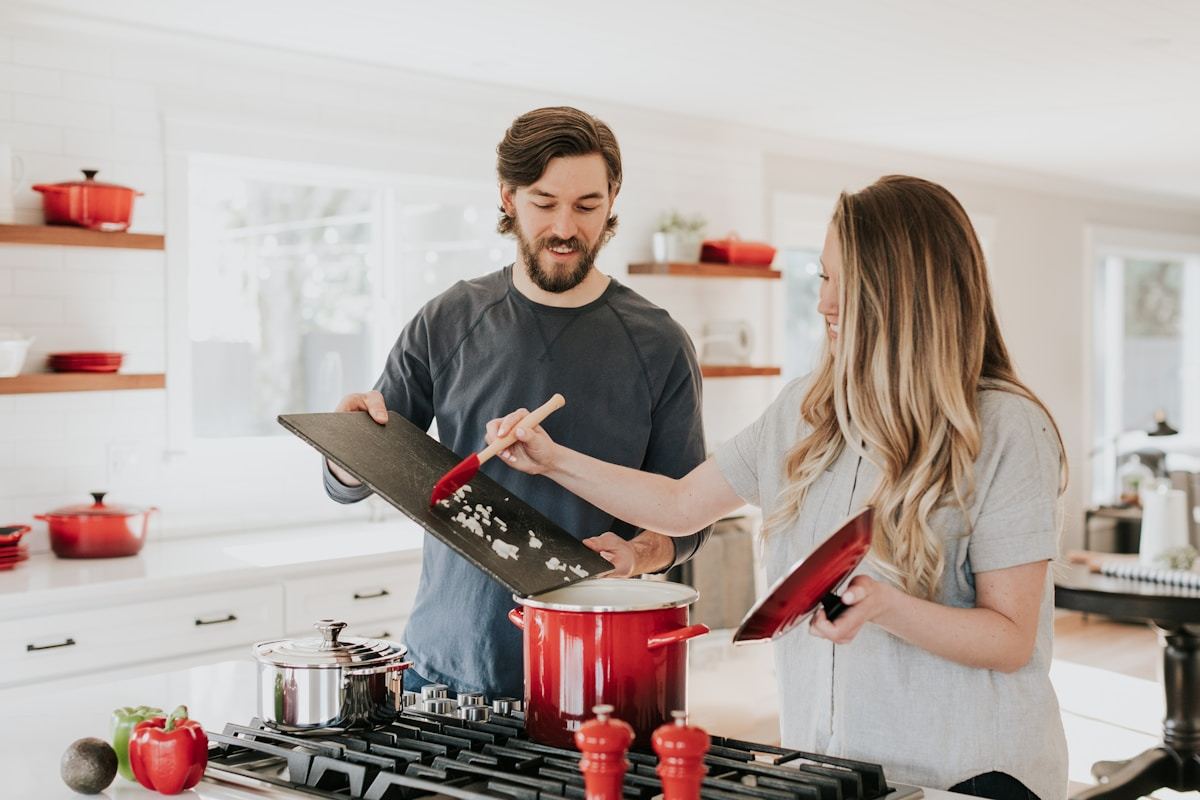 Kitchen Backsplash Ideas That Define Your Room (2026)
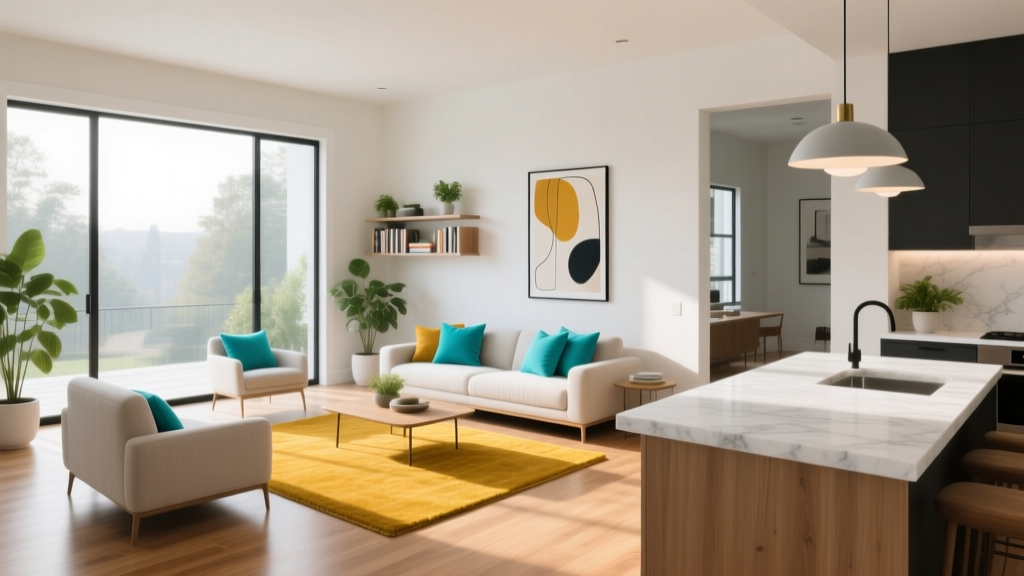 Best Kitchen Backsplash Ideas for 2026 Homes
 Small Kitchen Storage Ideas: Maximize Every Inch (2026)
 Kitchen Organization Tips: A Place for Everything (2026)
 Best Space Outdoor: Designing High-Functionality, Aesthetic, and Sustainable Outdoor Living Areas
 How To Start a Bathroom Renovation: A Practical, Step-by-Step Blueprint for Homeowners