
Kitchen Island Designs for Small Spaces
Yes, You Can Have an Island in a Small Kitchen
The assumption that kitchen islands are only for large, open-concept spaces is outdated. With the right proportions and design, even a galley kitchen or a 10x10 cook space can accommodate an island that adds genuine functionality without creating a traffic bottleneck.
The Clearance Rule
Before considering any island, measure your clearances. The National Kitchen and Bath Association recommends a minimum of 36 inches between the island and surrounding counters or appliances. For kitchens where multiple people cook simultaneously, 42-48 inches is ideal. If you can't maintain 36 inches on all sides, an island will make your kitchen harder to use, not easier.
Portable Islands: Flexibility First
A rolling kitchen island on locking casters gives you the best of both worlds—extra counter space when you need it, pushed against a wall or into a corner when you don't. Look for:
- Butcher block tops: Doubles as a cutting surface, saving you from pulling out a separate board
- Open shelving below: Stores mixing bowls, cookbooks, or a stand mixer within arm's reach
- Width under 36 inches: Keeps pathways clear in tight spaces
Price range: $200-$600 for quality portable islands. IKEA's Åkerbär and Sunnersta lines are popular budget options.
Peninsula Islands: Attached and Efficient
If floor space is too tight for a freestanding island, a peninsula (an island attached to one wall or cabinet run) provides similar benefits: extra counter, additional storage, and a casual eating bar. It requires only clearance on three sides instead of four, making it viable in narrower kitchens.
A peninsula can also serve as a visual divider between the kitchen and an adjacent dining or living area in open-plan small homes.
Drop-Leaf and Extendable Designs
A drop-leaf island has one side that folds down when not in use, reducing its footprint by 30-40%. During meal prep, flip the leaf up for a full workspace. After dinner, fold it down and reclaim the floor space.
What to Put Under the Island
In a small kitchen, every cubic inch of storage matters. Use the island's base for:
- Pull-out trash and recycling bins (frees up a cabinet elsewhere)
- Deep drawers for pots and pans
- A built-in microwave shelf at counter height (removes it from the main counter)
The Golden Rule
An island should add functionality, not create obstacles. If adding an island means you have to squeeze past it to reach the fridge or the stove, it's too large for the space. Measure twice, mock it up with cardboard boxes, and live with the arrangement for a week before committing to a purchase.
More Articles
 Accessible Kitchen Counters: Height, Depth, Reach (2026)
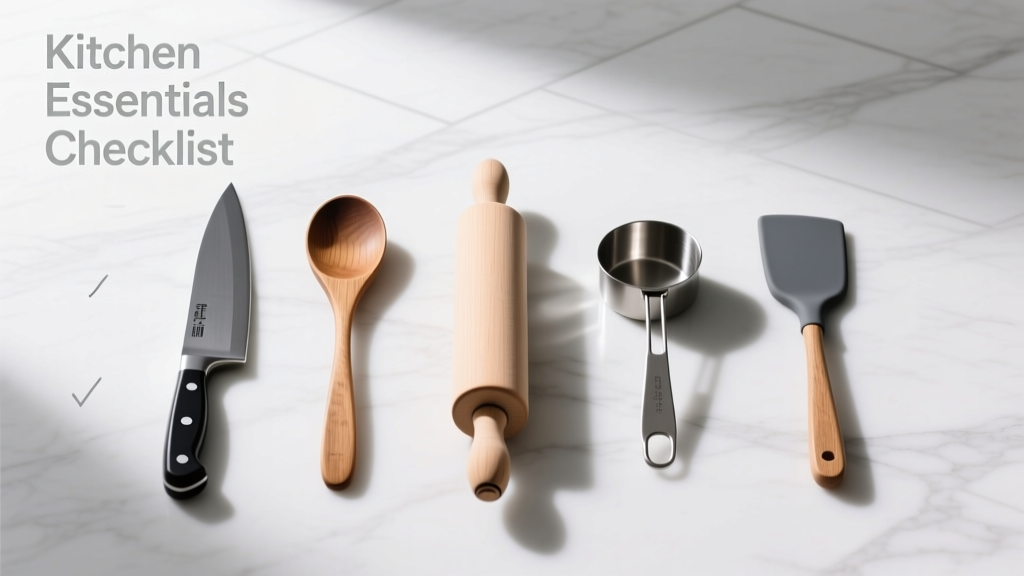 The Essential Kitchen Tools Checklist: What Every Home Cook Needs (and What You Can Skip)
 Studio and Styling Compared: What Each Service Delivers — And Why the Difference Matters in Kitchen Design
 Open Shelving Kitchen Design: Style & Function (2026)
 Kitchen Countertop Materials: Best Choices for 2026
 Small Kitchen Appliance Garage: Declutter Your Countertop
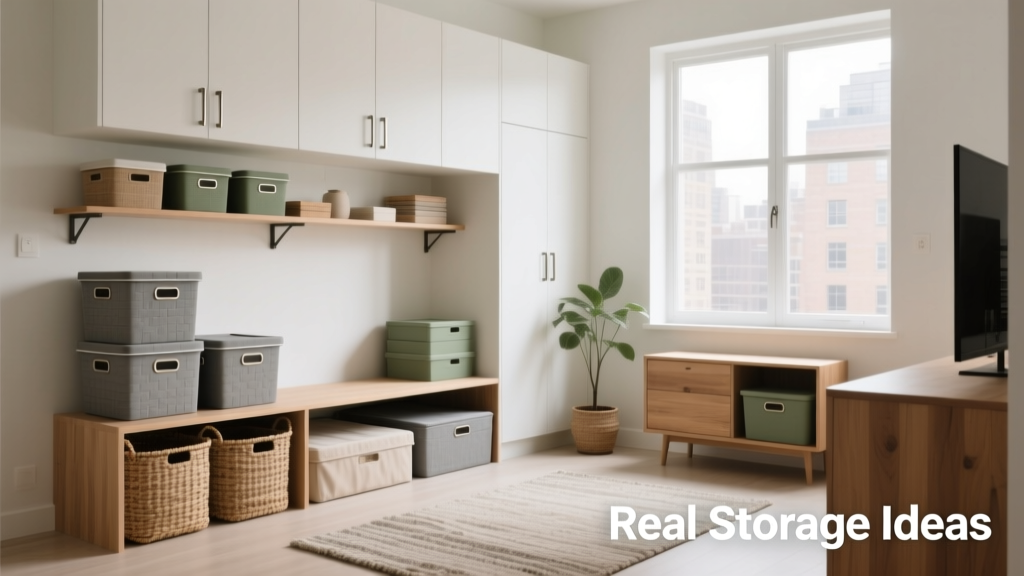 Real Storage Ideas: Practical, Proven Kitchen Organization Solutions That Actually Work
 Bedrooms for Placement: Strategic Design Principles for Rental, Resale, and Short-Term Listings
 Kitchen Snack Station: A Dedicated Zone Kids Can Reach Without Help
 Open Shelving Kitchen: Pros, Cons, Styling