# Open Shelving vs. Closed Cabinets: The Family Kitchen Storage Debate
The open shelving trend has dominated kitchen design magazines for years, but when you're running a household with children, aesthetics alone don't cut it. The real question isn't which looks better—it's which works better for your family's daily life. Let's break down the honest pros and cons of each approach.
## The Case for Open Shelving
Open shelves create an airy, spacious feeling that makes even small kitchens feel larger. They force organization because everything is visible, which can actually be a benefit—you're less likely to accumulate forgotten gadgets and expired spices.
**Where open shelving shines in family kitchens:**
- Frequently used items stay accessible—bowls, plates, cups kids use daily
- Children can see and reach their own dishes independently
- Display space for cookbooks, plants, and decorative pieces
- Lower installation cost: $50-$150 per shelf vs. $200-$500 per cabinet
**The realistic downsides:**
- Grease and dust accumulate on everything—weekly wiping required
- Mismatched dishes and cluttered arrangements look messy
- Breakable items are at risk with active children
- No hiding the chaos after a big cooking session
## The Case for Closed Cabinets
Cabinets hide the mess. That's their primary advantage, and in a family kitchen, it's a significant one. Behind closed doors, mismatched containers, kids' craft supplies, and the overflow from your pantry all disappear.
**Where cabinets excel in family kitchens:**
- Conceal clutter instantly—critical when guests drop by
- Protect dishes from kitchen grease, dust, and curious toddlers
- More storage density—you can stack and stuff without it looking bad
- Higher resale value—buyers expect cabinets, not shelves
**The trade-offs:**
- Higher cost: $5,000-$15,000 for a full kitchen cabinet installation
- Can make small kitchens feel closed in
- Items in back corners get forgotten
- Children can't see what's available, leading to "Mom, where's my cup?" on repeat
## The Hybrid Approach: Best of Both Worlds
The smartest family kitchens use both. Here's the formula that works:
**Open shelving for:**
- Upper wall areas above the sink or range (display only, not daily use)
- A dedicated kids' shelf at their height with their cups, plates, and snacks
- Coffee/tea station with mugs and supplies
- Cookbooks and decorative items
**Closed cabinets for:**
- Lower storage (pots, pans, cleaning supplies)
- Food storage and pantry items
- Fine dishes and glassware
- Under-sink areas (childproofing essential)
## Cost Comparison
| Storage Type | Per Linear Foot | Full Kitchen (25 LF) | Installation |
|-------------|----------------|---------------------|--------------|
| Open shelving (wood) | $50-$150 | $1,250-$3,750 | DIY-friendly |
| Stock cabinets | $100-$300 | $2,500-$7,500 | Professional recommended |
| Semi-custom cabinets | $200-$500 | $5,000-$12,500 | Professional required |
| Custom cabinets | $500-$1,200 | $12,500-$30,000 | Professional required |
## Material Considerations for Families
**Open shelves:** Use solid wood or high-quality plywood with a durable finish. Avoid MDF—it swells with moisture exposure and can't handle the humidity from cooking. Seal with polyurethane for easy cleaning.
**Cabinets:** Thermofoil or laminate finishes resist fingerprints and wipe clean easily. Avoid high-gloss finishes if you have toddlers—every handprint shows. Soft-close hinges are worth the $2-$5 per hinge upgrade; they prevent slamming fingers and extend cabinet life.
## Maintenance Reality Check
Be honest about your cleaning habits before committing:
- **Open shelving:** 10-15 minutes weekly dusting and wiping. Items need periodic washing even if unused.
- **Closed cabinets:** Wipe fronts monthly. Interior cleaning every 3-6 months.
If you're not a consistent cleaner, closed cabinets will serve you better. There's nothing more depressing than dusty open shelves filled with greasy dishes.
## Child Safety Considerations
Open shelving installed above counter height is generally safe—children can't reach items they shouldn't. But avoid open shelves near the stove where hot items could be pulled down.
For cabinets, invest in quality child locks for lower units containing cleaning supplies, sharp tools, or breakable items. Magnetic locks ($3-$5 each) are invisible from outside and easy for adults to open.
## What Works for Your Kitchen Size
**Small kitchens (under 150 sq ft):** Lean toward open shelving on at least one wall to prevent the space from feeling like a closet. Use cabinets for lower storage.
**Medium kitchens (150-250 sq ft):** Full hybrid approach works beautifully. Alternate open and closed sections for visual interest.
**Large kitchens (250+ sq ft):** You have the luxury of mostly cabinets with strategic open shelving as accent features.
## The Verdict
For most family kitchens, a hybrid approach delivers the best daily experience. Use open shelving where visibility and accessibility matter most—kids' items, daily coffee setup, display areas. Use cabinets where concealment and protection matter—cooking supplies, fine dishes, under-sink storage.
The "right" answer depends on your cooking frequency, cleaning habits, children's ages, and budget. But whatever you choose, commit fully. Half-hearted open shelving with cluttered, dusty items looks worse than basic cabinets.
 The Outdoor Buying Guide: Smart, Durable, and Design-Forward Choices for Patios, Decks, and Backyards
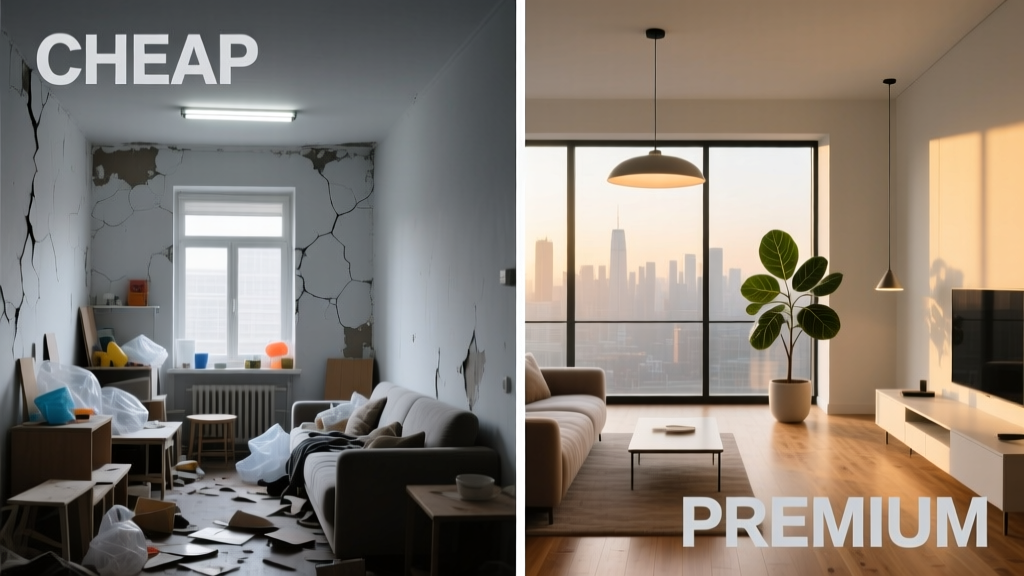 Cheap vs Premium Space: How Strategic Square Footage Decisions Shape Kitchen Function, Value, and Daily Life
 Summer Kitchen Refresh: The Complete Countertop Makeover Guide for 2026
 Kitchen Countertop Materials: Best Choices for 2026
 How To Clean Open Shelving in the Kitchen: A Practical, Science-Backed Maintenance Guide
 The Best Bedroom Built: Precision, Performance, and Human-Centered Design
 Kitchen Island Design: Heart of Your Working Kitchen
 Kitchen Island Designs for Small Spaces
 Aging-in-Place Kitchen: 7 Smart Modifications
 Kitchen Backsplash Ideas That Define Your Room (2026)