Cozy Living Room Decor: Warmth You Can Feel (2026)
Cozy Living Room Decor: Warmth You Can Feel
 Priya Sharma
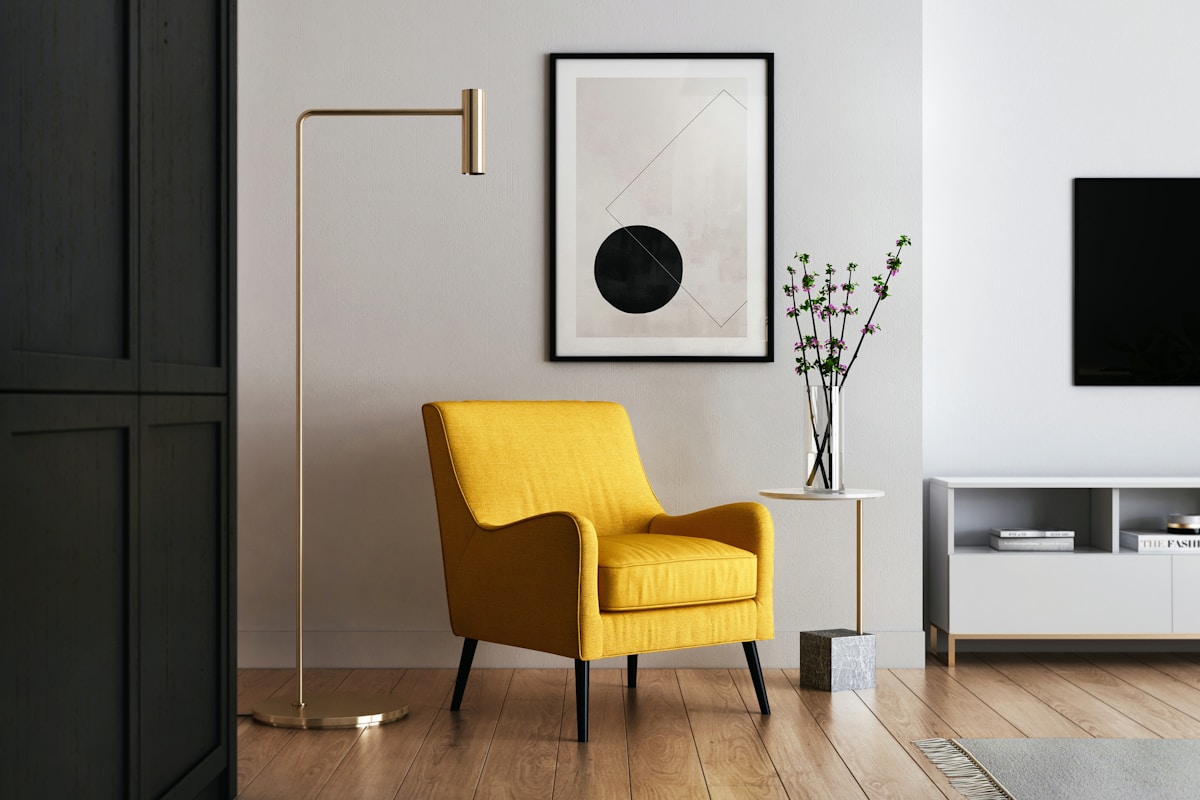
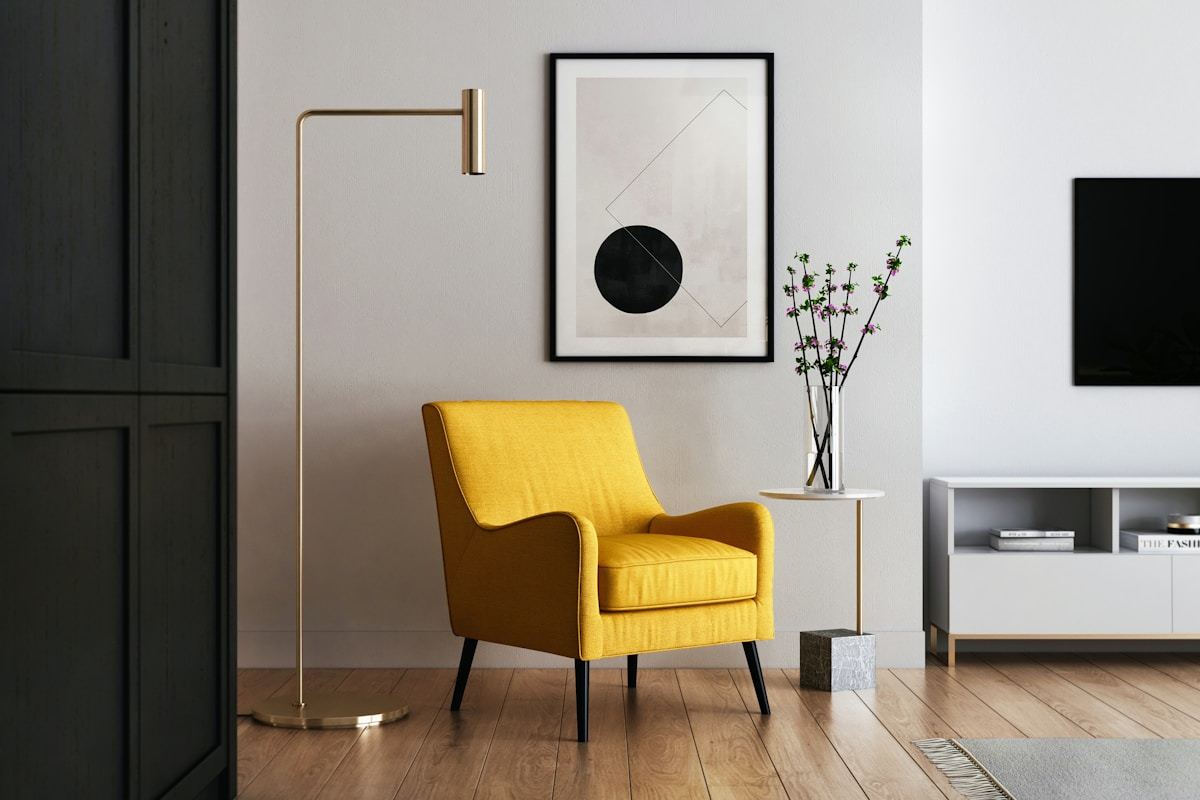
There is a particular feeling you get when you walk into a room and immediately want to sit down, stay a while, and exhale. It is not accidental. That feeling is the product of deliberate design choices -- layered textures, carefully scaled furniture, lighting that flatters rather than interrogates, and a color palette that whispers rather than shouts. Creating that feeling in your own living room is more achievable than most people realize.
The desire for cozy living spaces has intensified sharply since 2020. Data from the American Home Furnishing Alliance shows that living room furniture sales increased 38% between 2020 and 2024, with "comfort-focused" categories like oversized sectionals, plush throw pillows, and soft area rugs growing at nearly twice the rate of traditional seating. The message from consumers is unmistakable: after years of spending more time at home, people want their living rooms to feel like sanctuaries.
The Hygge Principle: Scandinavian Comfort
The Danish concept of "hygge" (pronounced hoo-gah) has been referenced in design media for years, but its actual application in living room design remains underutilized. Hygge is not a style -- it is an approach to atmosphere. It prioritizes warmth, presence, and the sensory experience of being in a space over visual perfection.
Dr. Kira Lindholm's research at the Danish Design School (2024) identified five environmental factors that consistently trigger hygge responses in study participants: soft, diffused lighting; tactile surfaces at arm's reach; enclosed or semi-enclosed seating arrangements; warm color temperatures below 3000K; and the presence of natural materials. These findings provide a practical framework for creating cozy living rooms regardless of aesthetic preference.
The key insight from hygge philosophy is that coziness is experienced through the body, not just the eyes. A room can look beautiful in photographs and still feel cold in person. The reverse is also true -- spaces that appear unremarkable in images can feel deeply welcoming when you are actually sitting in them. Designing for physical comfort first, visual impact second, is the hygge approach to living room decor.
Layering Textures That Invite Touch
Texture is the most underleveraged tool in living room design. Most homeowners think carefully about color and furniture placement but give texture only passing attention. Yet texture is what makes a room feel rich and inhabited rather than staged and flat.
Effective texture layering follows a simple principle: every surface you can touch should offer a different tactile experience. In a well-designed cozy living room, your hand might encounter the nubby weave of a wool throw, the smooth coolness of a ceramic vase, the soft pile of a shag rug, the worn grain of a wooden side table, and the plush velvet of a cushion -- all within a single sitting position.
- Area rugs -- The foundation layer. A rug with visible pile height (at least 0.5 inches) immediately signals comfort underfoot. Natural fibers like wool and jute add textural complexity that synthetic materials cannot match.
- Throw blankets -- Drape at least two throws of different materials across your seating. A chunky knit cotton paired with a brushed cashmere creates both visual and tactile contrast.
- Cushions in varied fabrics -- Mix velvet, linen, cotton, and leather pillows on each seating piece. Aim for three to five cushions per seat in a progression of sizes.
- Window treatments ? Floor-length curtains in heavy linen or velvet add softness to hard window edges and improve the room's acoustic comfort by absorbing sound.
- Wall treatments -- Textured wall finishes like limewash paint, grasscloth wallpaper, or wood paneling add a dimensional quality that flat paint cannot achieve.
Interior stylist Amara Osei, writing for Livingetc in 2025, quantified this approach: "In every cozy room I design, I count a minimum of six distinct textures visible from the primary seating position. Fewer than six and the room reads as flat. More than ten and it starts to feel chaotic. Six to eight is the sweet spot."
Lighting: The Architecture of Mood
If texture is the most underleveraged tool in living room design, lighting is the most frequently misused. The standard approach of a single overhead ceiling light is, from a coziness perspective, actively harmful. Overhead lighting casts harsh shadows, flattens texture, and creates a clinical atmosphere that no amount of soft furnishings can fully counteract.
The lighting strategy for a cozy living room should be built on three layers, each serving a different purpose:
- Ambient lighting -- Low-level, warm-toned general illumination from wall sconces, floor lamps, or table lamps positioned around the room's perimeter. Target 1500-2000 lumens total, spread across at least three sources.
- Task lighting ? Focused light for reading or activities. A floor lamp beside the primary reading chair or a table lamp on a side table. Keep this slightly brighter -- around 400-600 lumens from a single source.
- Accent lighting -- Decorative and atmospheric. Candlelight, LED strips behind shelving, or a small picture light over artwork. These sources should be dim enough that you barely notice them individually but collectively add depth and warmth.
"Lighting is not something you add to a room at the end. It is the medium through which every other element in the room is perceived. If you get the lighting wrong, you get everything wrong."
-- Thomas Barbey, Residential Lighting Design, 2024
A 2025 study published in Building and Environment journal measured the psychological impact of different living room lighting configurations. Participants in rooms with layered, warm-toned lighting (2700K-3000K) reported 42% higher comfort ratings and spent an average of 35 minutes longer in the space compared to those in rooms lit by a single overhead source at 4000K.
Furniture Scale & Conversation Zones
Furniture arrangement is where many living room designs stumble. The most common mistake is pushing all furniture against the walls, creating a large empty center that feels more like a waiting room than a gathering space. Cozy living rooms pull furniture inward and create defined conversation zones.
A conversation zone is a cluster of seating arranged so that everyone can see and speak to everyone else without raising their voice. The ideal distance between facing seats is 6 to 10 feet -- close enough for easy conversation but far enough that knees do not collide. For rooms that accommodate multiple zones, a minimum of 3 feet of walking space should separate each zone.
| Room Size | Primary Seating | Secondary Seating | Coffee Table | Coffee Table Distance |
|---|---|---|---|---|
| Small (under 200 sq ft) | Loveseat (54-64") | 1 accent chair | 36" round or oval | 14-18" from sofa |
| Medium (200-350 sq ft) | Standard sofa (78-88") | 2 accent chairs | 48" rectangular | 16-20" from sofa |
| Large (350-500 sq ft) | Sectional (100-120") | 2 chairs + bench | 60" large rectangular | 18-22" from sofa |
| Open plan (500+ sq ft) | Multiple zones | Mixed per zone | Varies by zone | 18-24" per zone |
The distance between the coffee table and sofa matters more than most people realize. Too far, and reaching for a drink feels awkward. Too close, and the room feels cramped. The 14-22 inch range allows comfortable leg extension while keeping drinks within easy reach. This measurement, recommended by ergonomics researcher Dr. Helen Park (2025, Applied Ergonomics), is based on average human reach patterns in seated positions.
Warm Color Palettes for Every Style
Color sets the emotional baseline for any room. For a cozy living room, the palette should lean warm -- not necessarily in the sense of orange and red tones, but in the sense of colors with warm undertones. Even a living room done entirely in white can feel cozy if those whites carry cream, ivory, or warm gray undertones rather than blue or green.
The most reliable cozy palettes for 2026 share common characteristics:
- Base tone -- A warm neutral (cream, taupe, greige, or warm gray) that covers walls and large surfaces
- Mid tone -- A color with warmth and personality -- terracotta, olive green, warm navy, or muted plum -- applied to one or two accent surfaces
- Deep tone -- A darker color for grounding: charcoal, espresso brown, deep forest green, or near-black navy
- Metallic -- Warm metals like brass, copper, or bronze in hardware and accessories
Avoid cool undertones in your base palette. Whites with blue undertones, grays with green, and beiges that read as pink can all work in other contexts but tend to undermine the cozy atmosphere you are building. If you are unsure whether a color has warm or cool undertones, compare it side by side with a known warm reference -- a cream paint chip or a piece of natural wood.
The Two-Minute Color Test
Before committing to any paint color, paint a two-foot square sample on your living room wall. Live with it for 48 hours. Observe it in morning light, afternoon sun, and evening lamp light. If the color ever makes you feel cold, distant, or restless, it is not the right choice for a cozy room -- regardless of how beautiful it looked in the store.
Personal Objects & Meaningful Displays
No living room feels truly cozy without evidence of the people who live there. A room filled with perfectly coordinated store-bought decor and nothing personal feels like a hotel lobby -- attractive, perhaps, but not a place you want to curl up with a book. Personal objects are what transform a designed space into a lived-in home.
This does not mean displaying every souvenir and family photograph you own. The key is curation. Choose objects that carry genuine meaning and display them thoughtfully. A small gallery wall of six well-chosen photographs carries more emotional weight than forty images crammed into a grid. Three books stacked on a side table with one face-out tell visitors something about who you are without overwhelming the space.
Design psychologist Dr. Yuki Tanaka's 2025 research at Kyoto University explored the relationship between personal object display and perceived coziness. Across 800 participants viewing photographs of living rooms, spaces with 5-12 visible personal objects were rated as significantly cozier than both sparsely decorated rooms and rooms cluttered with personal items. The finding suggests a clear optimal range: enough personal presence to feel human, not so much that the eye cannot rest.
Seasonal Shifts: Keeping Cozy Year-Round
A cozy living room should adapt to the seasons. The textures, colors, and lighting that feel comforting in December can feel stifling in July. The most comfortable living rooms evolve subtly throughout the year without requiring a complete redecoration.
- Spring -- Swap heavy wool throws for cotton or linen. Introduce lighter cushion covers in fresh greens or soft blues. Open curtains wider to let in natural light.
- Summer -- Reduce the number of cushions and throws. Shift to a lighter rug or remove it entirely in hot climates. Use sheer curtains to filter intense sunlight while maintaining airiness.
- Autumn -- Bring back the wool throws. Add deeper, richer accent colors -- burnt orange, mustard, burgundy. Introduce candlelight earlier in the evening.
- Winter -- Maximum layering. Multiple throws per seating, full curtains, candles lit from late afternoon. Consider a seasonal rug change to a deeper pile or darker color.
The principle behind seasonal adjustment is simple: your living room should feel like the room you want to be in, right now, in this weather. A winter cocoon and a summer breeze require different design responses, and a living room that acknowledges that fact will always feel more comfortable than one that stays the same regardless of what is happening outside the windows.
More Articles
 Living Room Layouts That Give Dogs Room to Roam Without Sacrificing Style
 Best Outdoor Furniture for Palette: Color, Material, and Design Harmony
 Open Care and Maintenance: A Practical, Science-Backed System for Living Spaces
 How to Start Styleguides: A Practical, Step-by-Step Framework for Living Spaces
Statement Sofas That Define Your Living Room
How to Start Styleguides: A Practical, Step-by-Step Framework for Living Spaces
Statement Sofas That Define Your Living Room
 Contemporary Living Room Design Principles (2026)
 The Best Living Room Setup Budget: Smart Spending for Maximum Impact (2024)
 Best Living Rooms for Safety: Designing a Secure, Accessible, and Resilient Home Hub
 Gallery Wall Layouts That Look Intentional
 Eco-Friendly Living Room Design: Stylish & Sustainable