Living Room Plant Styling: From Basic to Botanical
Plants as Design Elements
Beyond their air-purifying benefits, plants are powerful design tools. They add vertical interest, soften hard architectural lines, introduce organic color, and create natural focal points. A well-placed plant does the work of multiple decorative objects.
Scale Hierarchy
Layer plants at three heights: floor-standing specimens (fiddle leaf fig, olive tree, bird of paradise), mid-level shelf plants (pothos, philodendron, peperomia), and small accent plants (succulents, air plants, small ferns). This vertical distribution fills the room without clustering everything at one level.
Statement Floor Plants
- Fiddle leaf fig: Sculptural leaves, architectural presence — needs bright indirect light
- Olive tree: Mediterranean elegance, tolerates some direct sun
- Kentia palm: Feathery fronds, excellent in low-to-medium light
- Rubber plant: Bold glossy leaves, forgiving care requirements
- Bird of paradise: Dramatic tropical impact, needs bright light
Pot Selection
The pot is half the design statement. Woven baskets add texture, matte ceramic in earth tones provides quiet elegance, and metallic planters in brass or copper introduce warmth. Always use a pot with drainage or a decorative outer pot with a liner — root rot kills more houseplants than anything else.
Shelf and Surface Styling
Trailing plants like pothos and string of pearls cascade beautifully from high shelves and bookcases. Group two or three small plants on a coffee table or sideboard with varying heights — a tall snake plant beside a low succulent arrangement creates natural composition.
The Rule of Odd Numbers
Group plants in odd numbers: three on a shelf, five on a windowsill, one as a solo statement. Odd groupings feel organic and intentional, while even numbers can read as overly symmetrical and formal for living spaces.
Light Assessment
Before choosing plants, honestly assess your light. South-facing windows provide bright direct light. East and west windows offer bright indirect. North-facing rooms get low light. Match plants to conditions rather than fighting nature — a struggling plant never looks good regardless of how well-styled it is.
Low-Light Winners
Snake plants, ZZ plants, cast iron plants, and peace lilies thrive in low-light conditions. Don't waste south-window plants in dark corners — they'll stretch, fade, and decline, creating visual disappointment instead of botanical beauty.
Maintenance Reality Check
Be honest about your care commitment. If you travel frequently or forget to water, choose drought-tolerant species: snake plants, ZZ plants, cacti, and succulents. If you enjoy daily plant care, ferns, calatheas, and tropical species will reward your attention with lush, vibrant growth.
More Articles
 Family Living Room: Durable Fabrics That Look Luxurious
 Multi-Pet Living Room: Designing for Dogs, Cats, and Humans Together
 Open Plan Living Room: Zoning Without Walls ? The Decor Mag
 Gallery Wall Layouts That Look Intentional
 Rooms Kitchens Essentials: Functional Design, Smart Layouts, and Time-Tested Must-Haves
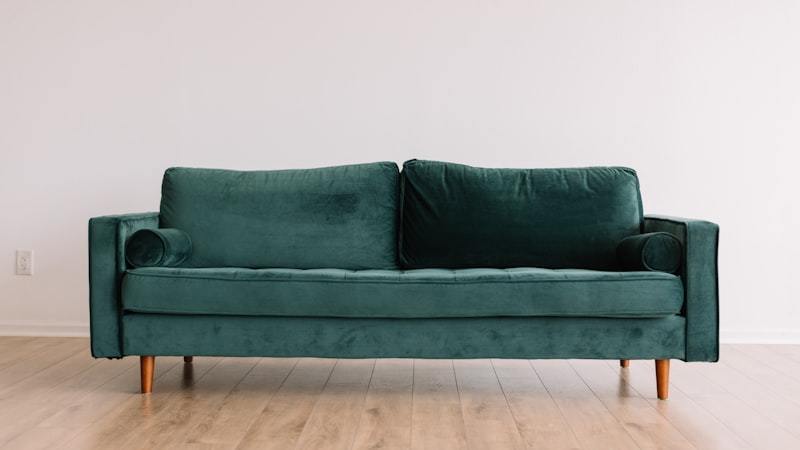 Living Room Layouts That Give Dogs Room to Roam Without Sacrificing Style
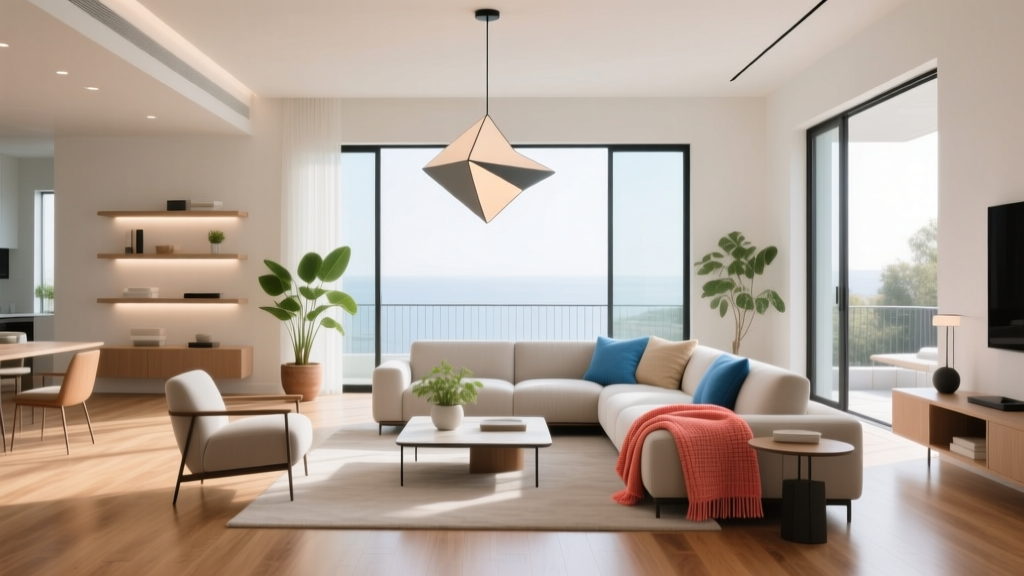 Minimalist Living Room Under 200 Sq Ft: Making Small Spaces Feel Expansive
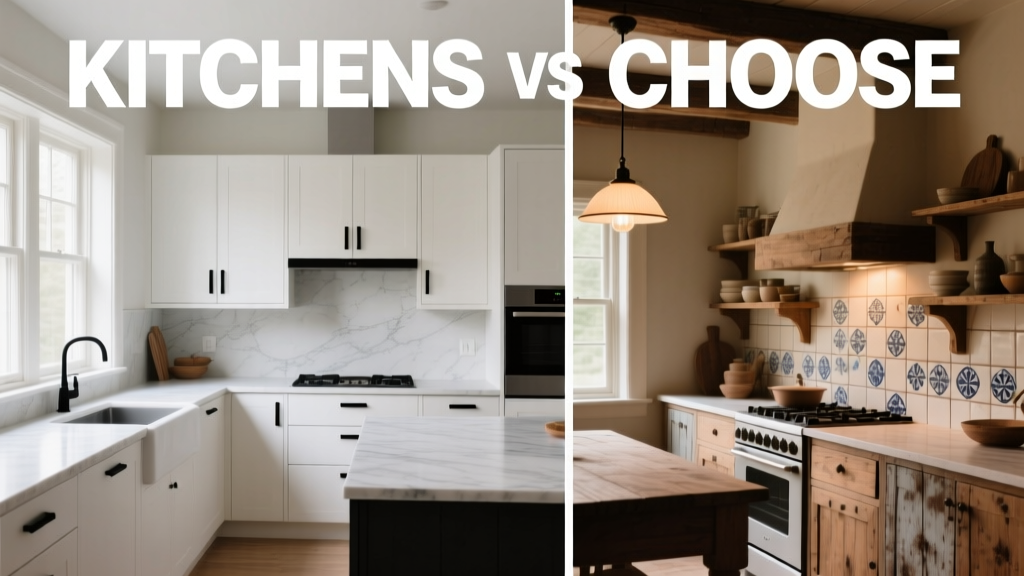 Kitchens vs. Choose: Decoding the Critical Distinction Between Kitchen Layouts and Cabinet Selection Systems
 How to Start Styleguides: A Practical, Step-by-Step Framework for Living Spaces
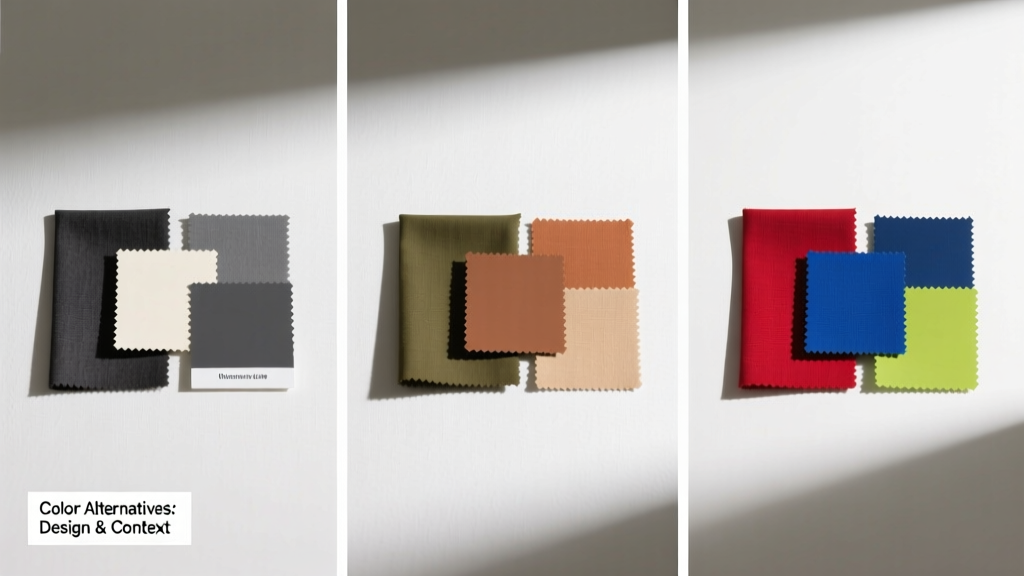 Beyond Paint Swatches: 7 Functional, Textural, and Spatial Setup Alternatives to Relying on Color Alone