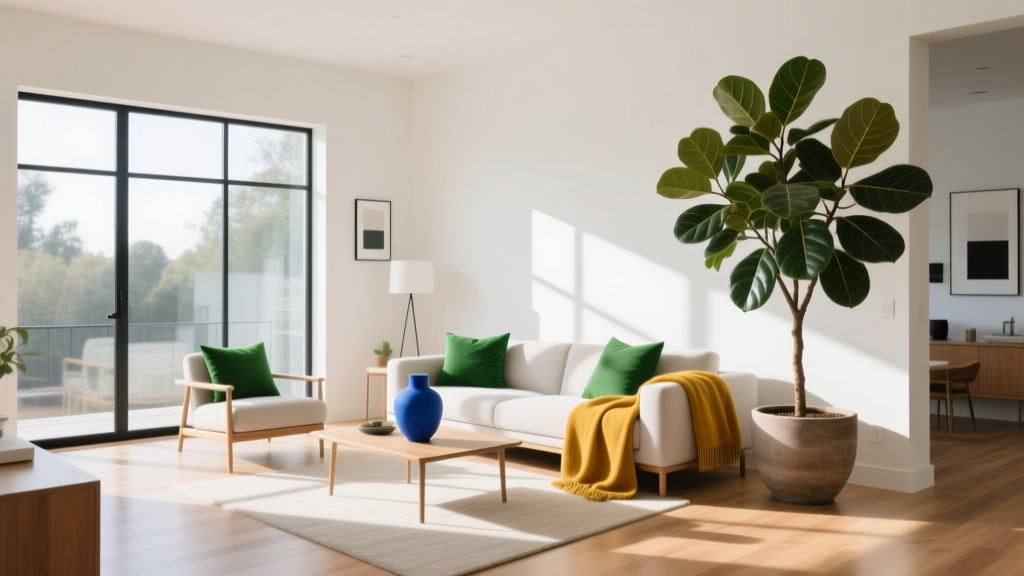
Smart Lighting for Seniors: Safety Meets Style
Light as a Safety Tool
Poor lighting contributes to falls, eye strain, and disrupted sleep patterns — all significant concerns for older adults. Smart lighting systems address each of these issues while looking better than traditional fixtures. Here's how to set up a senior-friendly lighting system.
Motion-Activated Path Lighting
Install motion sensors along the path from bedroom to bathroom. Low-level LED strip lights under cabinets or toe-kick lighting in hallways illuminate the route without the glare of overhead lights. Set them to activate at 10% brightness — enough to see by, not enough to trigger full alertness.
Key placements: beside the bed, hallway corners, bathroom doorway, and inside the bathroom. Battery-powered options require no wiring and can be installed in minutes.
Voice Control for Limited Mobility
Voice-activated lighting eliminates the need to get up and walk to a switch. A simple "turn off all lights" command from bed is both convenient and a fall prevention measure. Pair smart bulbs with Amazon Echo, Google Nest, or Apple HomePod for voice control.
Set up routines: "Good morning" turns on kitchen and bathroom lights gradually. "Good night" dims everything except the hallway path lights. Keep commands simple and consistent — seniors adapt quickly when the vocabulary is predictable.
Circadian Lighting for Better Sleep
Circadian rhythm disruption is common with aging. Smart bulbs that shift from cool white (energizing) in the morning to warm amber (sleep-promoting) in the evening can improve sleep quality. Look for bulbs with a wide color temperature range (2200K-6500K).
Automate the transition so it happens without any user action. Most smart lighting systems offer a "natural light" or "circadian" mode that handles this automatically.
Brighter Where It Matters
Aging eyes need 3-4 times more light for detailed tasks than younger eyes. Increase task lighting in areas where reading, cooking, and medication management happen. Under-cabinet lights in the kitchen, a quality reading lamp beside the favorite chair, and well-lit bathroom mirrors are non-negotiable.
Emergency Lighting
Smart lighting can serve as an emergency alert system. Configure a specific pattern (all lights flashing, or a particular color) to signal when the doorbell rings, the smoke detector activates, or a phone call comes in. For hearing-impaired seniors, visual alerts are essential.
Keeping It Simple
The best smart lighting setup is one the user actually operates. Avoid complex apps with dozens of settings. Instead:
- Pre-program everything so it runs automatically
- Use physical smart switches (not just phone apps) as backup controls
- Label switches clearly if multiple zones exist
- Choose systems with offline functionality so lights work even without internet
Budget-Friendly Starter Kit
You don't need to smart-light the entire house at once. Start with the bedroom (motion-activated night light + voice-controlled overhead), then expand to the bathroom and hallway. A basic setup with 4-6 smart bulbs, a hub, and 2 motion sensors costs under $150.
More Articles
 How To Clean Bedside Tables: A Practical, Step-by-Step Guide for Health and Longevity
 Kitchens vs. Choose: Decoding the Critical Distinction Between Kitchen Layouts and Cabinet Selection Systems
 Small Living Room Storage: Hidden Solutions Under 200 Square Feet
 The Best Living Room Setup Budget: Smart Spending for Maximum Impact (2024)
 Best Living Rooms for Safety: Designing a Secure, Accessible, and Resilient Home Hub
 Beyond Paint Swatches: 7 Functional, Textural, and Spatial Setup Alternatives to Relying on Color Alone
 Family Game Night Living Room: Flexible Seating Arrangements That Actually Work
 Best Living Rooms for Storage: Smart, Stylish, and Space-Savvy Solutions
 Best Kitchen Design for Sustainable Living: Practical, High-Performance Solutions That Last
 The Ultimate Headboard Checklist: 12 Must-Verify Factors Before You Buy or Install