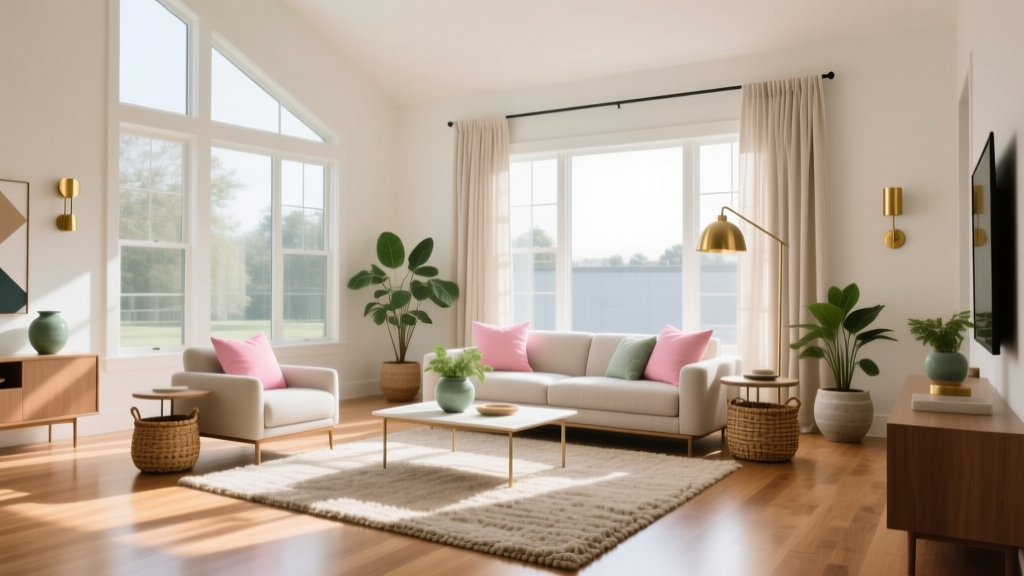
Studio Living Room Ideas to Maximize Space
Small Space, Big Possibilities
A studio apartment's living area often shares square footage with your bedroom, kitchen, and dining space. That doesn't mean it can't feel like a proper living room. With the right furniture choices and visual strategies, even 150 square feet can feel like a genuine gathering space.
The Furniture Scale Rule
Every piece of furniture in a studio should be proportional to the space. This means:
- Sofa: Apartment-scale or loveseat (60-72 inches wide). Full sofas overwhelm studios and block pathways.
- Coffee table: Narrow and rectangular, or a pair of small nesting tables. Round tables waste corner space.
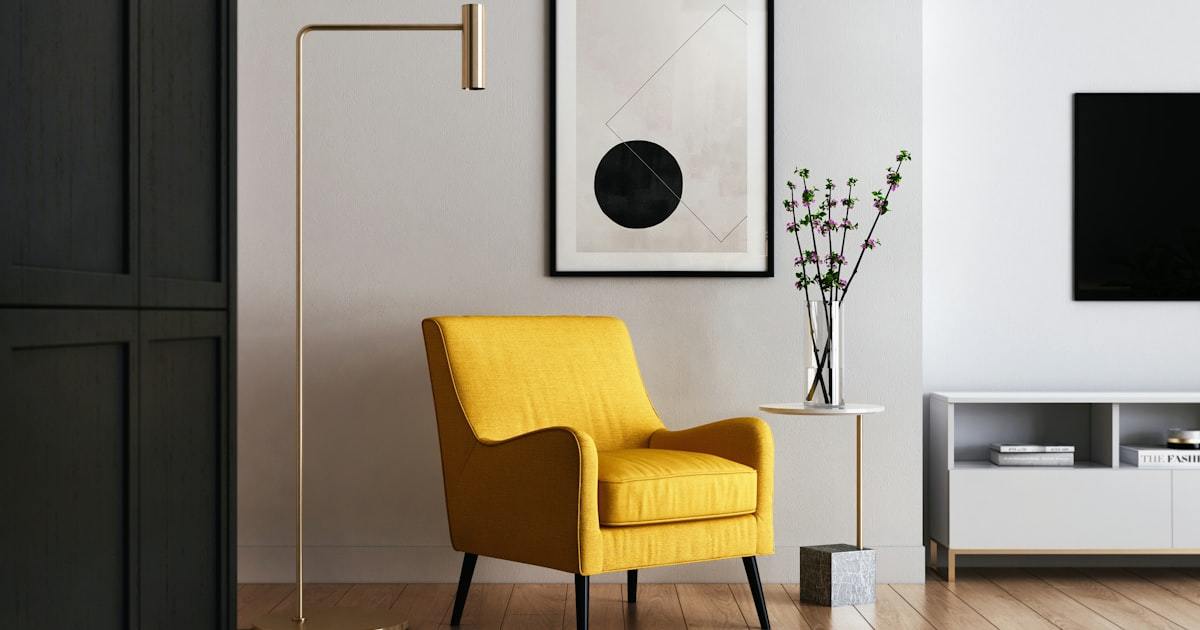
- Accent chair: Armless or slim-arm designs. Wingback chairs and oversized accent chairs eat up precious floor area.
- Bookshelf: Tall and narrow (vertical storage) rather than wide and low. Goes up, not out.
Layout Strategies That Work
The Floating Sofa
In studios, the sofa often serves as the divider between living and sleeping areas. Float it perpendicular to the longest wall, with its back creating a visual barrier to the bed. Add a narrow console table behind it for a lamp, books, and a visual anchor.
The Corner Nook
If your studio has an L-shape or alcove, dedicate it entirely to the living room. A small sectional tucked into a corner creates a cozy, defined living space that doesn't bleed into sleeping territory.
The One-Wall Approach
Keep all living room furniture on one wall. Sofa against the wall, TV above or on a low console, floating shelves above. This creates a clear "living room zone" and leaves the rest of the floor open for movement and other functions.
Visual Tricks That Expand Space
Mirrors: A large mirror on the wall opposite a window doubles the natural light and creates the illusion of depth. Lean a floor mirror against the wall for an effortless, gallery-like feel.
Leggy furniture: Sofas and chairs with visible legs (rather than skirted or block-base) allow light to flow underneath, making the room feel less crowded.
Consistent color palette: When walls, furniture, and textiles share a cohesive color family, the eye doesn't stop at visual boundaries. The room reads as one continuous space rather than a collection of objects.
Curtains hung high: Mount curtain rods close to the ceiling and let curtains fall to the floor. This draws the eye upward and makes ceilings feel taller.
Multi-Function Pieces
In a studio, every piece should earn its place by serving multiple functions:
- Storage ottoman: Coffee table by day, extra seating for guests, storage for blankets and games
- Drop-leaf dining table: Console against the wall during the week, expanded for weekend dinner guests
- Sleeper sofa or daybed: If guests crash occasionally, a sleeper sofa eliminates the need for a guest room
- Wall-mounted desk: Folds flat when not in use, provides a workspace without claiming permanent floor space
Lighting in Compact Spaces
Avoid floor lamps that claim valuable floor area. Instead:
- Wall sconces (plug-in options don't require hardwiring)
- Clip-on reading lights
- Pendant lights over key areas (they use vertical space, not floor space)
- LED strip lighting under floating shelves for ambient glow
Final Thought: Edit Ruthlessly
The most impactful thing you can do for a studio living room is remove one piece of furniture. We overestimate how much we need. Try living with less for a month — you might find you never miss it.
More Articles
 Summer Living Room Refresh: 10 Under-$200 Updates
 Conversation Pit Living Room Ideas
 Kid-Proof Living Rooms That Still Look Chic
 Cat-Friendly Living Room Shelves: Style + Function
 Kitchen Layouts vs. Cabinet Systems: Key Differences 2026
 7 Proven Ways to Mix Vintage & Modern Furniture in 2026
 2026 Science FAQ: Evidence-Based Answers to Common Questions
 2026 Living Room Design Guide: Inspire & Endure
 Best Storage Living Rooms: Smart & Stylish Solutions 2026
 Open-Plan Living with Kids: Zones That Work for Everyone