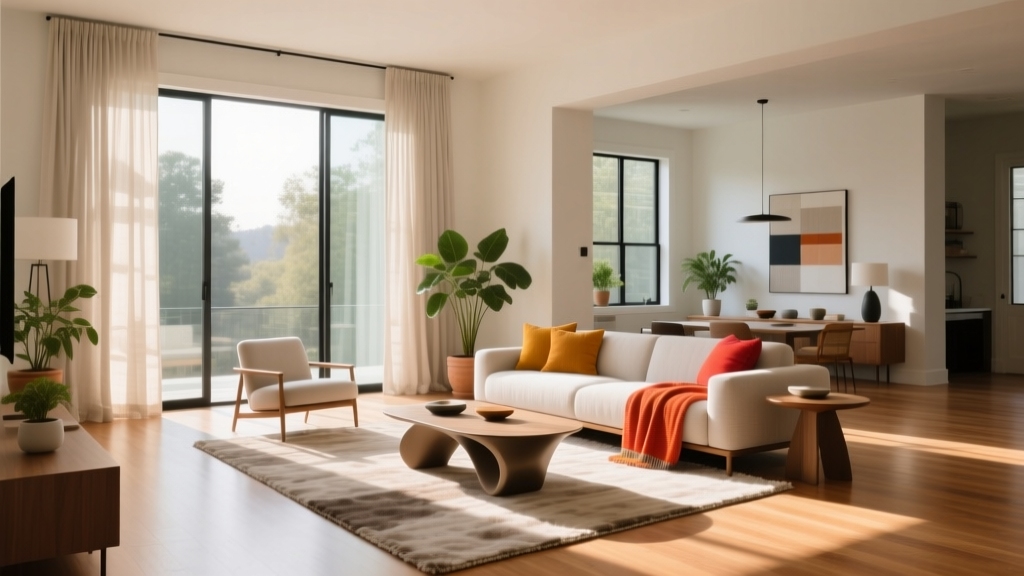
Studio Living Room Zones That Work
The Challenge of Studio Living
In a studio apartment, your living room is also your bedroom, office, dining room, and sometimes gym. The key to making it feel organized rather than chaotic is zoning — creating visual and functional boundaries without walls. Here's how to divide a studio into zones that each feel intentional.
Zone 1: The Lounge Area
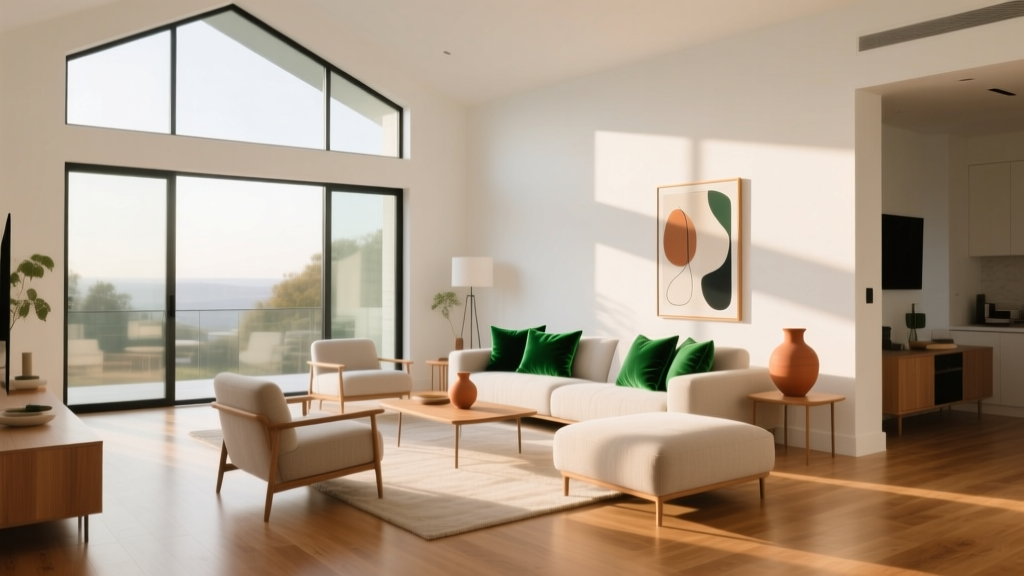
Anchor your living zone with a sofa or loveseat and an area rug. The rug defines the boundary — everything on it is "lounge," everything off it is something else. In studios under 500 square feet, a 5x7 rug works well. Choose a low-profile sofa (under 34 inches tall) so it doesn't visually block the room when viewed from the entrance.
Zone 2: The Sleep Nook
If you can't afford a Murphy bed, create a sleep zone with a room divider. Options include:
- A tall bookshelf (open-backed, facing both zones) — doubles as storage
- A curtain on a ceiling track — close it at night, open it during the day
- A folding screen — portable, no installation needed
The goal is visual separation, not soundproofing. Just being unable to see your bed from the sofa makes the living area feel more like a living area.
Zone 3: The Work Area
A small desk against a wall or in a corner becomes your work zone. Use a task lamp to signal "this is where I work" — different lighting creates a psychological boundary. When the lamp is off, the desk becomes a console table or display surface. A wall-mounted drop-leaf desk saves floor space when not in use.
Lighting as a Zoning Tool
Different zones need different lighting:
- Lounge: Warm ambient light — floor lamp with dimmer
- Sleep: Soft bedside lamp, warm white (2700K)
- Work: Cool task light (4000K), focused beam
- Dining: Pendant light directly above the table
When you change the lighting, you change the room. Turning on the work lamp while the lounge lamp is dimmed makes the work zone feel active and the lounge zone recede into the background.
Color Coding
Subtle color shifts between zones reinforce boundaries without adding clutter. Keep walls the same color throughout (this makes the space feel larger), but use different accent colors in textiles: blue throws in the lounge, green bedding in the sleep nook, neutral desk accessories in the work zone.
A studio doesn't have to feel like one big room. With rugs, lighting, and thoughtful furniture placement, you can create a home that feels like it has real rooms — even when it's all one space.
More Articles
 Best Budget Living Room Setup for Maximum Impact (2026)
 Open Layout Living Room Flow Tips
 Summer Living Room Refresh: 10 Under-$200 Updates
 Best Living Room Design Ideas for 2026
 Studio Apartment Room Dividers for Privacy in 2026
 Cozy Living Room Ideas for Fall & Winter 2026
 Living Room Rug Ideas That Define Your Space
 Future-Ready Aging Housing Options for 2026
 Family Game Night Seating Ideas for 2026
 Family-Proof Living Room Layouts That Stay Stylish