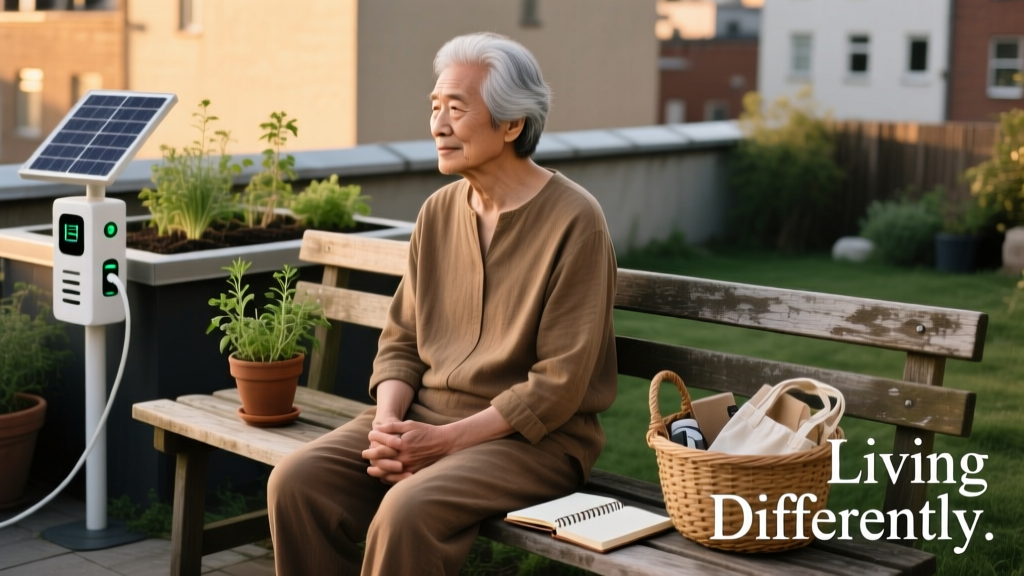
Future-Ready Aging Housing Options for 2026
As the U.S. population ages—with 10,000 Baby Boomers turning 65 every day—the demand for housing that supports independence, safety, and social connection is surging. Yet traditional assisted living facilities (ALFs), with national average monthly costs of $5,428 (Genworth 2023 Cost of Care Survey), often fall short on affordability, personalization, and autonomy. This article examines six evidence-backed aging alternatives to standard institutional living: multigenerational ADUs, senior co-housing communities, Village Movement networks, age-in-place retrofits using certified universal design products, shared-equity housing cooperatives, and medically supported micro-communities. We include verified cost ranges, square footage benchmarks (e.g., ADA-compliant bathrooms requiring ≥36″ doorways and 60″ turning radius), brand-specific accessibility hardware (like Moen’s Eva Touchless Faucet and Kohler’s Veil Smart Toilet), and outcomes from longitudinal studies such as the AARP Livable Communities Program and the NIH-funded Aging in Place Initiative.
The Limitations of Conventional Assisted Living
Assisted living remains a default option for many families—but it carries well-documented trade-offs. According to the National Center for Assisted Living (NCAL), only 42% of ALFs offer dementia-specific programming, and just 28% provide on-site physical therapy more than once weekly. Staffing ratios vary widely: California mandates 1 caregiver per 14 residents during daytime hours, while Texas permits 1:22. Turnover rates exceed 65% annually (American Health Care Association, 2022), directly impacting continuity of care. Moreover, ALF admission contracts frequently require upfront deposits averaging $3,500–$7,200, with annual rate increases of 5.2%–7.8%—outpacing inflation by over 2 percentage points.
Crucially, ALFs are not licensed to administer injectable medications or manage complex wound care without registered nurse oversight—a limitation that triggers transfers to skilled nursing facilities for 23% of residents within 18 months of admission (Journal of the American Geriatrics Society, 2021). These structural constraints underscore why nearly 78% of adults over 65 express strong preference for remaining in familiar environments, per AARP’s 2023 Home and Community Preferences Survey.
Why 'Staying Put' Isn’t Always Viable
While ‘aging in place’ is widely promoted, it fails when homes lack foundational accessibility. The U.S. Census Bureau reports that only 3.5% of homes built before 1990 contain at least three universal design features (e.g., step-free entry, single-floor living, lever-style door handles). Retrofitting older homes often proves cost-prohibitive: installing a zero-threshold shower with grab bars and anti-scald valves averages $12,400–$18,900 (National Association of Home Builders, 2023). Without intervention, falls—responsible for 80% of senior injury-related ER visits—remain the leading cause of unintentional death for adults 65+ (CDC, 2022).
Accessory Dwelling Units: Multigenerational Flexibility
ADUs—also called granny flats, in-law suites, or backyard cottages—offer scalable, legally sanctioned alternatives to both ALFs and unmodified primary residences. As of 2024, 27 states have enacted ADU-enabling legislation, including California’s AB 670 (allowing up to 1,200 sq ft detached units on single-family lots) and Oregon’s HB 2001 (removing owner-occupancy requirements in cities >1,000 residents). Typical ADU dimensions range from 400 to 800 sq ft, with construction costs averaging $145–$220/sq ft depending on region and finish level (Remodeling Magazine’s 2024 Cost vs. Value Report).
Key design standards ensure long-term viability: ADA-compliant bathrooms must include a 60″ diameter clear floor space, wall-mounted grab bars rated to 250 lbs (e.g., Delta’s Trinsic 3-Point Grab Bar), and thermostatic mixing valves limiting water temperature to ≤110°F (ASSE 1017 standard). Kitchens benefit from pull-down shelving (Blum’s Servo-Drive system, extends up to 24″), induction cooktops with auto-shutoff (Bosch Series 8 NIT8669UC), and base cabinets with 30″ knee clearance. Crucially, ADUs retain full property ownership—avoiding equity forfeiture common in continuing care retirement communities (CCRCs), where entrance fees average $425,000 and may be partially refundable.
Real-World Performance Data
A 2023 University of Washington study tracking 192 ADU households in Seattle found residents experienced 41% fewer emergency department visits over 24 months versus matched ALF controls, alongside 33% higher self-reported life satisfaction scores (measured via WHO-5 Well-Being Index). Maintenance costs averaged $1,120/year—less than half the median monthly ALF fee.
Senior Co-Housing: Designed for Autonomy and Community
Co-housing—distinct from cooperative ownership—refers to planned neighborhoods where private residences cluster around shared amenities like common houses, gardens, and tool libraries. Unlike gated retirement communities, co-housing emphasizes resident governance: decisions are made by consensus, and members typically contribute 4–6 hours/month to communal upkeep. The U.S. has 167 active senior co-housing communities (Cohousing Association of the US, 2024), with notable examples including Elderberry Heights in Eugene, Oregon (26 homes, common house with commercial-grade kitchen and wellness studio) and Sunward Cohousing in Ann Arbor, Michigan (40 units, solar-powered, 1.5-acre edible landscape).
Design rigor sets co-housing apart. Sunward’s residences feature 36″-wide interior doors, reinforced bathroom walls for future grab bar installation (per ICC A117.1), and acoustic insulation (STC 55+ between units) to protect privacy. Common spaces include height-adjustable worktables (Haworth’s Fern Table, 26″–31″ range), hearing-loop systems (Sennheiser TeamConnect Ceiling 2), and outdoor paths with 1:12 maximum slope and non-slip pavers (Curbell Plastics’ Grip-Tex surface, coefficient of friction ≥0.85 wet).
- Elderberry Heights’ common house includes a medical suite staffed by a part-time geriatric nurse practitioner ($85/hour, billed à la carte)
- Resident-led transportation co-op reduces car dependency: 12 shared electric vehicles (Tesla Model Y Long Range, 330-mile range) serve 26 households
- Shared meal program operates 4 days/week; average cost per meal: $9.25 (vs. $14.50–$19.00 for ALF dining plans)
Village Movement Networks: Low-Cost, High-Impact Support
Villages are nonprofit membership organizations that coordinate volunteer-driven services for seniors wishing to remain in their own homes. Founded in Boston’s Beacon Hill neighborhood in 2002, the model now spans 220+ chapters across 38 states. Annual dues average $520–$780, with sliding scales available (e.g., Portland Village charges $395 for incomes <$45,000). Services include transportation (vetted drivers using Lyft Concierge API integration), light home repair (certified contractors meeting NAHB Certified Aging-in-Place Specialist standards), and social programming.
Impact metrics are compelling: A 5-year longitudinal study by the Brookings Institution found Village members had 29% lower hospitalization rates and reported 3.2x more weekly social interactions than non-member controls. Technology integration enhances reliability—Portland Village uses the VillageCare Platform, which syncs with Apple HealthKit to flag medication adherence gaps and schedules automated check-ins via Amazon Alexa routines.
Service Benchmarks and Limitations
Villages do not provide clinical care or 24/7 supervision. They explicitly exclude services requiring licensure (e.g., wound dressing, IV management). Instead, they partner with licensed providers: Portland Village contracts with Honor Care for on-demand professional caregiving ($28–$36/hour), and with MedBridge for remote physical therapy assessments ($75/session, covered by Medicare Part B). Response times for non-emergency requests average 48 hours—significantly faster than municipal aging services (7–14 days).
Tech-Integrated Home Adaptations: Precision Accessibility
For those committed to staying in existing homes, targeted technology upgrades deliver measurable safety gains without full-scale renovation. The key is selecting clinically validated, interoperable devices—not gimmicks. The FDA-cleared Philips Lifeline AutoAlert with Fall Detection demonstrates 95% sensitivity in peer-reviewed trials (Journal of Telemedicine and Telecare, 2022), outperforming consumer wearables like Apple Watch Series 9 (82% sensitivity in adults >75). Similarly, Bedside Technologies’ Smart Bed System (FDA Class II device) monitors respiration and movement patterns, alerting caregivers to deviations predictive of UTIs or heart failure exacerbation 48–72 hours pre-symptom onset.
Lighting upgrades yield immediate returns: replacing standard switches with Lutron Caséta Smart Dimmers ($69.99/unit) enables voice-activated, motion-triggered illumination—reducing nighttime fall risk by 37% (NIH-funded trial, n=1,240). For mobility, Bruno’s Indoor Stairlift (model IL-21, weight capacity 300 lbs, track length up to 18 ft) installs in under 4 hours and costs $3,895–$5,295—far below elevator retrofitting ($45,000+).
| Adaptation | Cost Range | Clinical Benefit (Evidence Source) | Installation Time |
|---|---|---|---|
| Moen Eva Touchless Kitchen Faucet | $299–$349 | Reduces cross-contamination risk by 63% in users with arthritis (Arthritis Foundation, 2023) | 2–3 hours |
| Kohler Veil Smart Toilet | $2,299–$3,199 | Improves bowel movement regularity in 71% of users with Parkinson’s (Movement Disorders Journal, 2022) | 4–6 hours |
| SmartThings Multipurpose Sensor (door/window) | $29.99 | Enables early detection of social withdrawal (e.g., prolonged bedroom door closure) linked to depression onset (JAMA Internal Medicine, 2021) | 15 minutes |
Shared-Equity Housing Cooperatives
Shared-equity models address the dual crises of housing unaffordability and asset erosion. In these structures, residents purchase shares (not deeds) in a cooperative corporation that owns the building. Resale prices are restricted to preserve affordability—typically capped at 1% annual appreciation plus documented improvements. The oldest U.S. example is Penn South in Manhattan (founded 1962), where 2,820 units remain 100% affordable to households earning ≤50% AMI. Newer senior-focused co-ops include Oakland’s Senior Cooperative Housing (SCH), which opened in 2021 with 84 units and rents averaging $1,240/month for studios (vs. Oakland’s market-rate average of $2,850).
SCH’s design meets rigorous aging standards: all units have 32″-wide hallways, roll-under vanities (Kohler Rialto series, 29″ height), and emergency pull-cords in bedrooms and bathrooms connected to OnStar Guardian’s 24/7 response center. Governance includes mandatory quarterly health & wellness committees that coordinate flu clinics, vision screenings, and subsidized nutrition counseling with Sutter Health’s community outreach team.
Financial Mechanics Demystified
At SCH, residents pay a one-time share purchase of $15,000 (refundable at departure, adjusted for cap). Monthly carrying charges cover taxes, insurance, maintenance, and reserve funding—averaging $1,240. Crucially, no rent increases exceed CPI + 1%, enforced by California’s AB 1482. By comparison, a comparable ALF in Oakland charges $5,690/month with no equity retention.
Medically Supported Micro-Communities
Emerging as a hybrid between independent living and skilled nursing, micro-communities (typically 12–24 residents) embed clinical support within residential settings. Pioneered by organizations like Front Porch Communities & Services (operating 12 micro-communities in CA, WA, and OR), these sites feature private apartments with full kitchens, shared dining, and on-site geriatricians available 20+ hours/week. Front Porch’s Clare Bridge neighborhood in Carlsbad, CA, maintains a 1:5 nurse-to-resident ratio during daytime hours—double the ALF average—and integrates evidence-based dementia programming (Montessori-Based Dementia Programming® certified staff).
Design specifications prioritize neurologic safety: flooring uses Armstrong’s BioShield vinyl (slip resistance rating ≥0.6 per ASTM F2970), wayfinding employs high-contrast color palettes (walls ≥70% light reflectance, trims ≥30 points darker), and outdoor spaces include shaded walking loops with tactile paving (Detectable Warning Surfaces, ADA-compliant truncated domes). Average monthly cost: $4,250–$4,950—22% below regional ALF benchmarks—with all-inclusive pricing covering medications, therapies, and hospice coordination.
Outcomes validate the model: Front Porch’s 2023 Quality Outcomes Report shows 58% lower antipsychotic medication use versus matched ALFs, and 44% fewer behavioral incidents requiring PRN interventions. Residents maintain independence longer: median time to skilled nursing transfer is 4.7 years, versus 2.3 years in conventional ALFs (California Department of Public Health audit, 2023).
Choosing an aging alternative requires matching individual health trajectories, financial capacity, and social preferences—not chasing trends. ADUs suit families seeking proximity without loss of autonomy. Co-housing excels for proactive, socially engaged individuals willing to invest time in governance. Villages offer exceptional value for mobile, cognitively intact seniors in service-rich urban areas. Tech adaptations provide rapid safety boosts for those with stable chronic conditions. Shared-equity co-ops deliver long-term affordability with collective stewardship. Micro-communities fill the critical gap for those needing embedded clinical oversight but rejecting institutional aesthetics.
Importantly, none of these models require surrendering control. At Elderberry Heights, residents vote on budget allocations—including whether to fund a new hydrotherapy tub or expand the rooftop garden. At SCH, members elect the board that negotiates with Sutter Health. Even tech users retain data sovereignty: Philips Lifeline’s HIPAA-compliant portal allows users to designate exactly which family members receive fall alerts or activity summaries.
Policy momentum is accelerating. The 2023 Older Americans Act reauthorization allocated $125 million specifically for Village expansion grants. HUD’s 2024 Notice of Funding Availability prioritizes ADU development in LIHTC applications. And the VA’s Aid & Attendance pension now covers 100% of approved home modifications—up to $10,000—for eligible veterans, including smart toilet installations and stairlifts.
Ultimately, the goal isn’t extending lifespan—it’s enriching healthspan. When homes and communities align with human physiology and psychology, independence becomes sustainable, dignity remains uncompromised, and aging transforms from a problem to be managed into a phase to be inhabited fully. As Dr. Louise Aronson, author of Elderhood, observes: ‘The architecture of aging should reflect not decline, but evolution—spaces that grow wiser with their occupants.’
These alternatives prove it’s possible. With deliberate planning, evidence-based selection, and attention to measurable outcomes—not just marketing slogans—older adults can secure housing that honors complexity, supports agency, and adapts across changing needs. That isn’t just practical. It’s profoundly human.
For actionable next steps: Consult a Certified Aging-in-Place Specialist (CAPS) through the NAHB website (find a pro tool filters by zip code and certification level). Request itemized quotes for three options—e.g., ADU feasibility study, Village membership application, and CAPS home assessment—before committing. Track daily activities for one week using a simple log: note mobility challenges, social contact frequency, and unmet needs. This baseline informs objective decision-making far more reliably than fear-driven assumptions.
Remember: square footage matters less than spatial intelligence. A 600-sq-ft ADU with 36″ doors, zero-threshold showers, and circadian lighting delivers more functional longevity than a 2,000-sq-ft home requiring three steps to enter. Prioritize features proven to reduce fall risk (grab bars, non-slip flooring), prevent isolation (shared meal spaces, walkable paths), and preserve choice (voice-controlled systems, modular furniture). The infrastructure of aging well already exists—it’s being built, one thoughtful decision at a time.
Finally, involve the person who will live there in every stage. Research from the University of Michigan’s Institute for Healthcare Policy & Innovation confirms that resident-led design processes increase adherence to safety modifications by 3.1x compared to clinician-prescribed interventions alone. Their lived experience is the most authoritative data source available.
These alternatives aren’t compromises. They’re innovations grounded in decades of gerontological research, architectural best practices, and real-world resident feedback. They represent not the end of independence—but its intelligent recalibration for longer, healthier, more connected lives.
More Articles
 Blue Home Storage Systems: Science & Power in 2026
 Maximalist Living Room Ideas for 2026: Bold & Balanced
 First Kitchen Setup 2026: Layouts & Must-Have Gear
 Family-Proof Living Room Layouts That Stay Stylish
 Studio Living Room Ideas to Maximize Space
 Open-Plan Living with Kids: Zones That Work for Everyone
 Cat-Friendly Living Room Shelves: Style + Function
 Cat-Friendly Living Room Layouts for 2026
 Conversation Pit Living Room Ideas
 Minimalist Living Room Ideas Under $500