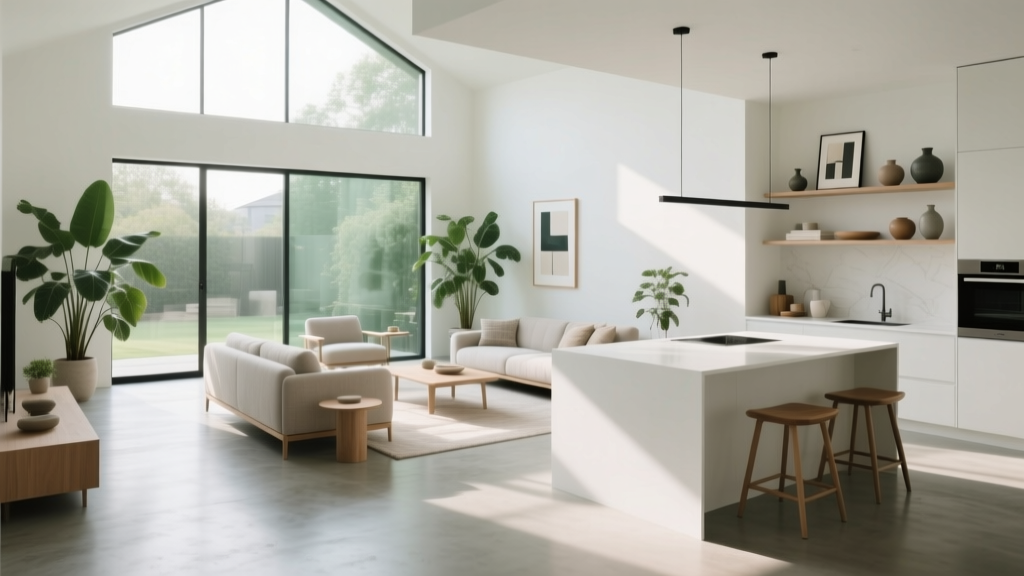
Japandi Style: Where East Meets Scandinavia
What Is Japandi Style?
Japandi is the fusion of Japanese and Scandinavian design philosophies. Both traditions value simplicity, natural materials, and purposeful living — Japandi merges them into a style that feels both warm and restrained. Think clean lines with organic textures, neutral palettes with intentional accents.
Core Principles of Japandi Design
1. Wabi-Sabi Meets Hygge
Japanese wabi-sabi celebrates imperfection and transience — a hand-thrown ceramic bowl with irregular glaze, a weathered wood table. Scandinavian hygge brings coziness and comfort. Together, they create spaces that feel lived-in and intentional rather than sterile or cluttered.
2. Natural Materials Above All
Both traditions prioritize natural materials. Use them generously:
- Light woods: white oak, ash, birch for furniture and flooring
- Stone: honed marble, slate, or river rock for surfaces
- Textiles: linen, cotton, wool in natural undyed tones
- Paper: washi paper for lampshades and screens
- Bamboo and rattan for accent pieces
Color Palette
Japandi favors muted, nature-inspired tones. Start with a warm neutral base and add depth through texture rather than color contrast.
- Base: Warm white, oatmeal, soft beige
- Secondary: Muted sage, dusty blue, warm gray
- Accent: Charcoal, deep indigo, or rust (used sparingly)
Furniture Selection
Choose low-profile furniture with clean lines. Japanese design favors pieces close to the ground; Scandinavian design favors functional elegance. Combine both:
- Low platform beds with simple headboards
- Wishbone chairs or Windsor chairs in natural wood
- Modular shelving with hidden storage
- Tatami-inspired floor cushions alongside a Scandinavian sofa
Lighting in Japandi Spaces
Natural light is paramount. Keep windows unobstructed and use sheer linen curtains. For artificial lighting, choose warm-toned fixtures made from natural materials — paper lanterns, woven pendant lights, or simple ceramic table lamps.
Decluttering: The Foundation of Japandi
Neither Japanese nor Scandinavian design tolerates clutter. Every item should earn its place through function or beauty (ideally both). Use concealed storage to keep surfaces clear. Display only a few meaningful objects — a single ikebana arrangement, a handmade bowl, a well-loved book.
Getting Started with Japandi
Begin with one room. Remove excess furniture, paint walls in warm white, add natural wood pieces, and layer textiles in neutral tones. Add one or two Japanese elements (a shoji screen, a bonsai) and one or two Scandinavian touches (a sheepskin throw, a candle grouping). The goal is harmony, not a themed room.
More Articles
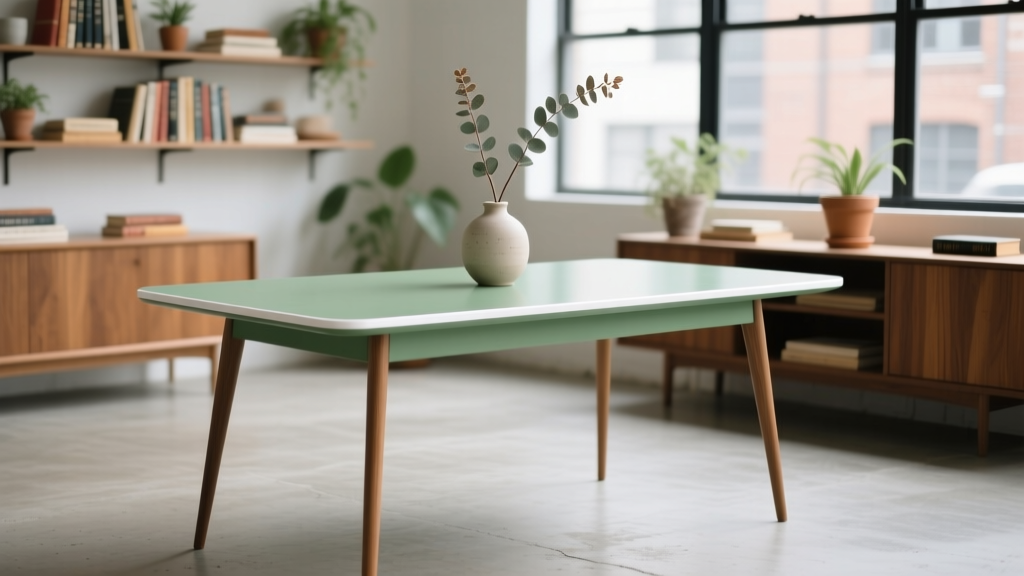 Thrift Store Furniture Flip: $20 Finds Into Statement Pieces
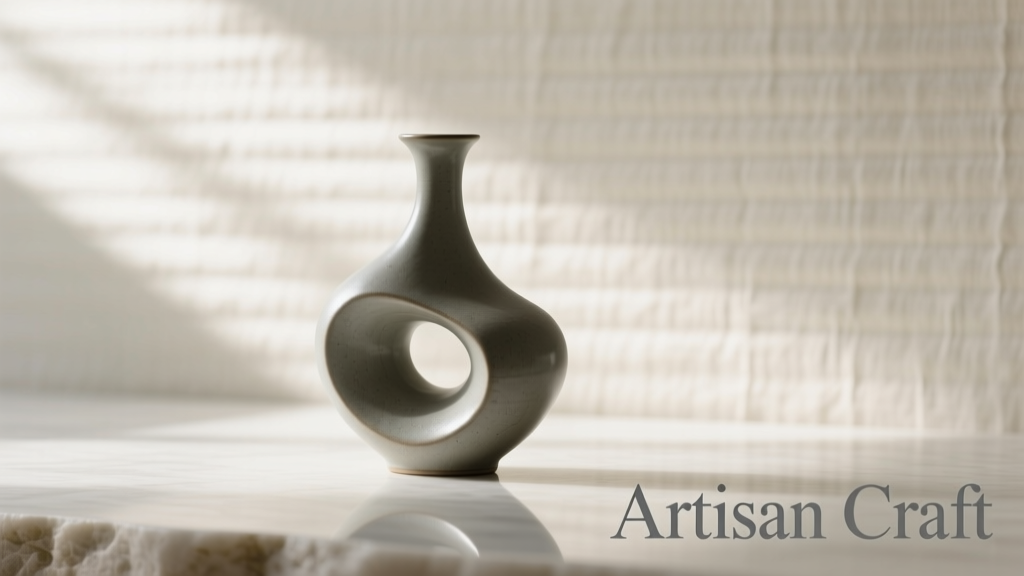 Minimalist Style Guide for Studio Apartments
 Minimalist Shelving: Less Visual Clutter in Small Spaces
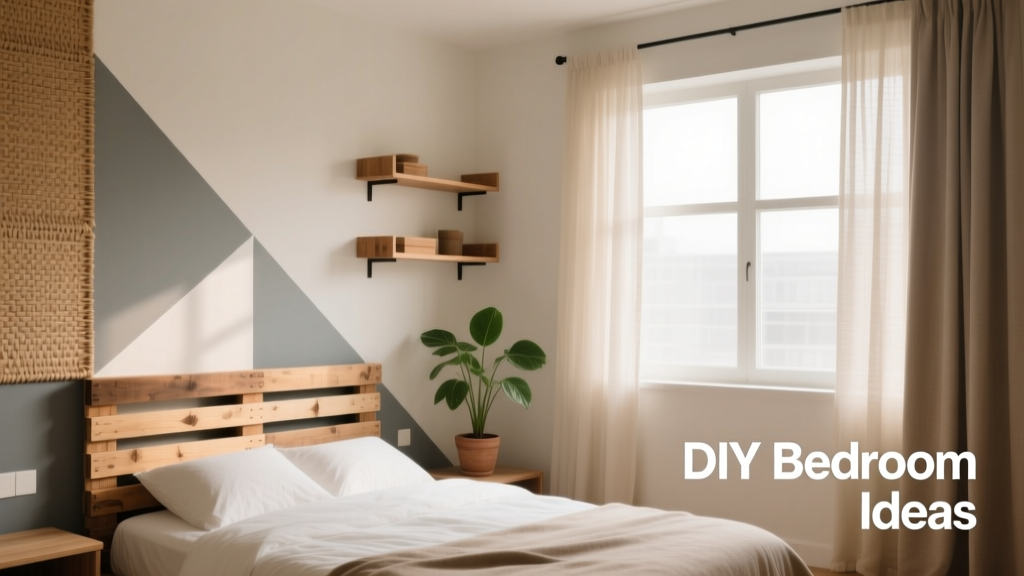 12 Practical DIY Bedroom Ideas That Save Money and Elevate Style
 Checklist on a Budget: Practical, Proven Strategies to Build High-Value Systems Without Overspending
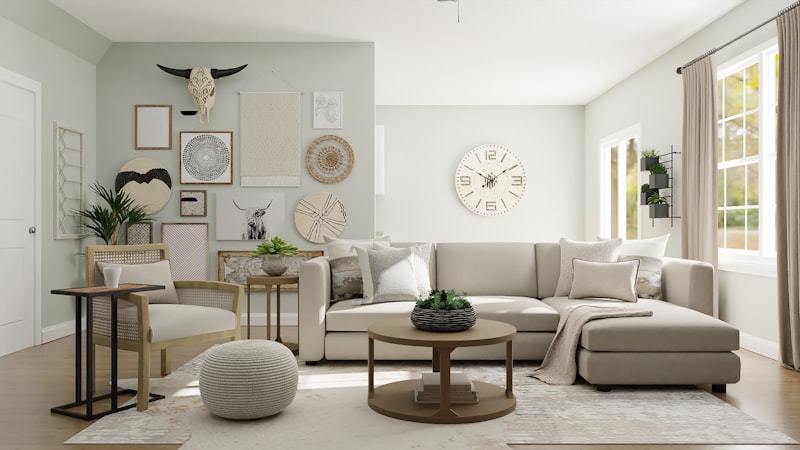 Summer Style Guide: Layering Textures Without Overheating Your Space
 Home Styling on a Budget: 10 Pieces That Make Any Room Look Designed
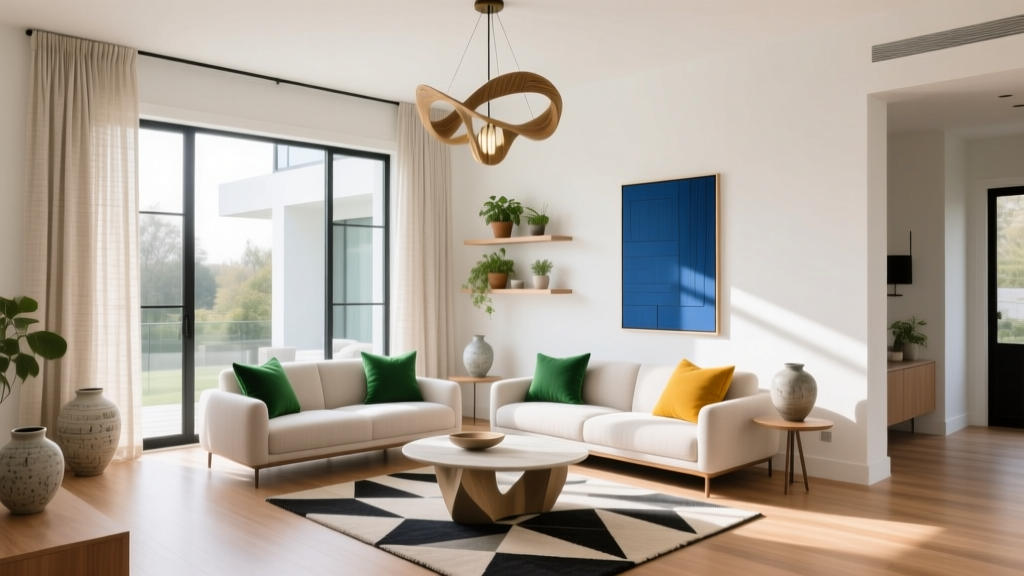 Pet-Friendly Summer Fabrics: Cooling Furniture & Bedding
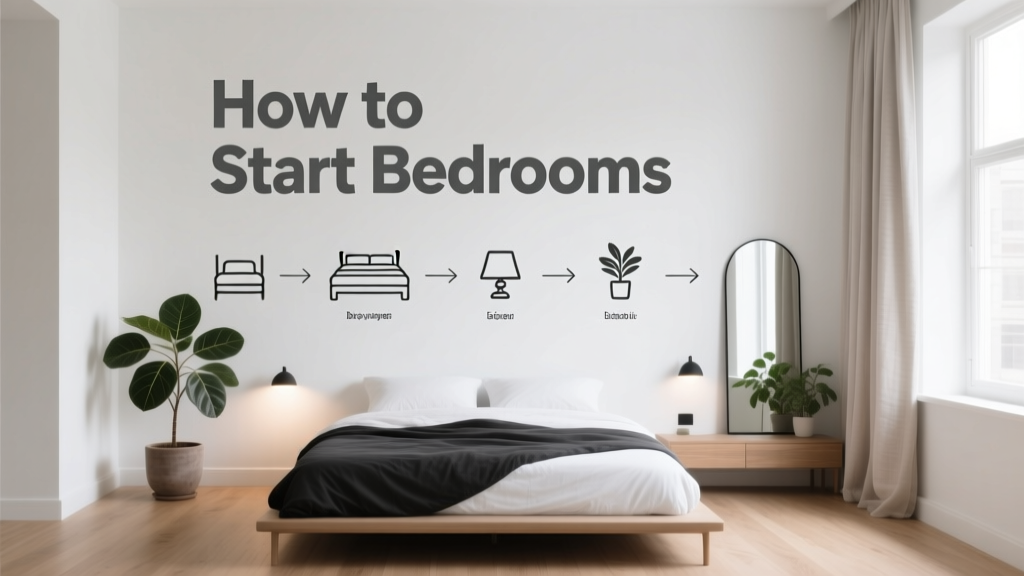 How To Start Bedrooms: A Practical, Step-by-Step Framework for Designing Functional and Restorative Sleep Spaces
 Family Alternatives to Island: Practical, Affordable, and Space-Smart Kitchen Solutions