Japandi Style Home: Where East Meets North ? The Decor Mag
Japandi Style Home: Where East Meets North
 By Elena Marchetti
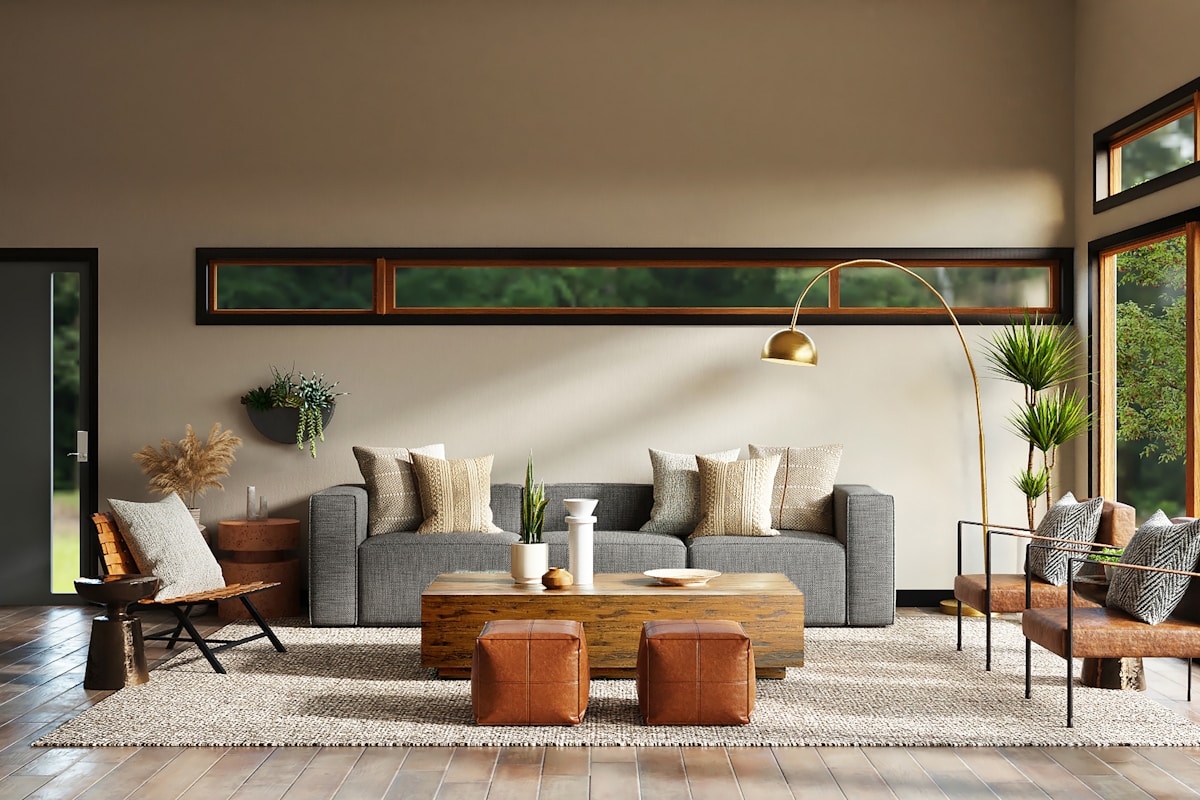
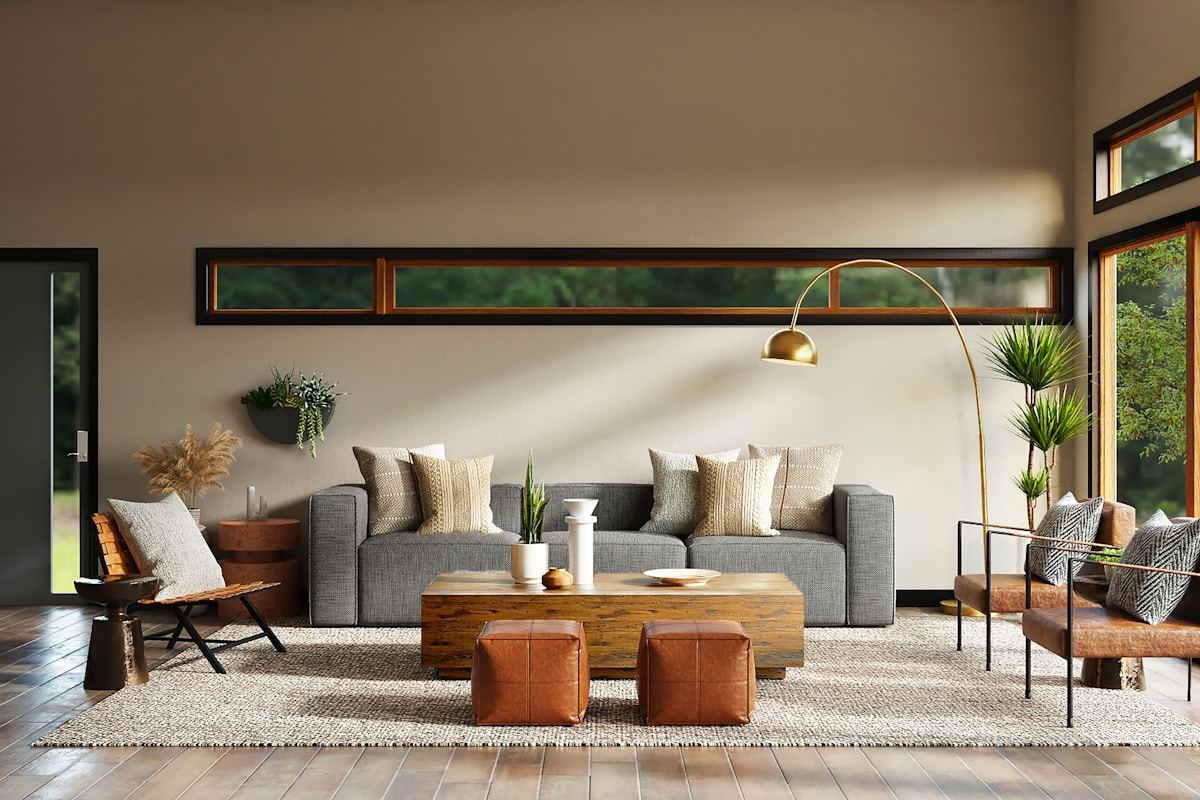
Japandi is not a trend. It is a convergence. Two design traditions separated by geography and culture but united by philosophy have found each other, and their meeting point has produced one of the most compelling interior styles of the current decade. Scandinavian design brings warmth, comfort, and an appreciation for light. Japanese design brings restraint, asymmetry, and a reverence for natural materials. Together, they create spaces that are simultaneously cozy and minimal, warm and disciplined, inviting and serene.
The name itself reveals the fusion: Japan plus Scandi. But Japandi is not simply a room with a Scandinavian sofa and a Japanese screen. It is a design approach that extracts the shared values from both traditions and applies them consistently across every element of the home. Understanding those shared values is the key to creating a Japandi interior that feels authentic rather than assembled. This article examines each dimension of the style and provides practical guidance for applying it in your own space.
The Shared Philosophy: Less, But Better
Scandinavian design grew from a practical necessity. Long winters and limited resources meant that every object in the home needed to earn its place through function and durability. Japanese design grew from a spiritual tradition that valued simplicity, emptiness, and the beauty of natural processes. Both traditions arrived at the same conclusion independently: a home with fewer, better things is a better home. This shared philosophy is the foundation upon which Japandi is built.
The practical implication is that Japandi rooms are intentionally sparse. Not empty, but sparse. Every object has a purpose and a place. Surfaces are clear. Floors are visible. The negative space between objects is treated as a design element in its own right, not as wasted area to be filled. This approach requires discipline. The instinct to fill empty space is powerful, and resisting it is the first step toward a genuine Japandi interior. The emptiness is not absence; it is room for the things that remain to breathe.
A 2025 study by the Environmental Design Research Association examined the relationship between interior design complexity and perceived stress levels. Participants in rooms with lower visual complexity (fewer objects, clearer surfaces, more negative space) reported 31% lower stress scores than those in visually complex environments. The study provides empirical support for what both Scandinavian and Japanese design traditions have asserted for centuries: simplicity serves wellbeing.
The Japandi Color Story
The Japandi palette is muted, warm, and earthy. It draws from the natural world that both design traditions revere. Soft whites and warm grays form the base, providing a neutral canvas. Earth tones like terracotta, ochre, and warm brown add depth. Occasional black accents provide definition and contrast. The palette avoids bright, saturated colors entirely. When color appears, it appears in muted, desaturated forms that feel grounded rather than stimulating.
The Scandinavian contribution to this palette is the emphasis on light, bright surfaces that maximize natural illumination. The Japanese contribution is the willingness to include dark elements, particularly black, that create visual anchors. Pure Scandinavian interiors tend toward light across the board. Pure Japanese interiors embrace darker tones and deeper shadows. Japandi splits the difference: predominantly light with strategic dark accents that give the space weight and definition.
- Warm white walls: the foundation, providing brightness without clinical coolness
- Soft gray textiles: bridge between white and darker accents
- Warm wood tones: light ash, oak, or birch for flooring and furniture
- Black accents: in picture frames, light fixtures, or furniture legs for definition
- Earthy touches: terracotta pots, rust-colored textiles, or ochre ceramics for warmth
- Occasional green: from plants, providing the only saturated color in most Japandi rooms
Material Palette: Wood, Stone, and Fiber
Japandi interiors prioritize natural materials above all else. Wood is the primary material, appearing in floors, furniture, and sometimes wall treatments. The preferred woods are light-toned species with visible grain: ash, oak, birch, and pine. The grain is celebrated, not hidden. Clear oil finishes protect the wood while allowing its natural character to remain visible. Stained or painted wood appears occasionally, typically in black or dark gray for accent pieces.
Stone and ceramic elements add weight and permanence to the material palette. A stone vase, a ceramic bowl, or a marble tray introduces a material contrast to the warmth of wood. These elements are typically raw or minimally finished, honoring the Japanese aesthetic of presenting materials in their natural state. Fiber materials like jute, linen, cotton, and rattan provide softness and texture. A jute rug on a wood floor, linen curtains on a window, or a rattan pendant light each contribute to the natural material story without introducing synthetic elements.
"The Japandi aesthetic proves that two cultures separated by thousands of miles can arrive at the same design truth: that natural materials, honest construction, and intentional emptiness create the most beautiful spaces."
? Fumie Shibata, Interior Designer, Tokyo
Furniture Selection and Proportions
Japandi furniture sits low to the ground, reflecting the Japanese tradition of floor-level living and the Scandinavian preference for pieces that feel light and ungrounded. Sofas with low profiles, coffee tables at a modest height, and dining chairs that sit closer to the floor than their Western counterparts all contribute to the Japandi aesthetic. The low furniture creates a sense of spaciousness by leaving more vertical space above it, making ceilings feel higher and rooms feel larger.
The furniture lines are clean and unornamented but not cold. Scandinavian design contributes the curved, organic shapes that soften the minimalism. A sofa with gently rounded arms, a dining table with tapered legs, or a chair with a curved backrest all introduce warmth that pure minimalism lacks. Japanese design contributes the precision of proportion and the beauty of joinery. Visible wood joints, clean edge details, and precise angles all signal craftsmanship that mass-produced furniture cannot replicate.
Wabi-Sabi: Beauty in Imperfection
Wabi-sabi is the Japanese aesthetic philosophy that finds beauty in imperfection, impermanence, and incompleteness. In Japandi interiors, wabi-sabi manifests as the acceptance and celebration of objects that show their age and use. A ceramic bowl with an irregular glaze pattern. A wooden table with visible knots and grain variations. A linen textile with a slightly uneven weave. These are not defects; they are the marks of natural processes and human craftsmanship that give objects character and warmth.
The Scandinavian concept of hygge complements wabi-sabi beautifully. Hygge values the comfort of the well-used, the warmth of the familiar, and the joy of the simple. A well-worn wooden chair, a soft blanket that has been washed a hundred times, a candle that has burned down to a stub: these objects carry the accumulated warmth of use that new, perfect objects lack. Japandi interiors welcome these objects and display them alongside the new and the pristine, creating a layered richness that comes from time and use rather than purchase and arrangement.
Lighting: Soft, Diffused, Intentional
Japandi lighting is soft, warm, and diffused. Harsh, direct light conflicts with the style's emphasis on calm and serenity. Paper lanterns, the quintessential Japanese light fixture, provide a perfect example of diffused illumination that creates a warm, even glow without visible light sources. Scandinavian pendant lights in opal glass achieve a similar effect with a different aesthetic. Both approaches prioritize the quality of light over its quantity.
The layering principle applies to Japandi lighting as in any good interior, but the layers are quieter. A paper pendant provides ambient light. A small table lamp with a linen shade provides task lighting for reading. A floor lamp with a rice paper shade provides additional ambient light in a seating area. Each fixture contributes warmth without competing for attention. The light sources themselves are designed to be beautiful objects, not just light-emitting devices. In a Japandi interior, the light fixture is as important as the light it produces.
Decor Objects: Curated, Not Collected
Japandi interiors resist decorative excess. Every object on display must earn its place through beauty, function, or meaning. A single ceramic vase on a shelf. A small branch arrangement in a narrow container. One piece of calligraphy or abstract art on a wall. The restraint is deliberate. By limiting the number of objects, each one gains importance and presence. The space around each object becomes part of its presentation, framing it and allowing it to be seen and appreciated.
The choice of objects follows the material palette. Ceramics, wood, stone, and fiber dominate. Metal appears sparingly, typically in black or brass. Glass is used for functional objects rather than decorative ones. Plants are the most common living element, with an emphasis on specimens that have sculptural form rather than lush abundance. A single ikebana arrangement in a simple container captures the Japandi approach to botanical decoration: intentional, minimal, and beautiful.
Applying Japandi Room by Room
Japandi principles adapt to every room in the house, but the application varies by function. The living room prioritizes low-profile seating, a natural fiber rug, and a curated selection of objects on open shelving. The bedroom emphasizes an upholstered or wooden bed frame in a low profile, linen bedding in neutral tones, and minimal nightstand surfaces. The kitchen features clean-lined cabinetry, open shelving with arranged ceramics, and natural wood accents on countertops or islands.
| Room | Key Elements | Avoid |
|---|---|---|
| Living room | Low sofa, wood coffee table, jute rug, paper pendant | Oversized furniture, bright colors, cluttered surfaces |
| Bedroom | Low bed, linen bedding, minimal nightstands, warm lighting | Ornate headboards, patterned bedding, excessive decor |
| Kitchen | Clean cabinetry, open shelving, wood accents, ceramic display | Ornate hardware, glossy finishes, visual clutter |
| Bathroom | Natural stone, wood vanity, simple fixtures, linen towels | Ornate mirrors, bright colors, excessive accessories |
| Dining room | Wood table, simple chairs, ceramic centerpiece, paper light | Formal table settings, ornate chandeliers, tablecloths |
Japandi style is not about achieving a specific look. It is about creating a home that reflects a philosophy: that less is more, that natural materials are more beautiful than synthetic ones, that emptiness has value, and that the objects we live with should be chosen with care and kept with intention. When you approach your home from this perspective, the Japandi aesthetic emerges naturally. You do not need to buy a specific collection of furniture or paint your walls a particular shade of white. You need to edit, to choose well, and to let the space breathe. The rest follows on its own.
More Articles
 Universal Design: Accessible Rooms Without Clinical Look
 Pet-Friendly Summer Fabrics: Cooling Furniture & Bedding
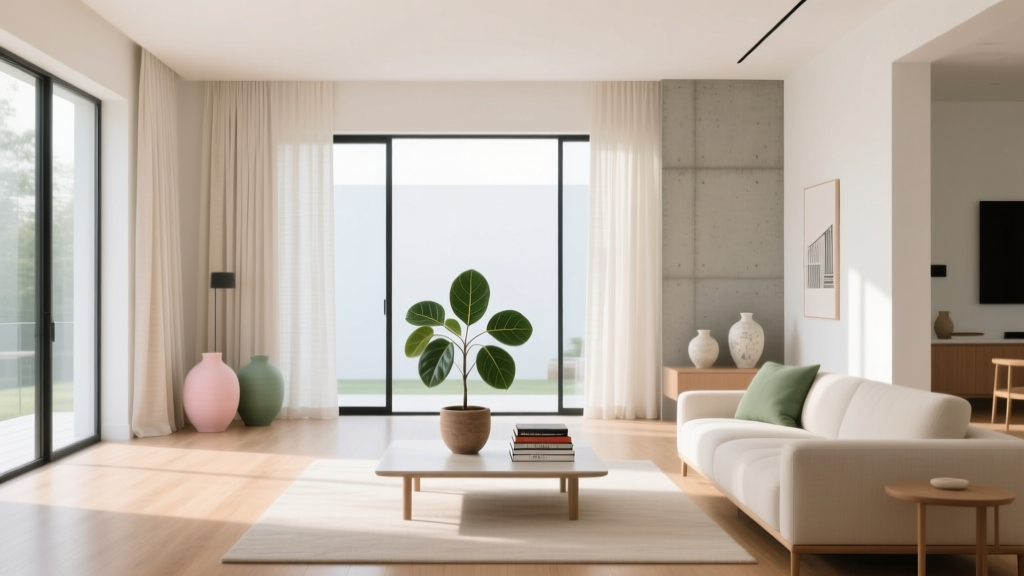 Pet Hair Resistant Fabrics: Best Upholstery for Dog & Cat Homes
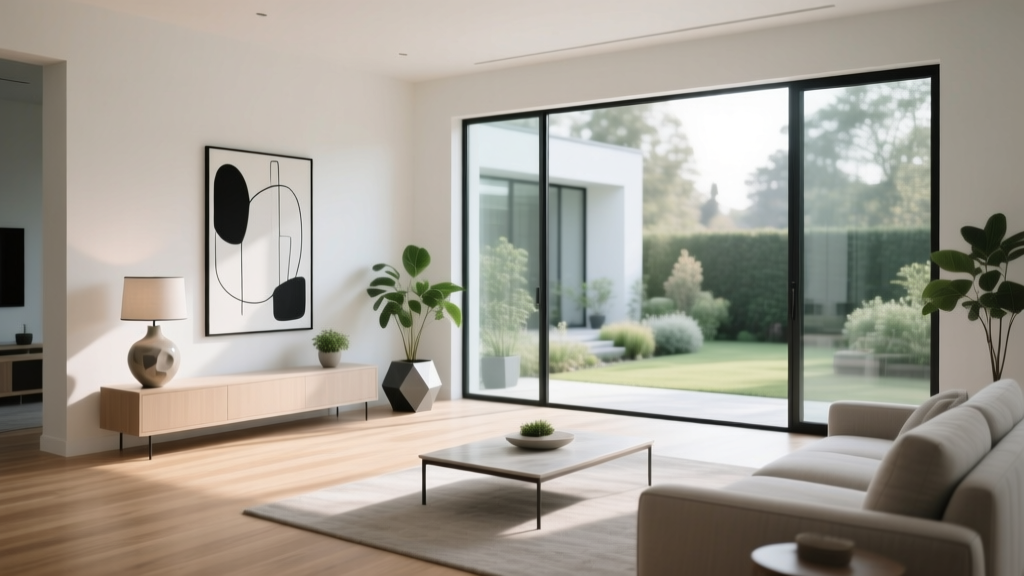 Mid-Century Modern Style: Core Elements Guide
 How To Repair Minimalist: A Practical, Precision-Focused Guide for Designers and Developers
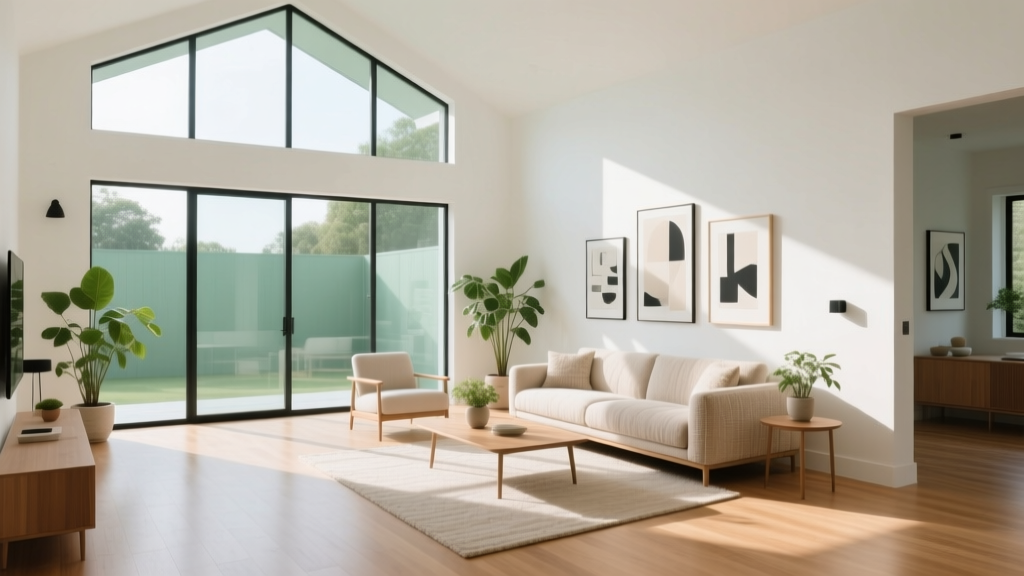 Studio Apartment Zoning: Define Spaces Without Walls
 How To Start Bedrooms: A Practical, Step-by-Step Framework for Designing Functional and Restorative Sleep Spaces
 Wood Alternatives to Inspiration: Sustainable, High-Performance Materials Reshaping Design and Construction
 Home Styling on a Budget: 10 Pieces That Make Any Room Look Designed
 How To Organize Paint: A Practical, Space-Saving System for Homeowners and DIYers