
Mid Century Modern Furniture: Timeless Icons (2026)
Mid Century Modern Furniture: Timeless Icons
 Thomas Adler

Mid-century modern furniture has survived design cycles that have elevated and discarded countless other styles. While ornate Victorian revival, heavy traditional, and aggressively futuristic designs have each had their moment in the spotlight and then faded, mid-century modern pieces from the 1940s through the 1960s continue to be manufactured, collected, and coveted. An Eames lounge chair designed in 1956 commands the same respect and price today as it did seventy years ago. A Noguchi coffee table looks as fresh in a 2026 apartment as it did in a 1950s Manhattan living room.
The endurance of mid-century modern design is not accidental. It is the result of a design philosophy that prioritized function, embraced new materials and manufacturing techniques, and created forms that were honest about their construction rather than hiding behind ornamentation. The designers of this era, many of them European emigres who brought Bauhaus principles to America, believed that good design should be accessible, practical, and beautiful in that order. The beauty emerged from the function, not in spite of it.
The Origins and Philosophy of MCM Design
Mid-century modern design emerged from the convergence of several forces. The Bauhaus school in Germany, founded by Walter Gropius in 1919, established the principle that design should serve function and that beauty arises from honest expression of materials and structure. When the Bauhaus was closed by the Nazi regime in 1933, many of its leading figures emigrated to the United States, bringing their design philosophy with them. Mies van der Rohe went to Chicago. Marcel Breuer went to Harvard. Their influence rippled through American design education and practice.
Post-war America provided the perfect conditions for mid-century modern design to flourish. A housing boom created demand for furniture that was affordable, mass-producible, and suited to the smaller homes and apartments that were being built. New materials like molded plywood, fiberglass, and plastic offered possibilities that traditional woodworking could not match. Designers like Charles and Ray Eames, Eero Saarinen, and George Nelson experimented with these materials, creating furniture that was lighter, more sculptural, and more comfortable than anything that came before.
The Scandinavian design movement ran parallel to American mid-century modern, with designers like Arne Jacobsen, Hans Wegner, and Finn Juhl creating furniture that emphasized organic forms, natural wood, and human-centered ergonomics. The two traditions influenced each other and merged into what we now recognize as the mid-century modern aesthetic: clean lines, organic curves, honest materials, and an absence of unnecessary decoration.
Iconic Pieces That Defined an Era
Certain furniture pieces have become synonymous with mid-century modern design, not because they were the most commercially successful but because they embodied the movement's principles most completely. The Eames Lounge Chair and Ottoman, designed in 1956, combined molded plywood shells with rich leather cushions to create a piece that was simultaneously sculptural and supremely comfortable. It remains one of the most recognized and reproduced furniture designs in history.
The Saarinen Tulip Table, introduced in 1956, eliminated the visual clutter of traditional table legs by using a single cast-aluminum pedestal base. The result was a table that appeared to float, with a clean circular top that emphasized the objects placed upon it rather than competing with them for visual attention. This principle of reducing visual noise to highlight what matters became a hallmark of mid-century design thinking.
The Wegner Wishbone Chair, designed in 1949, demonstrated how traditional craftsmanship and modern design could coexist. Hand-crafted from solid wood with a steam-bent backrest that forms the characteristic Y shape, the chair is a masterclass in structural elegance. Every curve serves a structural purpose. Every joint is visible and honest. There is nothing on the chair that does not need to be there, and yet nothing feels austere or cold.
| Piece | Designer | Year | Key Innovation |
|---|---|---|---|
| Eames Lounge Chair | Charles & Ray Eames | 1956 | Molded plywood shell with leather cushions |
| Tulip Table | Eero Saarinen | 1956 | Single pedestal base eliminating visual clutter |
| Wishbone Chair | Hans Wegner | 1949 | Steam-bent backrest with organic Y shape |
| Noguchi Coffee Table | Isamu Noguchi | 1948 | Sculptural wood base with glass top |
| Egg Chair | Arne Jacobsen | 1958 | Molded shell with enveloping form |
The Eames Philosophy
Charles and Ray Eames summarized their design approach with a simple principle: "The role of the designer is that of a good, thoughtful host anticipating the needs of his guests." This host mentality shaped everything they created. Furniture should be comfortable before it is beautiful. It should serve the person using it, not the designer's ego. When you evaluate any mid-century modern piece, ask yourself the same question: does this serve the person who will use it? If the answer is yes, it is good design.
Core Design Principles That Still Resonate
The principles that guided mid-century modern designers remain relevant because they address fundamental human needs rather than stylistic preferences. Form follows function is the most familiar, but it is worth unpacking. It does not mean that function is the only consideration. It means that the form of an object should emerge from a deep understanding of what that object is supposed to do. A chair should be comfortable to sit in. A table should provide a stable, appropriately sized surface. A lamp should illuminate effectively. Once these functional requirements are met, the designer shapes the form to be as beautiful as possible within those constraints.
Material honesty is another core principle. Mid-century modern furniture does not hide its construction. You can see the joints in a wooden chair. You can see the molded seam in a fiberglass shell. You can see the weld marks on a steel frame. This transparency of construction creates a sense of integrity that ornamented furniture cannot achieve. When a piece of furniture is honest about how it is made, it earns your trust.
Organic modernism distinguishes the best mid-century modern design from the cold minimalism that sometimes gets confused with it. The best MCM pieces are not sterile or clinical. They incorporate curves, natural materials, and warm tones that create a sense of warmth and human scale. The Eames lounge chair is modern in its use of molded plywood and steel, but it is deeply organic in its comfort and its leather upholstery. The Noguchi coffee table is sculptural in its form, but it is warm in its wood base. This balance between modern and organic is what makes MCM furniture livable.
Authentic Vintage Versus Modern Reproductions
The market for mid-century modern furniture spans a wide spectrum, from original vintage pieces in museums and private collections to mass-produced reproductions sold by big-box retailers. Understanding this spectrum helps you make informed purchasing decisions that align with your budget and your values.
Authentic vintage pieces carry historical value and the patina of age that reproductions cannot replicate. A 1950s Herman Miller Eames chair with its original labels and wear patterns tells a story that a newly manufactured version cannot. However, authentic vintage furniture comes with caveats. The upholstery may need replacement. The finish may show wear. Structural components may need reinforcement. Buying vintage requires knowledge, patience, and often restoration work. It is a commitment, not a purchase.
Modern reproductions from licensed manufacturers like Herman Miller, Knoll, and Vitra offer the design integrity of the original with new materials and full warranties. An Eames lounge chair from Herman Miller today is built to the same specifications as the original, with improvements in materials and manufacturing that Charles and Ray Eames themselves would have welcomed. These pieces carry premium prices but deliver the design quality and durability that the originals were known for.
Unlicensed reproductions from overseas manufacturers occupy a different category entirely. They replicate the visual appearance of iconic designs at a fraction of the cost, but the materials, construction quality, and ergonomics are typically inferior. A reproduction Eames chair that costs $400 instead of $6,000 will look similar from across the room but will feel entirely different when you sit in it. The foam density, the leather quality, the joint construction, and the structural integrity are all compromised to achieve the lower price point.
- Authentic vintage pieces carry historical value but may require restoration
- Licensed modern reproductions from Herman Miller, Knoll, and Vitra maintain original quality standards
- Unlicensed reproductions replicate appearance but compromise on materials and construction
- Invest in one or two authentic or licensed pieces as anchors rather than furnishing an entire room with reproductions
- Learn to identify key authentication markers: manufacturer labels, construction details, and material quality
Mixing MCM With Contemporary Interiors
Mid-century modern furniture does not require a mid-century modern interior to work. In fact, some of the most compelling contemporary interiors combine MCM pieces with elements from other design traditions. An Eames lounge chair in a room with contemporary art and minimalist shelving creates a dialogue between eras. A Noguchi coffee table in a Scandinavian-inspired living room with light wood and white walls feels natural and cohesive. The key is balance and intentionality.
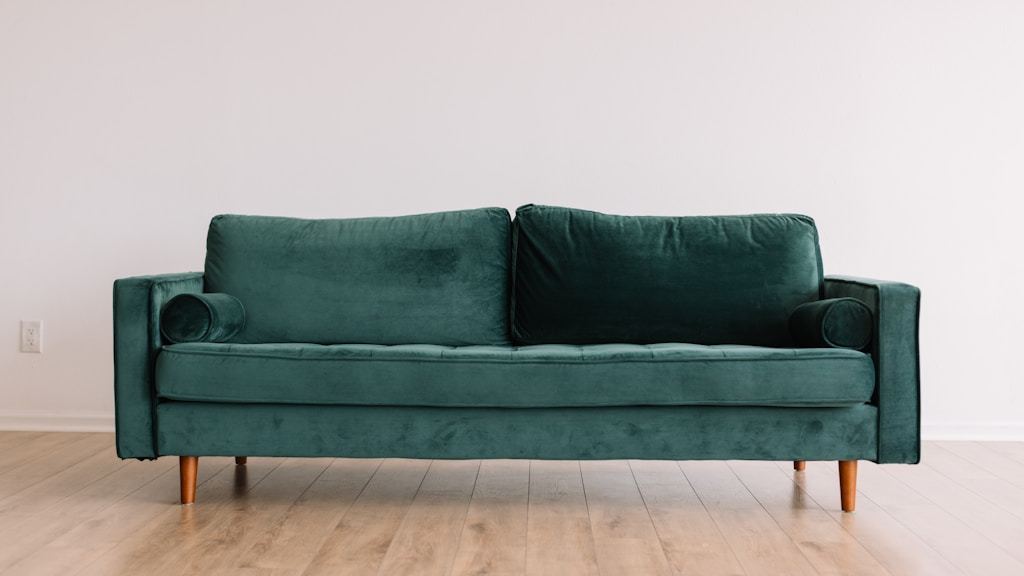
Color is one area where mid-century modern furniture introduces energy into otherwise neutral spaces. The era's designers were not afraid of color. Mustard yellow, teal, burnt orange, and olive green appeared frequently in upholstery fabrics and were used as accents against the warm wood tones and neutral backgrounds that dominated MCM interiors. Introducing one or two MCM pieces in bold colors into a contemporary neutral room creates visual interest without overwhelming the space.
Scale matters when mixing styles. Mid-century modern furniture tends to be lower and more horizontal than contemporary pieces. An MCM sofa sits lower to the ground with a lower back profile than a modern sectional. When mixing, be aware of height differences and arrange pieces so they feel proportional to each other. Pair a low MCM sofa with taller contemporary accent chairs. Use a sculptural MCM coffee table that sits below the sofa seat height to maintain the horizontal emphasis that defines the style.
Buying Advice: What to Look For and What to Avoid
Whether you are shopping for authentic vintage, licensed reproductions, or inspired pieces, certain principles apply universally. First, examine the construction. Mid-century modern furniture was built to last. Dovetail joints in wooden pieces, welded steel frames that are solid and not hollow, molded shells that are smooth and evenly finished. If the construction feels cheap or hastily assembled, the piece will not deliver the experience that the design promises, regardless of its price.
Second, sit in it. Mid-century modern furniture was designed for human bodies, and the test of any piece is how it feels when used. A chair that looks perfect in a photograph but is uncomfortable to sit in has failed its primary function. Spend time in the piece. Shift positions. Read a magazine in it. If it feels good after twenty minutes, it will feel good after twenty years.
Third, consider the room before the piece. Mid-century modern furniture has a strong visual identity. Placing a sculptural Noguchi table or a bold Eames chair in a room creates a focal point that the rest of the room needs to support. If you are introducing MCM into an existing space, think about how the piece will relate to the surrounding furniture, the wall color, the lighting, and the overall style. One well-placed MCM piece can elevate an entire room. Three competing MCM pieces can create visual chaos.
Mid-century modern furniture endures because it was designed by people who understood that furniture is not sculpture. It is not meant to be looked at from a distance and admired. It is meant to be lived with, sat on, leaned against, and used every single day. The pieces that have lasted are the ones that honored that understanding. When you choose mid-century modern furniture, you are choosing design that puts human comfort and daily use at the center of every decision.
Patricia Urquiola, Designer and Creative Director at Cassina
Mid-century modern furniture remains one of the most accessible and rewarding design styles to collect and live with. Its principles are clear, its icons are recognizable, and its influence on contemporary design is undeniable. Whether you invest in an authentic vintage piece, a licensed reproduction, or a carefully chosen inspired alternative, the goal is the same: to surround yourself with objects that were designed to make daily life more comfortable, more beautiful, and more intentional. That is a goal that never goes out of style.
More Articles
 Mixing Metal Finishes the Right Way
 Best Living Room Ideas for Color: Science-Backed Palettes, Real-World Applications, and Pro Tips
 Thrift Furniture Flipping: Transform Pieces for Under $20
 Comfort Buying Guide: Science-Backed Criteria for Chairs, Mattresses, Footwear, and Office Ergonomics
 Headboard vs Minimalist: Design Philosophy, Spatial Impact, and Functional Trade-offs in Modern Bedrooms
 Quiet Luxury Style Guide for a Timeless Home
 Cheap vs Premium Bedrooms: What You’re Really Paying For — Material Science, Ergonomics, and Long-Term Value
 Capsule Decor: 10 Pieces That Style Your Entire Home — The Minimalist's Edit
 Dog-Friendly Sofa Fabrics: What Survives Claws, Mud, and Shedding Season
 Pet-Friendly Fabrics: A Home Style Guide