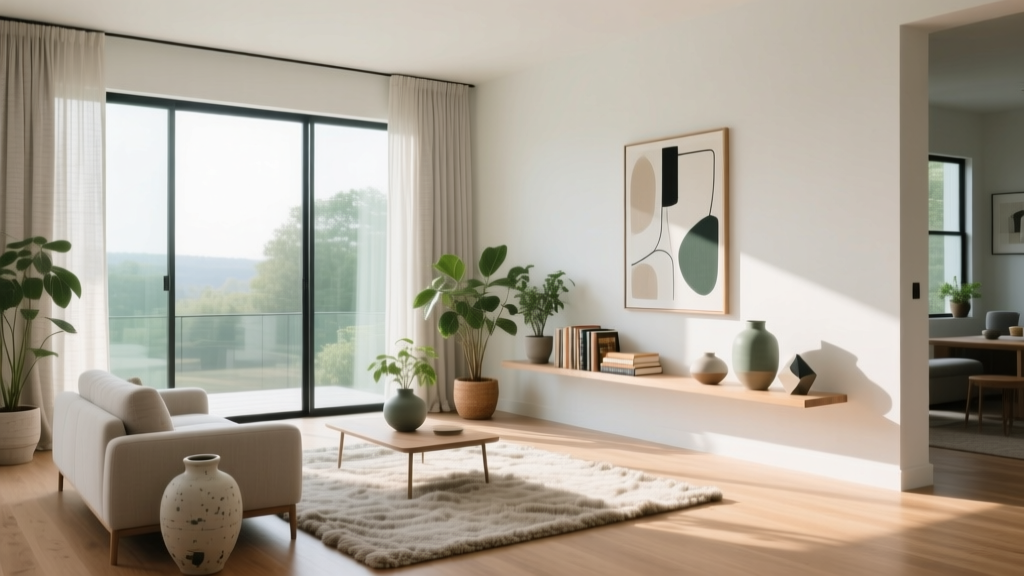
Cat-Friendly Living Room: Style Meets Scratching
The Cat Owner's Design Dilemma
Cats have strong opinions about your furniture — and they express those opinions with their claws. Rather than fighting your cat's natural instincts, the smarter approach is to design with them. A cat-friendly living room isn't about covering everything in plastic; it's about providing irresistible alternatives.
Scratching: Redirect, Don't Restrict
Cats scratch to mark territory, stretch muscles, and shed claw sheaths. It's not misbehavior — it's biology. The key is offering better options than your sofa.
- Sisal-wrapped posts at least 32 inches tall (cats need full-body stretch)
- Horizontal scratchers for cats who prefer carpet-style scratching
- Wall-mounted scratch panels that double as art — brands like VETRESKA make aesthetically pleasing options
Place scratchers near your cat's favorite resting spots and the furniture they currently target. Rub catnip on new scratchers to encourage use.
Furniture Materials That Resist Damage
If you're buying new furniture, choose tightly woven performance fabrics (microfiber, velvet, or Crypton). Cats find these textures less satisfying to scratch than loose-weave linen or chenille. Leather is surprisingly cat-resistant — claws slide off rather than catching.
Vertical Territory: Cat Shelves as Design Elements
Cats feel safest at height. A floating shelf system near the ceiling creates a cat highway that's both functional and architectural. Use the same shelf material as your bookcases for visual cohesion. Add a sisal-wrapped support post at one end for a climbing element.
Cat-Safe Plants for Your Living Room
Many common houseplants are toxic to cats. Safe options include:
- Spider plants (also air-purifying)
- Calathea (stunning foliage, completely non-toxic)
- Boston ferns (humidify the air naturally)
- Parlor palms (structural, elegant, cat-safe)
Hidden Litter Solutions
No one wants a litter box as a living room focal point. Furniture-grade litter enclosures — like a mid-century credenza with a cat-sized entry hole — conceal the box while giving your cat privacy. Add a small HEPA filter nearby to control odor.
More Articles
 Coastal vs Beach House Style Explained
 Headboard Common Mistakes: What 87% of Homeowners Get Wrong (and How to Fix Them)
 Cheap vs Premium Open: What the Data Reveals About Door Hardware Performance, Durability, and Real-World Value
 Pet-Friendly Window Treatments: Fabrics and Blinds That Survive Cats
 Maximalist Decor Done Right: Bold Without the Chaos
 Home Styling on a Budget: 10 Pieces That Make Any Room Look Designed
 Headboard vs Minimalist: Design Philosophy, Spatial Impact, and Functional Trade-offs in Modern Bedrooms
 Minimalist Style Guide: Rules for Clutter-Free Living
 Cheap vs Premium Modern: What You’re Really Paying For in Furniture, Appliances, and Home Goods
 Capsule Decor: 10 Pieces That Style Your Entire Home — The Minimalist's Edit