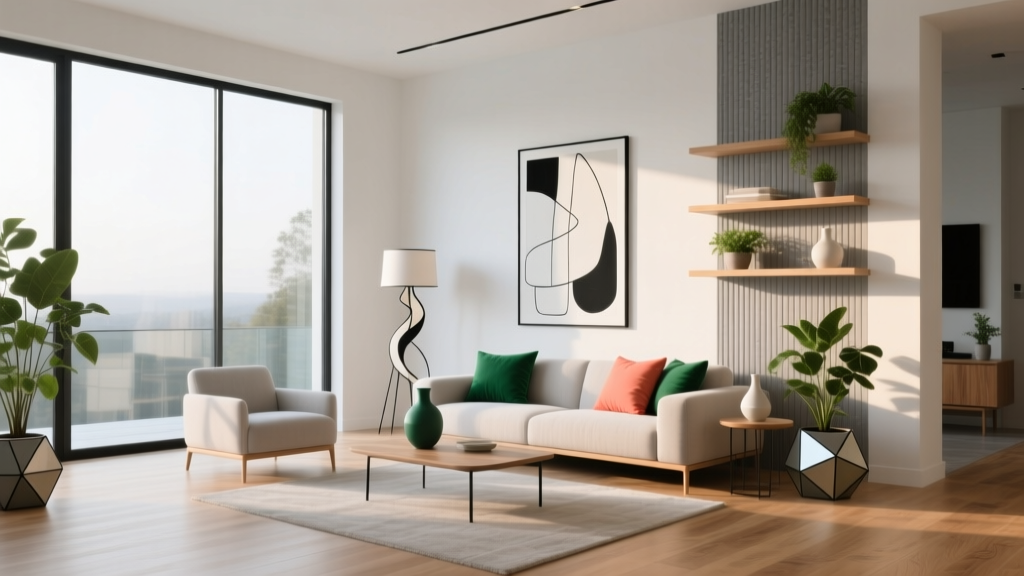
Japandi vs Scandi: Key Style Differences
Two Cousins of Minimalism
Japandi and Scandinavian design share a love of simplicity, natural materials, and functional beauty. But they differ in warmth, color, and philosophy. Understanding these differences helps you choose the style that fits your lifestyle — or blend them intentionally.
Scandinavian Design
Scandinavian style originates from Sweden, Denmark, and Norway. It prioritizes light, airy spaces designed for long winters. Key traits include:
- White and light gray walls to maximize natural light
- Light wood tones — birch, ash, pine
- Cozy textiles — chunky knits, sheepskin, linen
- Hygge philosophy — comfort and warmth as design goals
Japandi Design
Japandi blends Japanese and Scandinavian principles. It takes the wabi-sabi appreciation for imperfection from Japan and the functional simplicity from Scandinavia. The result is warmer and more intentional than pure Scandi.
- Warmer neutrals — beige, cream, warm gray over cool white
- Darker wood accents — walnut, stained oak, bamboo
- Handcrafted objects — pottery, woven baskets, paper lanterns
- Intentional emptiness — negative space is part of the design
Which Should You Choose?
Choose Scandinavian if you love bright, cozy spaces with lots of textiles and a playful approach to accessories. Choose Japandi if you prefer quieter, more deliberate rooms where every object has purpose and beauty in its simplicity.
Blending Both
The styles merge beautifully: use Scandi light wood floors and white walls as a base, then furnish with Japandi-style low-profile furniture and handmade ceramics. Add warmth with a single textured throw rather than layers of pillows.
More Articles
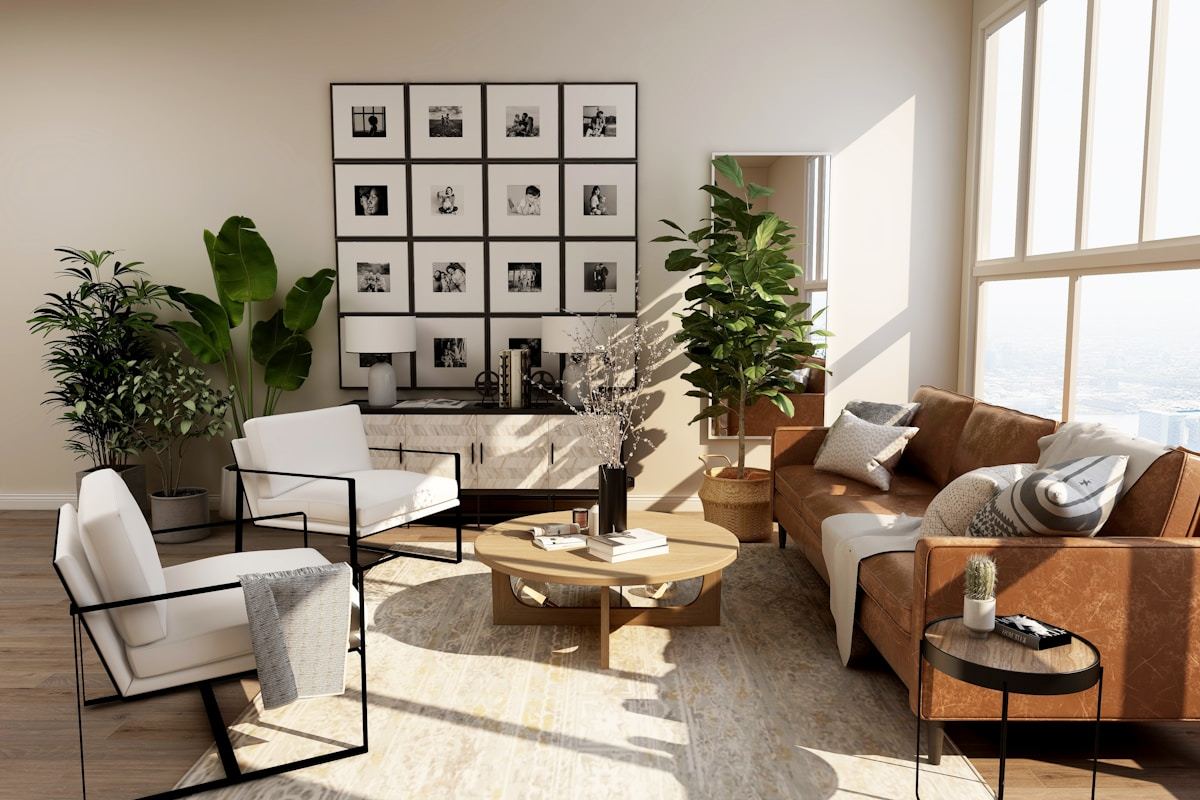 Warm Minimalism Interior: Quiet Luxury (2026)
 Comfort Buying Guide: Science-Backed Criteria for Chairs, Mattresses, Footwear, and Office Ergonomics
 Reading Alternatives to Practical: Evidence-Based Options for Literacy Instruction Beyond the UK’s Popular Programme
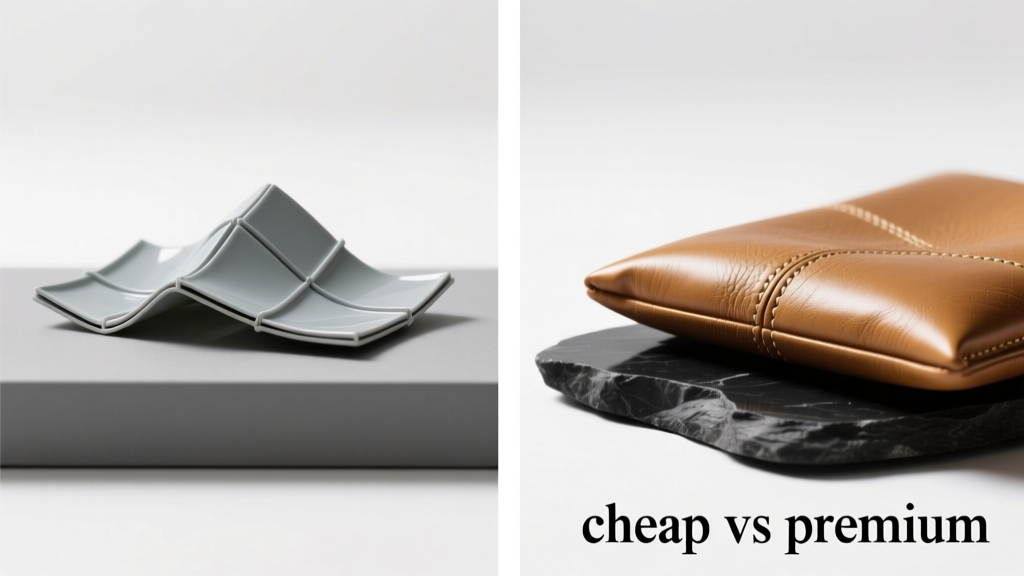 Cheap vs Premium Materials: Performance, Longevity, and Real-World Cost Analysis
 Best Color Guides for Rooms: Science-Backed, Designer-Approved Systems for Confident Paint Selection
 Minimalist Style Guide: Rules for Clutter-Free Living
 Coastal vs Beach House Style Explained
 Mixing Metal Finishes the Right Way
 Capsule Closet Organization: Minimalist Wardrobe Storage for Small Apartments
 How To Match Essential With Designing: A Precision Framework for Product, Interface, and Spatial Systems