Mid-Century Modern Decor Essentials
Core Principles of Mid-Century Modern
Mid-century modern design, rooted in the 1940s through 1960s, emphasizes clean lines, organic curves, and a connection between indoor and outdoor spaces. The style rejects ornate decoration in favor of letting material quality and form speak for themselves.
Essential Furniture Pieces
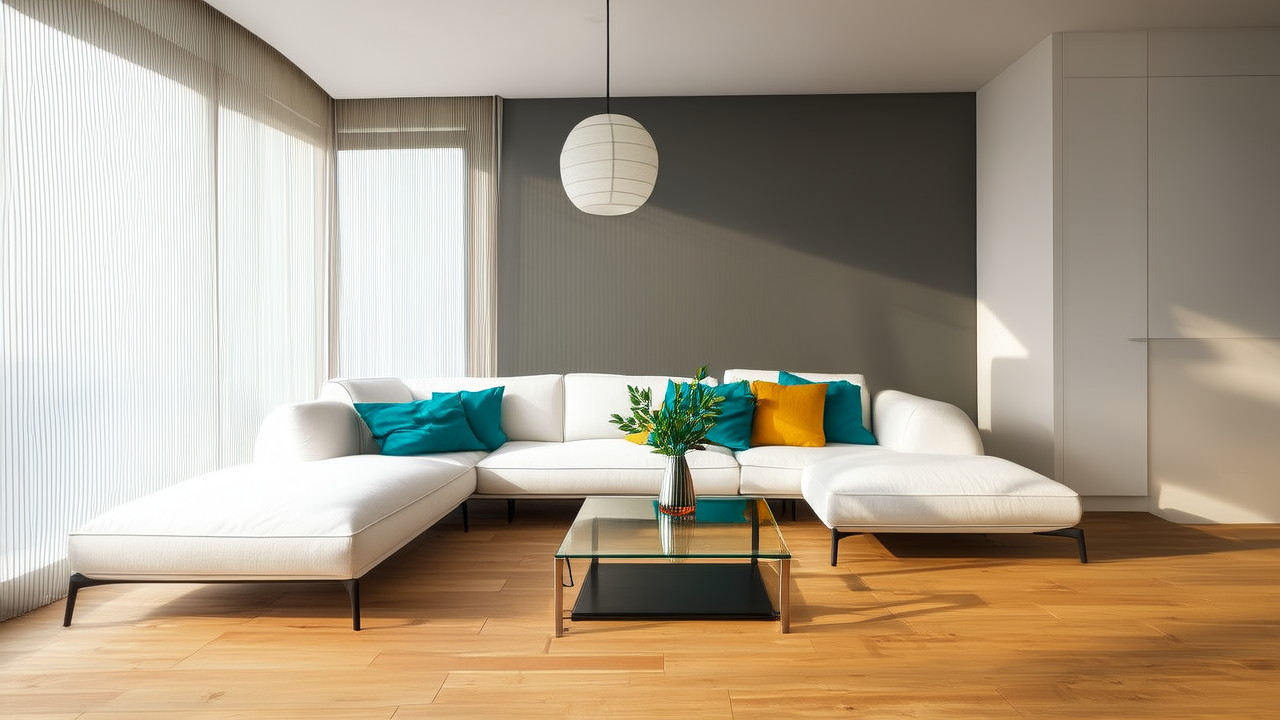
A low-profile sofa with tapered wooden legs and minimal cushioning anchors the living room. The Eames-style lounge chair with its molded plywood shell and leather cushions remains the most recognizable piece of the era. A credenza or sideboard in walnut with sliding doors provides storage while maintaining the horizontal lines characteristic of the style.
Iconic Tables
The Noguchi coffee table, with its free-form glass top resting on two interlocking wooden elements, exemplifies mid-century organic design. Tulip tables with their single pedestal base eliminate visual clutter from multiple legs. These pieces work as focal points in otherwise minimal rooms.
Material Palette
Walnut, teak, and rosewood are the primary woods, used both for furniture and architectural paneling. These warm-toned woods pair with molded fiberglass, bent plywood, and leather upholstery. Accents in brass, fiberglass, and vinyl provide contrast. The overall palette leans warm: amber, olive, burnt orange, and mustard.
Flooring and Textiles
Hardwood floors in wide planks, ideally walnut or oak, are authentic to the period. Area rugs with geometric patterns or abstract organic shapes define seating areas without competing with furniture forms. Shag rugs in neutral tones add texture while maintaining the era aesthetic.
Lighting Fixtures
Sputnik chandeliers with multiple radiating arms make dramatic dining room statements. Arco floor lamps with marble bases and sweeping chrome arms provide task lighting over conversation areas. Pendant lights with spun aluminum or fiberglass shades hang at varying heights to create visual rhythm.
Layout and Space Planning
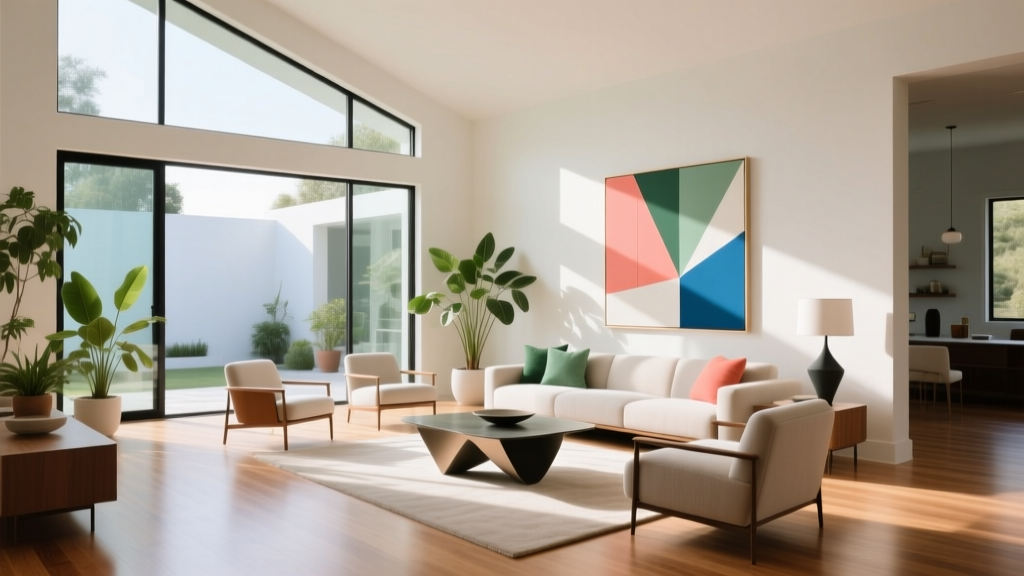
Mid-century modern interiors favor open floor plans with furniture arranged in conversational groupings rather than pushed against walls. Negative space is as important as the objects themselves. Leave breathing room between pieces and resist the urge to fill every corner. Floor-to-ceiling windows with minimal window treatments connect interior spaces to the outdoors.
More Articles
 How Top Brands Cut Support Tickets 37–62% in 2026
Japandi Style Guide: Warm Meets Minimal
 Kitchen Step vs Countertop Step: Safety & Design 2026
 2026 Comfort Buying Guide: Chairs, Mattresses & More
 Pet-Safe Houseplants for Cats & Dogs in 2026
 Cat-Friendly Living Room: Style Meets Scratching
 Coastal Style Home Decor Without Cliches
 Japandi Living Room Style Guide
 Scandinavian vs Japandi: Key Differences
 Storage FAQ: 27 Common Questions Answered