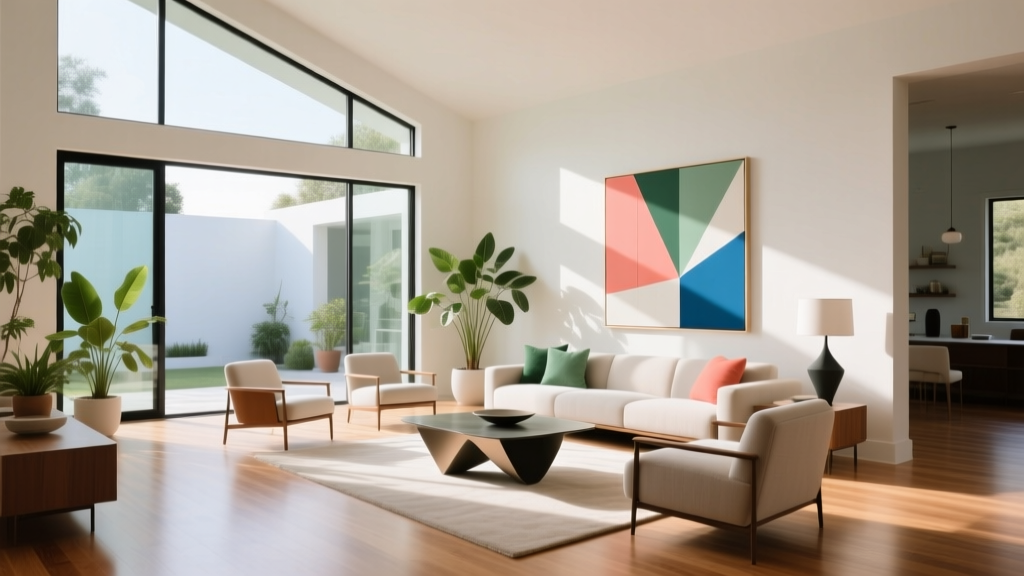
Scandinavian vs Japandi: Key Differences
Two Minimalist Traditions, One Shared Goal
Scandinavian design and Japanese aesthetics converged into Japandi around 2018, yet each tradition retains distinct characteristics. Understanding the differences helps you choose the approach that suits your lifestyle and space.
Scandinavian Design: Warmth Through Hygge
Originating from Sweden, Denmark, and Norway, Scandinavian interiors prioritize light, warmth, and livability. Long winters drove the emphasis on maximizing natural light through white walls, light wood floors, and minimal window treatments. Textiles play a central role: chunky knit throws, sheepskins, and linen cushions add the hygge (coziness) factor that prevents minimalism from feeling cold.
Japandi: Wabi-Sabi Meets Nordic Function
Japandi blends Japanese wabi-sabi (finding beauty in imperfection) with Scandinavian functionality. The result is sparser than pure Scandinavian design. Surfaces are nearly bare, storage is fully concealed, and every visible object is intentional. Color leans toward charcoal, indigo, and natural clay rather than the bright whites of Nordic rooms.
Key Differences at a Glance
- Color: Scandinavian uses white and pastels; Japandi uses earth tones and dark neutrals
- Texture: Scandinavian layers many textiles; Japandi uses fewer, higher-quality materials
- Nature: Scandinavian adds potted plants liberally; Japandi uses one ikebana arrangement or single branch
- Imperfection: Scandinavian aims for polished comfort; Japandi celebrates cracks, patina, and irregularity
Choosing Your Direction
Choose Scandinavian if you want a bright, family-friendly space that feels cozy and inviting. Choose Japandi if you prefer a meditative, gallery-like environment where fewer objects carry more meaning. Many homes successfully blend both: Scandinavian warmth in living areas and Japandi restraint in bedrooms and bathrooms.
Starter Pieces for Each Style
- Scandinavian: light oak dining table, linen sofa, pendant paper lantern
- Japandi: low-profile platform bed, handmade ceramic vessel, shou sugi ban shelf
Neither style requires expensive purchases. Both traditions value simplicity and intentionality, which are free. Start by removing objects that lack purpose, then add pieces slowly and deliberately.
More Articles
 How To Match Essential With Designing: A Precision Framework for Product, Interface, and Spatial Systems
 Pet Hair Resistant Fabrics: Best Upholstery for Dog & Cat Homes
 Studio Apartment Zoning: Define Spaces Without Walls
 Dog-Friendly Sofa Fabrics: What Survives Claws, Mud, and Shedding Season
 Mid-Century Modern Decor Essentials for 2026
 How To Start Bedrooms: A Practical, Step-by-Step Framework for Designing Functional and Restorative Sleep Spaces
 How To Repair Minimalist: A Practical, Precision-Focused Guide for Designers and Developers
 Pet-Proof Area Rugs: Machine-Washable Options That Actually Look Good
 Home Styling on a Budget: 10 Pieces That Make Any Room Look Designed
 Cheap vs Premium Materials: Performance, Longevity, and Real-World Cost Analysis