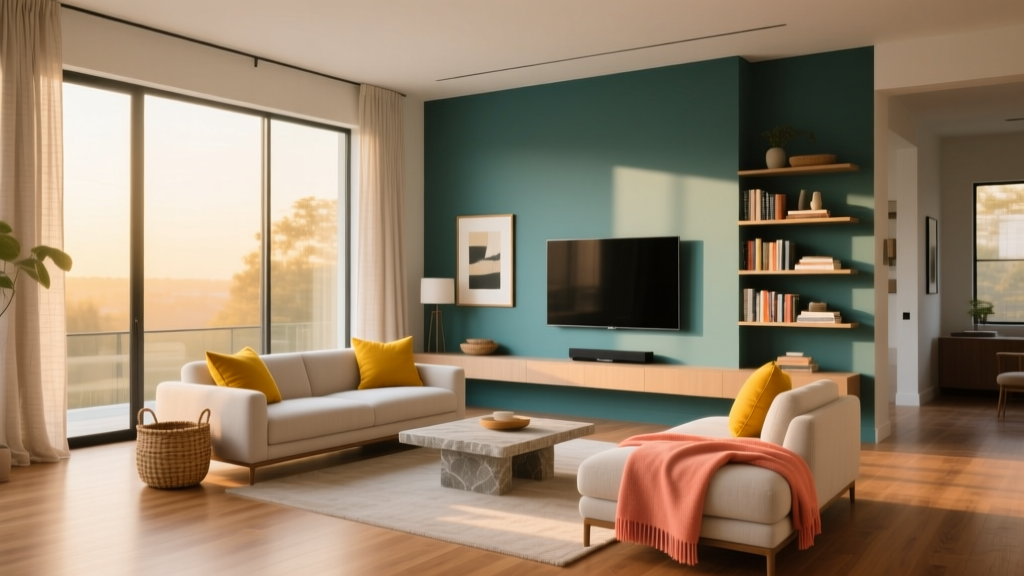
Minimalist Decor on a Budget: 10 Tips
Minimalism Isn't Expensive — It's Intentional
The minimalist aesthetic — clean lines, open space, curated objects — often looks like it costs a fortune. But minimalism is really about choosing fewer, better things. Here are 10 budget-friendly ways to achieve that serene, intentional look.
1. Declutter Before You Buy
The cheapest design upgrade is removing what doesn't serve you. Sell or donate items you haven't used in a year. The empty space itself is the design statement.
2. Stick to Three Colors
Choose a palette of one neutral (white, cream, or gray), one warm tone (wood, tan, or terracotta), and one accent (sage green, navy, or black). Limit every purchase to this palette for instant cohesion.
3. Invest in One Statement Piece
Instead of filling a room with many small items, save for one quality anchor piece — a solid wood dining table, a well-made sofa, or a sculptural floor lamp. Everything else supports it.
4. Use What You Have, Differently
Move a bookshelf from the bedroom to the living room. Turn a wooden stool into a plant stand. Rearranging existing furniture often creates a fresh, minimalist feel without spending anything.
5. Frame Everything
Matching frames (even inexpensive IKEA ones) unify disparate art and photos into a gallery wall that looks curated. Stick to one frame color — black, white, or natural wood.
6. Hide the Clutter
Closed storage is minimalist gold. Baskets, bins, and cabinets with doors keep everyday items accessible but invisible. A storage ottoman hides blankets while serving as seating.
7. Go Big With Greenery
One large plant (fiddle leaf fig, monstera, or snake plant) makes more visual impact than many small ones. It fills space, purifies air, and adds life to a minimalist room.
8. Choose Textiles Wisely
Linen curtains, a chunky knit throw, and two quality pillows in natural fabrics elevate a room far beyond their price tag. Avoid synthetic-looking fabrics.
9. Negative Space Is the Design
Resist the urge to fill every surface and wall. Empty space lets the eye rest and makes the objects you do display feel intentional and important.
10. Quality Over Quantity, Always
When you do buy, spend a little more on items you'll use daily — bedding, a reading chair, kitchen tools. Minimalism rewards longevity.
More Articles
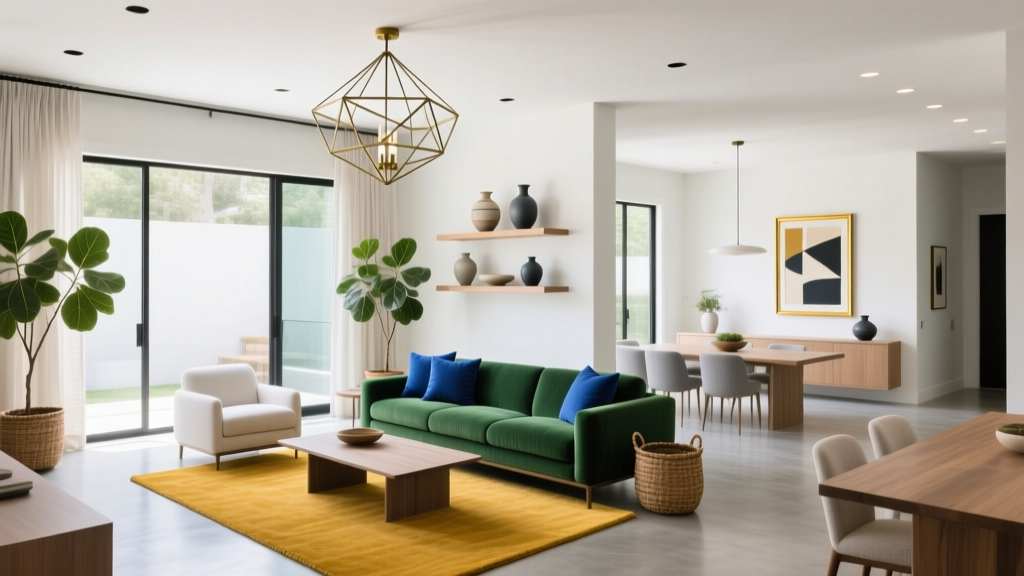 Quiet Luxury Style Guide for a Timeless Home
 Evidence-Based Cleaning Protocols for Home Hygiene
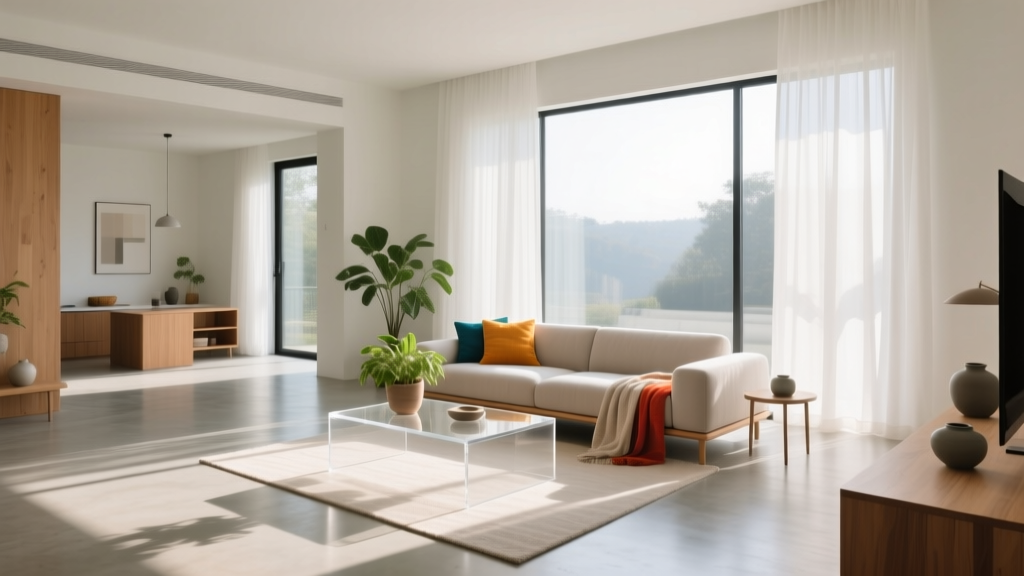 Mid-Century Modern Decor Essentials for 2026
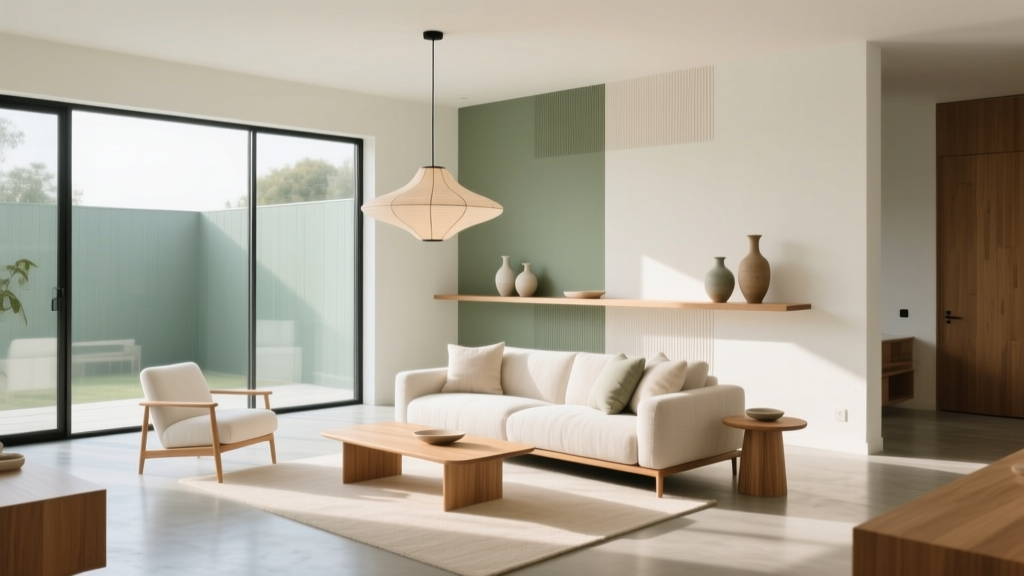 Capsule Decor 2026: 10 Pieces to Style Your Whole Home
 Data-Driven Layout Principles for Modern Design
 Tactile Well-Being Science & Design Essentials 2026
 Pet-Friendly Summer Rugs & Cool Fabrics 2026
 Mid-Century Modern Decor: Beginner's Guide
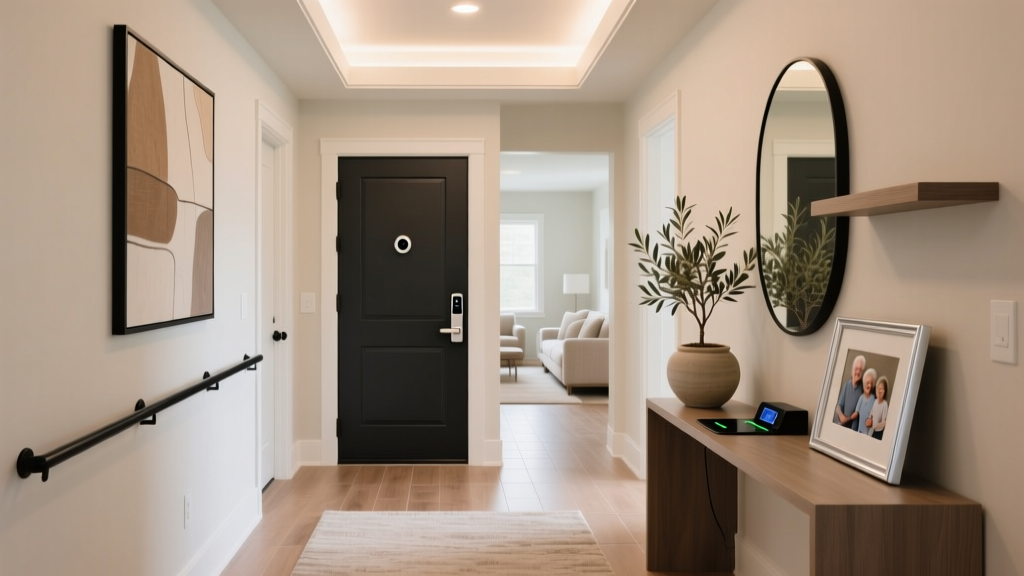 Aging in Place: Entryways & Hallways for Mobility (2026)
 Small Business Funding in 2026: No Equity, Less Debt