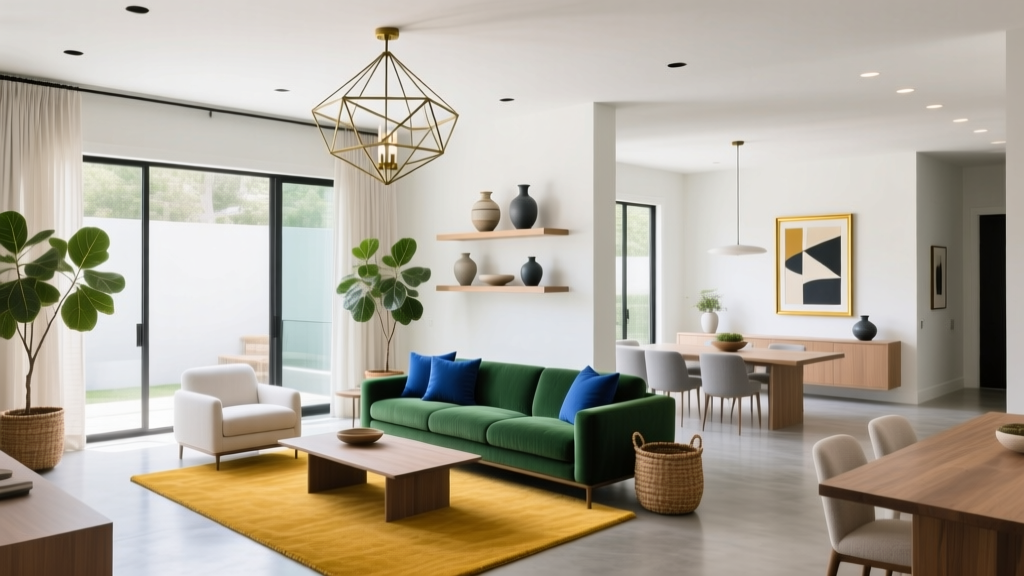
Quiet Luxury Style Guide for a Timeless Home
What Quiet Luxury Actually Means in Home Design
Quiet luxury in interiors isn't about expensive things — it's about things that look and feel expensive because of their quality, proportion, and restraint. Think of it as the opposite of fast furniture: fewer pieces, better materials, timeless forms, and zero trend-chasing. The result is a home that feels effortlessly elegant without trying too hard.
The Material Hierarchy
Quiet luxury lives in the details you can touch. Natural materials are non-negotiable: solid wood (oak, walnut, or ash), natural stone (marble, travertine, or limestone), linen, wool, and leather. These materials age gracefully — they develop patina rather than looking worn out.
Avoid anything that mimics a more expensive material. Laminate that looks like marble, vinyl that imitates wood, or polyester that pretends to be silk — these read as cheap regardless of their actual cost. A $200 solid oak side table looks more luxurious than a $2,000 veneered MDF piece.
Materials That Signal Quality
- Surfaces: Honed marble, oiled wood, unlacquered brass, hand-thrown ceramic
- Textiles: Belgian linen, merino wool, silk blends, organic cotton with high thread count
- Hardware: Solid brass or bronze (not plated), leather pulls, ceramic knobs
- Flooring: Wide-plank hardwood, natural stone tile, hand-knotted wool rugs
The Neutral Palette Done Right
Quiet luxury favors a restrained palette: warm whites, soft grays, taupes, and muted earth tones. But "neutral" doesn't mean boring — it means every color change is intentional and noticed. A shift from cream to warm gray on adjacent walls creates subtle depth that bold colors can't achieve.
Add visual interest through texture rather than color. A room in varying shades of white — matte walls, linen curtains, wool throws, ceramic vases — is rich and layered despite being monochromatic. The eye discovers new details over time rather than being hit with everything at once.
Furniture: Investment Pieces
The quiet luxury approach to furniture is buying fewer, better things. A single beautifully designed sofa in a quality fabric outshines a room full of trendy pieces. Look for clean lines, solid construction, and timeless proportions — nothing too trendy that will look dated in five years.
Mix periods and styles intentionally. A mid-century modern chair beside a traditional side table, united by similar wood tones, creates a collected-over-time look that feels personal rather than showroom-staged.
Lighting as Jewelry
Lighting fixtures are where quiet luxury homes invest most visibly. A single sculptural pendant or an elegant floor lamp can elevate an entire room. Choose fixtures in quality materials — hand-blown glass, solid brass, natural stone bases — with warm-toned bulbs that flatter the space.
Layer lighting at multiple heights: overhead, table level, and floor level. Dimmer switches on every fixture allow the room to shift from functional brightness to intimate warmth. This flexibility is a hallmark of well-designed spaces.
The Art of Editing
Quiet luxury is as much about what's absent as what's present. Every surface should have breathing room. Coffee tables hold one book and one object, not a collection of candles, coasters, and remote controls. Shelves display curated objects, not every knick-knack accumulated over the years.
This isn't minimalism for its own sake — it's curation. The objects that remain should be things you genuinely love and find beautiful. A single well-chosen vase on a console table makes a stronger statement than a crowded display of miscellaneous items.
Details That Elevate Everything
- Custom drapery: Floor-to-ceiling curtains in quality fabric, hung wide of the window frame to maximize light
- Invisible storage: Everything has a home. Remote controls, charging cables, and daily clutter are stored out of sight
- Quality hardware: Cabinet pulls, door handles, and faucets in solid materials. These small touchpoints are used daily and noticed subconsciously
- Fresh flowers or greenery: A single stem in a simple vase signals care and attention to the space
Where to Invest vs. Save
Invest in: Sofa, dining table, lighting fixtures, rugs, hardware, and anything you touch daily.
Save on: Decorative accessories, accent pillows (replace seasonally), side tables (vintage finds work beautifully), and art (prints from independent artists are affordable and unique).
The Long Game
Quiet luxury isn't achieved in a single shopping trip. It's built over time — one quality piece at a time, replacing disposable items with things that last. The goal is a home that looks better in ten years than it does today, because natural materials age with grace and timeless design never goes out of style.
More Articles
 Dog-Friendly Sofa Fabrics: What Survives Claws, Mud, and Shedding Season
 How To Repair Minimalist: A Practical, Precision-Focused Guide for Designers and Developers
 Cheap vs Premium Open: What the Data Reveals About Door Hardware Performance, Durability, and Real-World Value
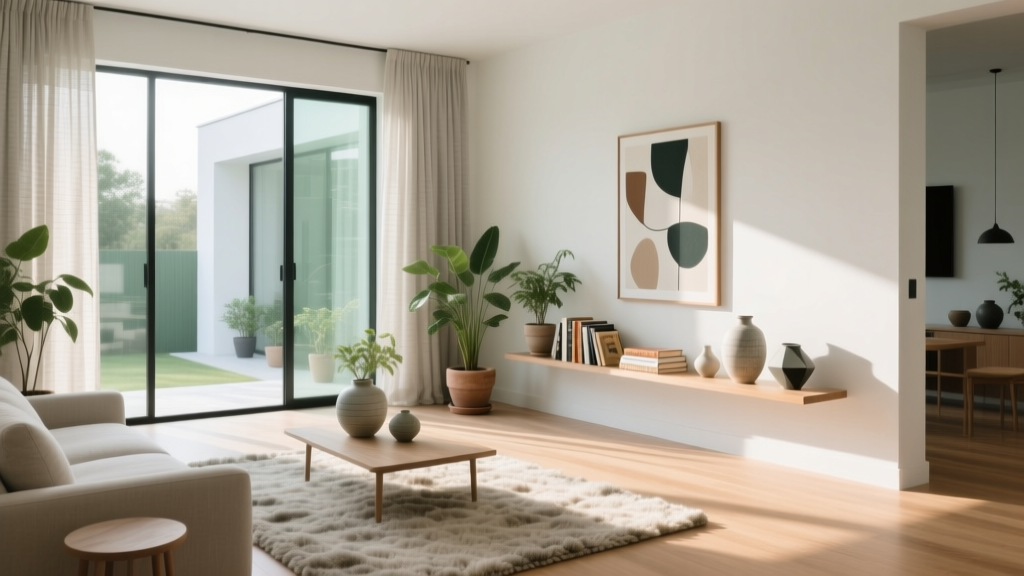 Moody Maximalist Decor: A Layered Guide
 How To Start Kitchens: A Practical, Step-by-Step Blueprint for Launching a Commercial Kitchen Business
 How To Match Essential With Designing: A Precision Framework for Product, Interface, and Spatial Systems
 Japandi Style: The Complete Guide for 2026
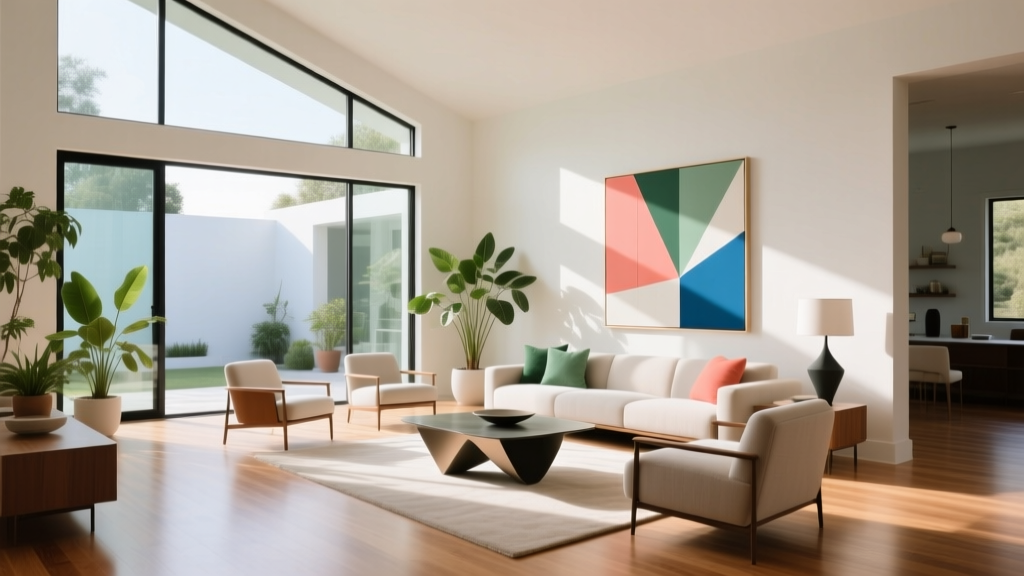 Scandinavian vs Japandi: Key Differences
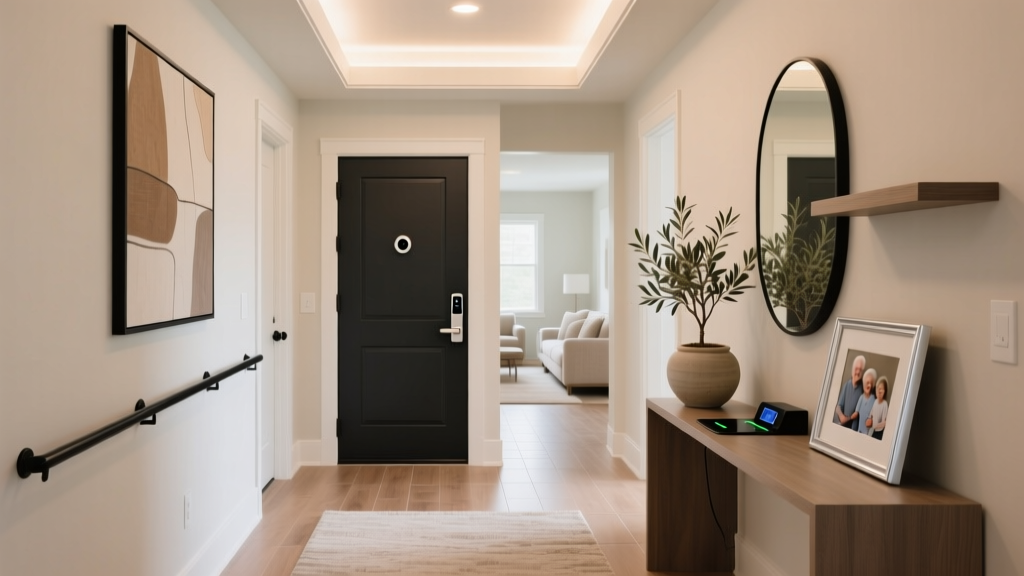 Aging in Place: Entryways & Hallways for Mobility (2026)
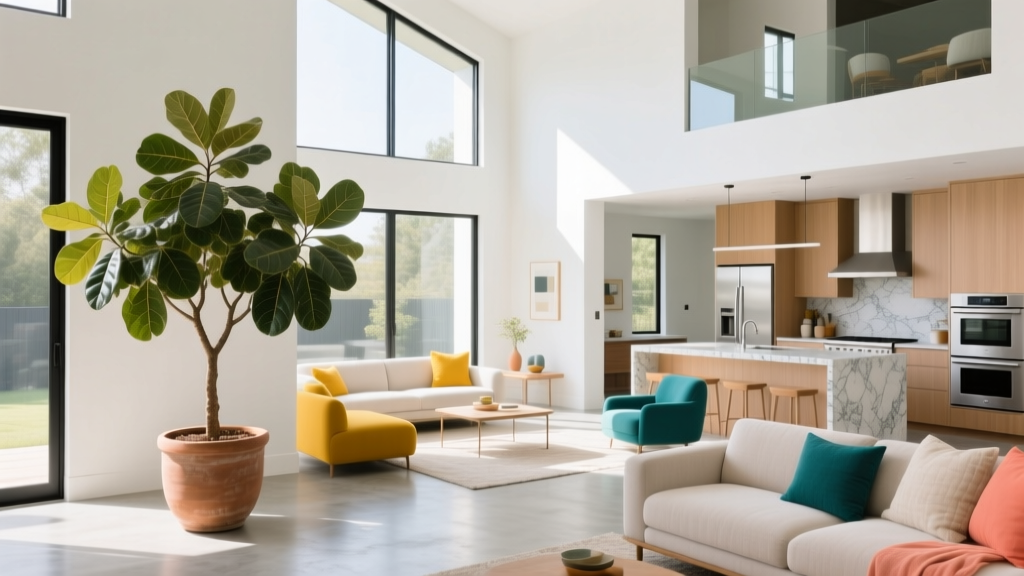 Universal Design: Accessible Rooms Without Clinical Look